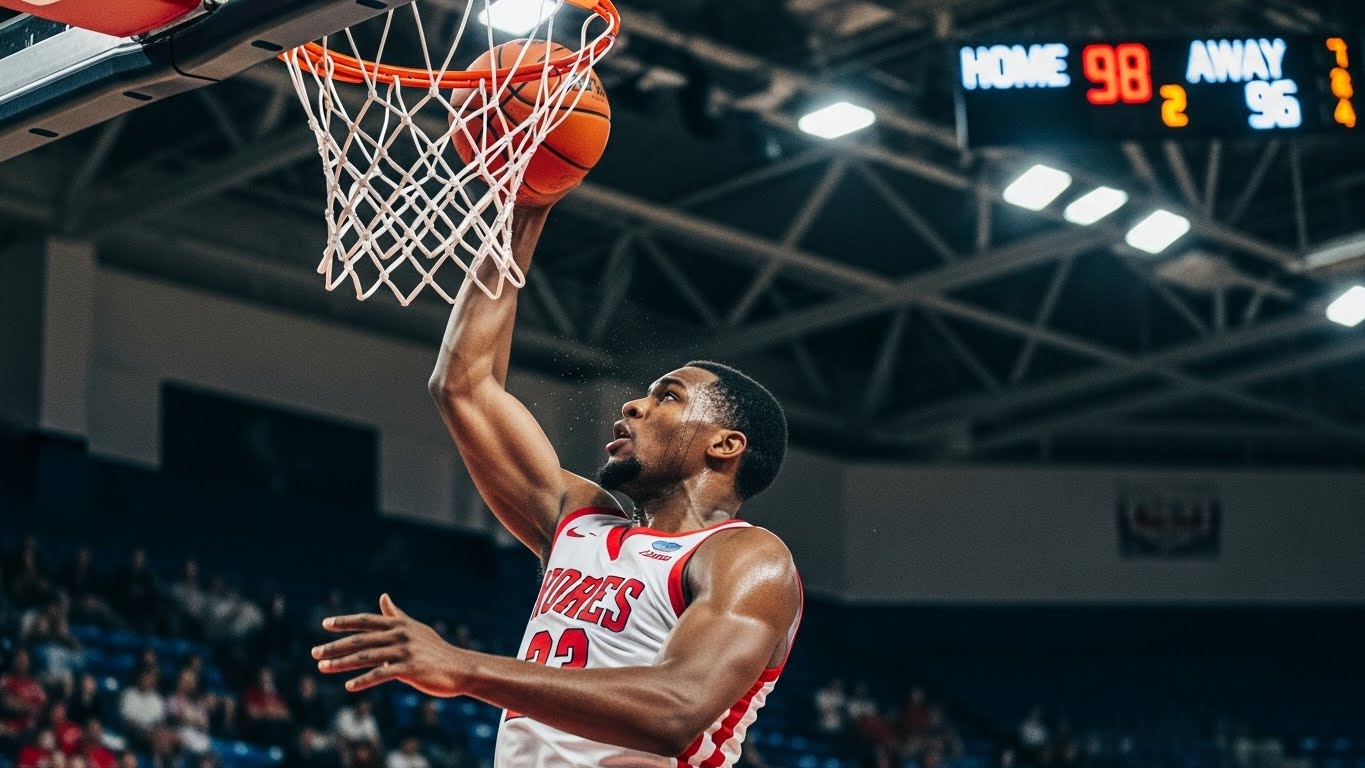

Sports are an integral part of human culture, woven into the fabric of societies across the globe. From the exhilarating rush of a last-minute goal to the silent focus of an athlete preparing for a high-stakes competition, sports capture the imagination of millions. But beyond the surface-level entertainment, there’s much more to sports than meets the eye. In this blog post, we will explore why sports matter, how they impact individuals and communities, and why they continue to hold such a unique place in our hearts.
The Universal Language of Sports
One of the most remarkable things about sports is their ability to unite people from all walks of life. No matter your nationality, language, or background, sports offer a universal platform for connection. Whether it’s a local soccer match in a park, a high-stakes tennis final, or a global event like the Olympics, sports transcend borders and differences. The excitement, tension, and jubilation felt during games create bonds that surpass cultural divides. Sports provide a common language that unites fans, athletes, and communities alike.
The Psychological Benefits of Playing Sports
Engaging in sports isn’t just a physical workout—it’s also a mental one. The benefits of regular physical activity are well-documented, but the psychological impact of playing sports is equally significant. Sports provide an opportunity to set goals, develop discipline, and build resilience. They also help reduce stress and improve mental well-being. For many people, sports serve as a form of therapy, offering an escape from everyday challenges and a way to reconnect with themselves.
Moreover, playing sports encourages teamwork, communication, and leadership skills. Whether you’re part of a soccer team, a basketball squad, or a marathon running group, these experiences teach valuable life skills that extend far beyond the playing field.
How Sports Influence Society
Sports can also be a powerful agent of social change. Historically, athletes have used their platform to speak out on issues such as racial inequality, gender equality, and human rights. Icons like Muhammad Ali, Billie Jean King, and Jackie Robinson transcended their respective sports to become symbols of change and inspiration. Through their courage, they not only influenced the way people think about sports but also shaped larger societal conversations.
In addition, sports often serve as a source of community pride. Local teams are more than just athletes; they are seen as representatives of the community’s identity. Whether it’s a high school football team or a professional soccer club, these teams unite people who might not otherwise interact and give them a shared sense of purpose and pride.
The Economic Power of Sports
Sports have a massive economic impact on countries and regions. The global sports industry is a multi-billion-dollar enterprise, encompassing everything from ticket sales and merchandise to broadcasting rights and sponsorship deals. Major events like the FIFA World Cup, the Super Bowl, or the Olympics generate immense revenue and create jobs. Local economies also benefit, as cities and towns host games and tournaments, attracting tourism and business.
The economic benefits of sports are not limited to just the professional level. Community-based programs, local leagues, and sports clubs also contribute significantly to local economies, driving both direct and indirect revenue.
The Role of Sports in Building Character
Sports offer an excellent platform for character development. They teach values like perseverance, sportsmanship, respect, and humility. Through competition, athletes learn to deal with victory and defeat, to respect their opponents, and to strive for improvement. The experience of pushing oneself to achieve personal bests fosters a growth mindset that can be applied to other aspects of life.
Even at the youth level, sports provide crucial opportunities for children to develop socially and emotionally. In team sports, children learn the importance of cooperation and working towards a common goal. Individual sports, on the other hand, teach self-reliance, focus, and accountability.
The Future of Sports: Embracing Technology and Inclusivity
As we look to the future, the world of sports is evolving rapidly, with technology playing an increasingly important role. From advanced training methods and performance analytics to virtual reality and e-sports, technology is changing the way athletes train, compete, and interact with fans.
At the same time, sports are becoming more inclusive, with greater emphasis on promoting gender equality and creating opportunities for athletes with disabilities. Female athletes are gaining recognition, and adaptive sports are providing pathways for athletes with various challenges to showcase their skills. This shift towards inclusivity is making sports accessible to a wider range of people and enriching the overall experience for everyone.
Conclusion
Sports are more than just games. They are a source of joy, a means of personal growth, and a powerful tool for social change. Whether played at the professional level or enjoyed as a hobby, sports continue to inspire millions of people around the world. They offer a unique blend of physical, mental, and social benefits that can enhance individual lives and build stronger communities. So, the next time you watch a game or lace up your shoes for a workout, remember that you’re participating in something much larger than just a sport—you’re engaging in a shared human experience that transcends time, place, and circumstance.