
Introduction: The Universal Language of Sports
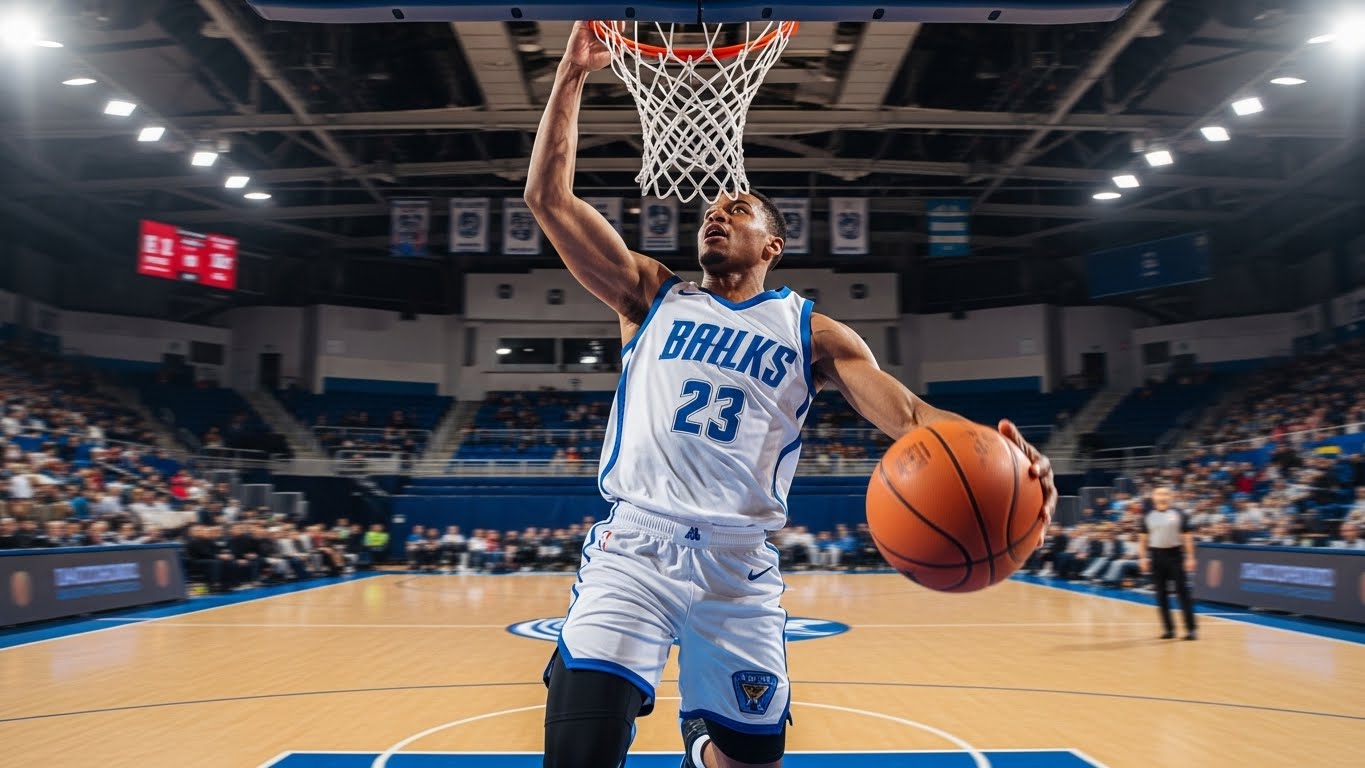
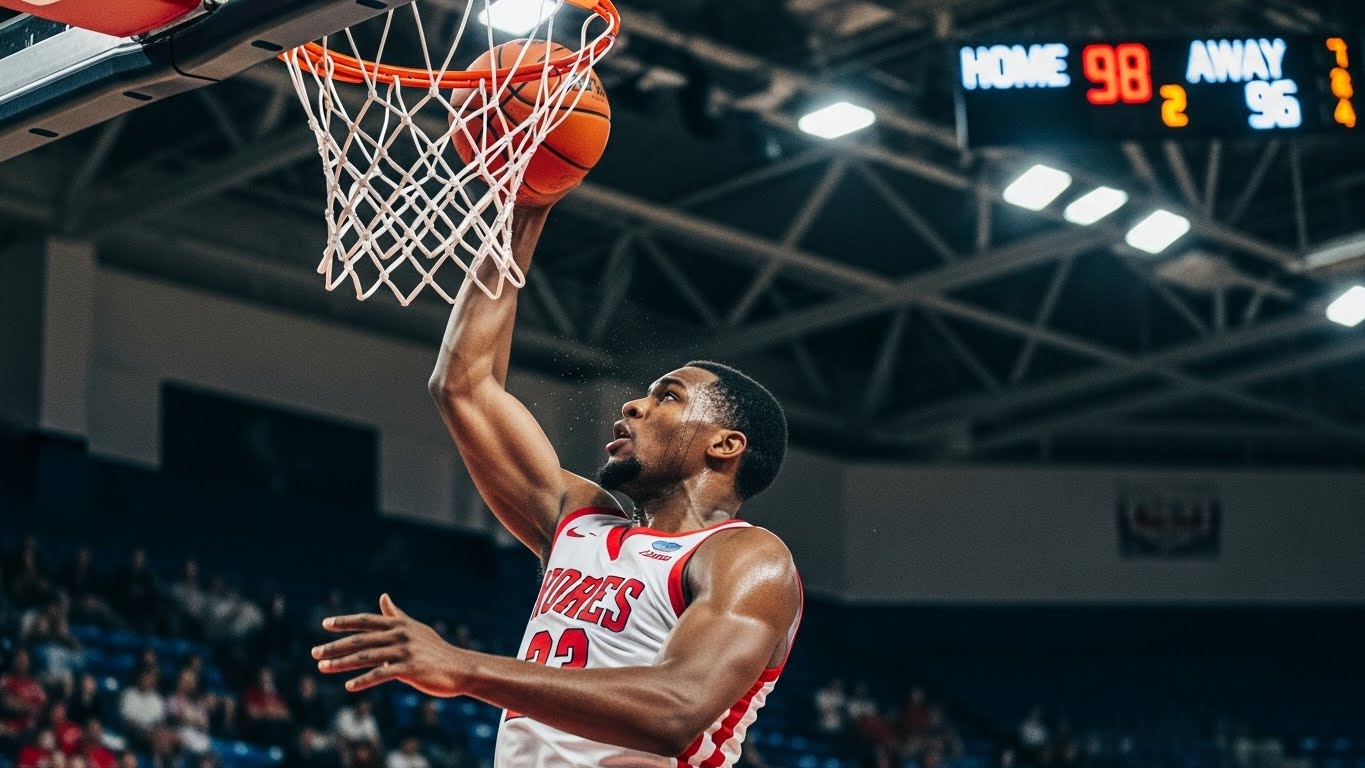
Sports have long been a defining aspect of human culture, acting as a powerful force that unites, inspires, and challenges us. Whether it’s the sound of a basketball bouncing on the court, the roar of a football stadium, or the quiet focus of an athlete crossing the finish line, sports transcend boundaries. They are more than just games; they are universal experiences that stir emotions, build communities, and shape individuals.
The Mental and Physical Benefits of Sports
Sports offer a unique blend of physical activity and mental stimulation. On the physical side, playing any sport helps to improve cardiovascular health, strength, and flexibility. It promotes better coordination, endurance, and overall fitness. Beyond the gym, regular participation in sports has proven to reduce the risk of chronic conditions such as obesity, diabetes, and heart disease.
However, the mental benefits are just as profound. Sports help build resilience, teach discipline, and develop focus. Athletes learn how to handle both failure and success with grace, building emotional intelligence in the process. Whether you’re running a marathon or competing in a tennis match, sports train the brain to stay calm under pressure and make decisions quickly—skills that translate to many areas of life.
Teamwork and Camaraderie: Building Stronger Bonds
One of the most profound aspects of sports, particularly team sports, is the camaraderie that develops among teammates. Playing together for a common goal fosters a sense of unity and belonging. It’s about learning to trust others and understanding that success is a collective effort. The bonds formed on the field or court often extend beyond the game itself, leading to lifelong friendships.
The importance of teamwork is a lesson that transcends sports. It teaches collaboration, communication, and the ability to compromise for the greater good. These skills are invaluable in both professional and personal life, making sports a training ground for success outside the arena.
The Global Impact of Sports: Uniting the World
While sports are often seen as a form of entertainment, their impact goes far beyond the playing field. Events like the FIFA World Cup, the Olympics, and the Super Bowl unite millions of people across the globe, providing a shared experience that transcends language, nationality, and culture. For a brief moment, people put aside their differences to cheer for their teams, creating an atmosphere of global unity and celebration.
In countries facing challenges like poverty or political unrest, sports can serve as a powerful escape, offering hope and purpose. For individuals in these regions, the opportunity to participate in sports often provides a sense of pride and accomplishment that is hard to find elsewhere. It’s a reminder that sports are not just a game—they are a force for positive change.
The Role of Sports in Youth Development
Youth sports play an integral role in shaping the next generation. Participation in organized sports during childhood helps children develop not only physical skills but also life skills. Learning how to work with others, manage time, and deal with setbacks are all key components of sports participation. These early experiences lay the foundation for a healthy, successful life.
Furthermore, sports can keep children engaged and active, offering an alternative to sedentary activities like watching TV or playing video games. In a world where childhood obesity rates are rising, sports provide an effective way to encourage a more active lifestyle.
The Influence of Sports Icons: Heroes and Role Models
From Michael Jordan to Serena Williams, sports icons serve as symbols of excellence, perseverance, and passion. These athletes become more than just players—they become heroes. Their achievements inspire millions of fans, particularly young people, to strive for greatness in their own lives.
While the pressure on athletes to perform at the highest level is immense, many use their platform to give back to society. Whether through charity work, advocating for social justice, or simply serving as a positive role model, these athletes shape the world beyond their sport. They show that success isn’t just measured in trophies and accolades but also in the impact one has on the lives of others.
Conclusion: Sports as a Way of Life
Sports are not just about competition—they are about connection, growth, and transformation. From the benefits of physical activity to the powerful life lessons learned along the way, sports offer a holistic experience that shapes individuals and communities alike. They bring people together, foster teamwork, and inspire generations to push their limits.
Whether you’re an athlete or a spectator, sports have something for everyone. In a world that can sometimes feel divided, sports remain a universal language that unites us all. The power of sports lies not just in the game itself but in the way it touches hearts and changes lives.