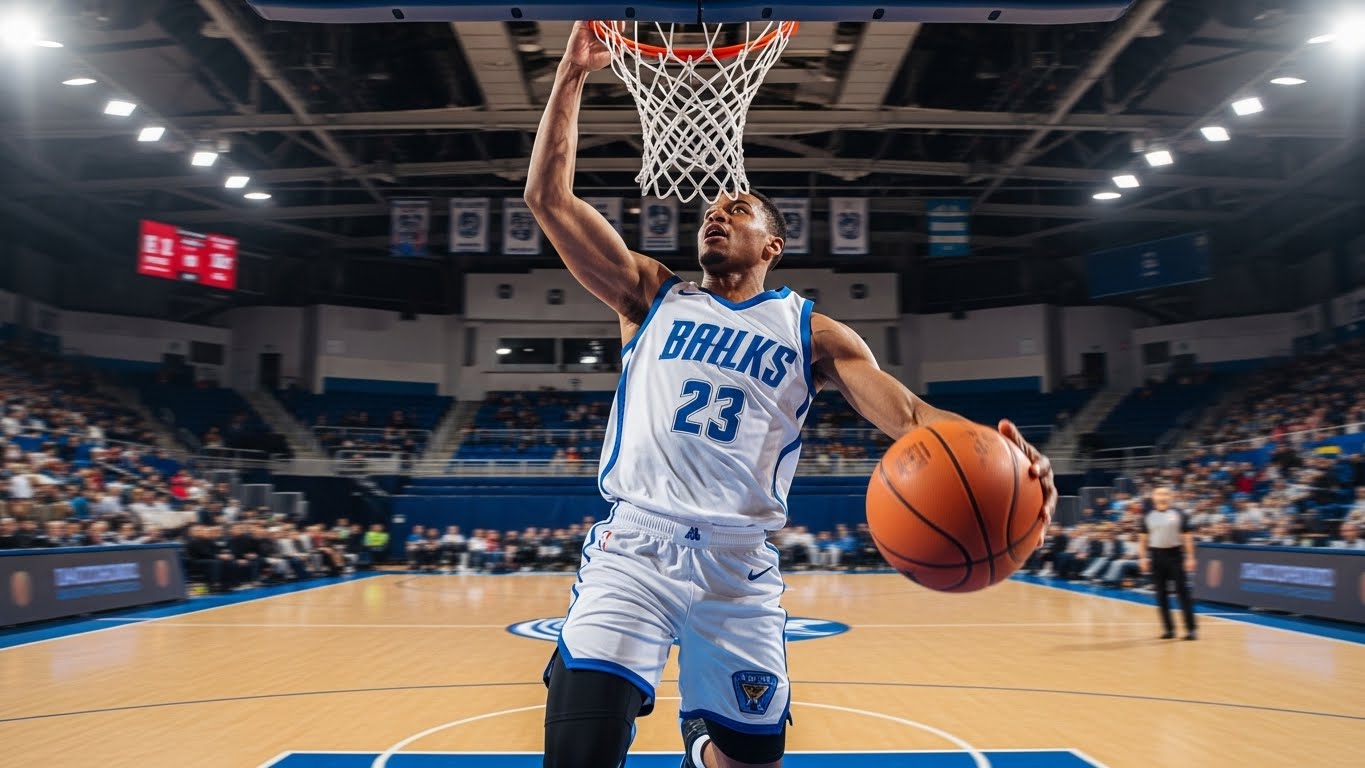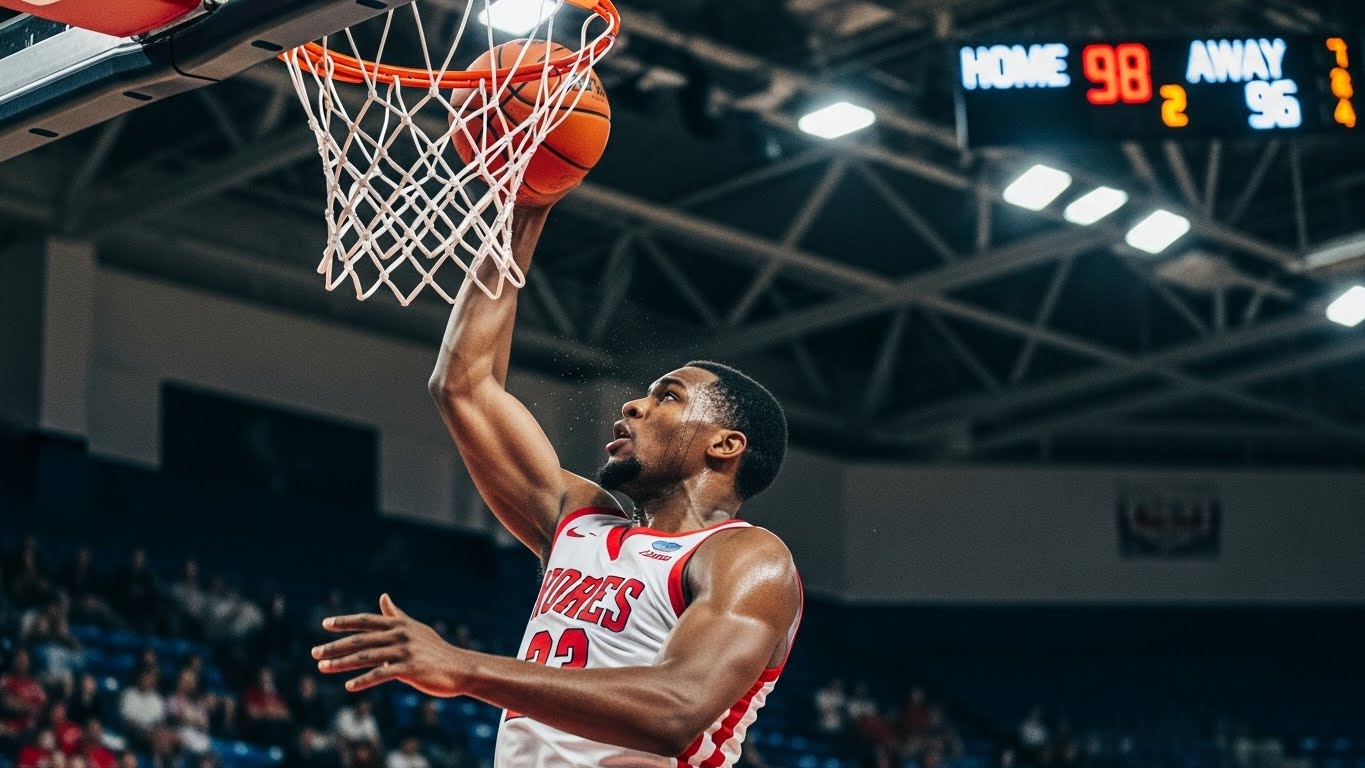
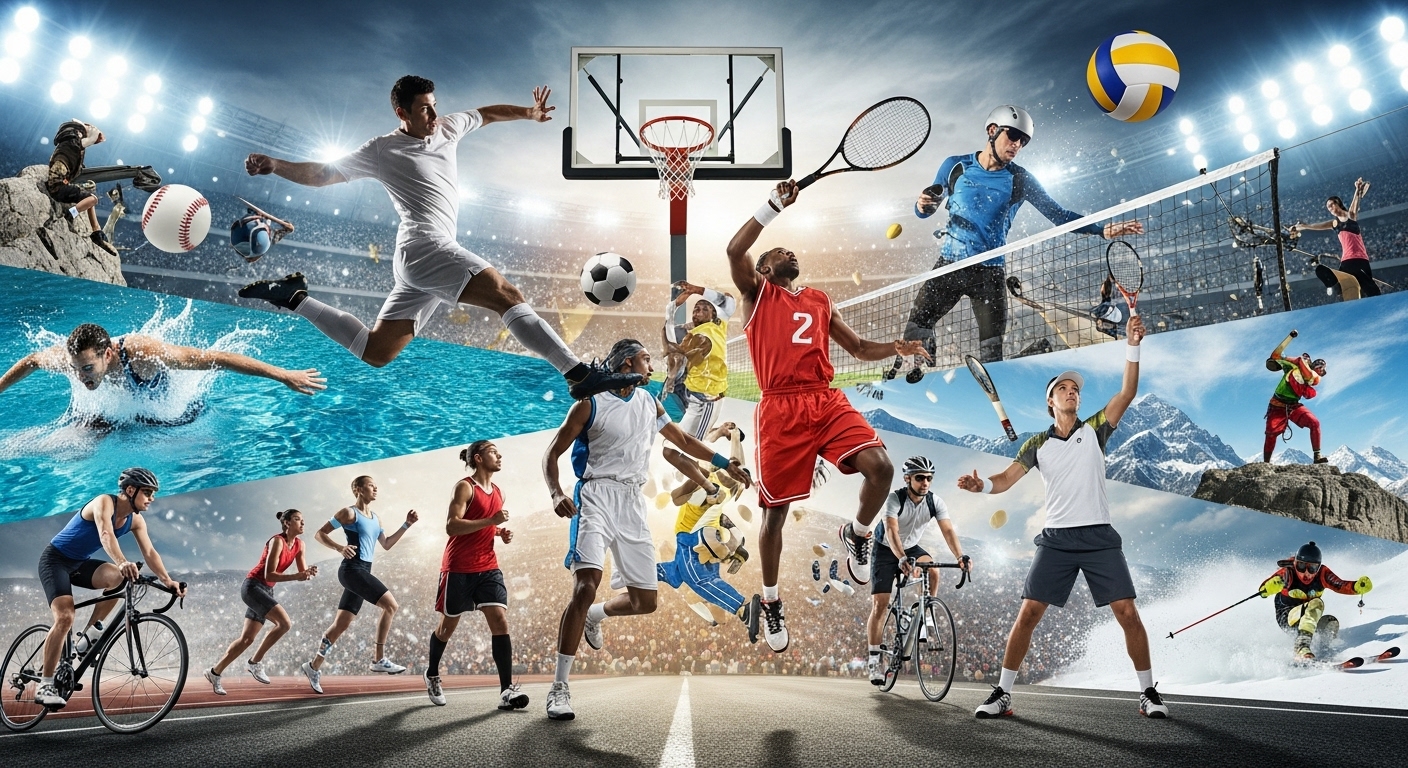
Sports have an intrinsic power to connect people, test limits, and showcase the beauty of human effort and teamwork. From the local playground to the grand stadiums hosting international tournaments, sports transcend simple entertainment. They are a reflection of determination, passion, and perseverance, offering life lessons that resonate beyond the game. In this blog post, we explore the core elements of sports and how they shape our lives in more ways than we often realize.
The Unifying Power of Sports
One of the most remarkable qualities of sports is its ability to unite people. No matter where you’re from, sports speak a universal language of competition, emotion, and achievement. Whether it’s a local football match in a small town or the Super Bowl bringing together millions globally, the excitement and camaraderie sports foster are unmatched.
Sports transcend cultural and linguistic barriers, creating a shared experience that can bridge divides. Fans in different corners of the world can cheer, celebrate, and even mourn together as their teams triumph or fall short. In times of international conflict or tension, sports events have historically provided a peaceful platform for global unity. For many, supporting a team or athlete becomes a source of pride and belonging, connecting individuals to something larger than themselves.
The Physical and Mental Health Benefits of Playing Sports
Participating in sports is often associated with physical fitness, but its mental health benefits are equally significant. Engaging in regular physical activity improves cardiovascular health, strengthens muscles, and boosts stamina. But it goes beyond just building a strong body.
On the mental side, sports act as a powerful stress reliever. The focus and energy required in sports can clear your mind, helping you forget about the everyday challenges and frustrations. It’s a natural way to boost your mood, with endorphins flooding the body to create that post-workout high. For many, playing sports also acts as a form of therapy, providing an outlet for emotional expression and offering a sense of purpose.
Furthermore, the discipline required in sports teaches valuable life skills. Training schedules, team coordination, and goal-setting are all part of the process, instilling habits that carry over into other areas of life. The perseverance needed to push through physical and mental barriers in sport can translate into resilience in the face of personal or professional challenges.
Sports and Character Building
Beyond physical health, sports serve as a powerful tool for building character. For young athletes, the lessons learned through sport are invaluable. Sports teach discipline—whether it’s waking up for early morning practice or following a coach’s instructions. They promote respect, not only for teammates but also for opponents, referees, and the rules of the game.
The competitive nature of sports also fosters a mindset of resilience. Athletes often face setbacks, from injuries to losses, yet the ability to bounce back, adjust, and improve is central to success. This resilience teaches the valuable lesson that failure is not the end, but a step toward growth and improvement. Every athlete knows that victory doesn’t come without struggle, and overcoming challenges is part of what makes the triumph so sweet.
Teamwork: The Heart of Every Game
While individual talent can shine in sports, teamwork is at the heart of every successful game. Whether in a team sport like soccer or basketball, or in individual sports that rely on coordination (such as relay races), working together is essential for achieving a common goal. The importance of trust, communication, and collaboration cannot be overstated.
In team sports, athletes learn to support one another, share in both the successes and the failures, and understand that everyone has a unique role to play. Effective teamwork requires selflessness, as individual glory takes a backseat to the collective achievement. The friendships and bonds that are forged through teamwork often last a lifetime, providing not only athletic growth but also personal development.
The Role of Sports in Social and Cultural Development
Sports have the power to shape societies in ways that go beyond individual achievement. From a cultural perspective, sports can be a means of expressing identity, tradition, and values. Whether it’s the pride in representing one’s country at the Olympics or the cultural significance of local games, sports help define the social fabric of communities.
On a social level, sports provide a platform for inclusivity. In many parts of the world, sports have been used to break down barriers of race, class, and gender. Iconic moments in sports history have demonstrated how an athlete’s success can challenge societal norms and create opportunities for marginalized groups. The integration of women’s sports into mainstream athletics, the rise of multicultural teams, and the representation of diverse athletes in international competitions all point to the power of sports as an agent of social change.
The Emotional Rollercoaster of Watching Sports
Even if you’re not playing, sports have an incredible way of stirring emotions. As fans, we invest in teams and athletes, living through their highs and lows, victories, and defeats. The emotional connection to a game can be overwhelming, as we cheer for our teams, feel the rush of excitement during key moments, and sometimes, share in the heartbreak of a loss.
Watching sports taps into our primal instincts: the joy of victory, the agony of defeat, and the hope for redemption. It connects us to other fans, to our communities, and even to our own personal memories of competition and success. The drama and unpredictability of a game mean that anything can happen, keeping fans on the edge of their seats until the final whistle. These moments of collective experience remind us of the sheer joy of being human.
Sports as a Path to Personal Growth
Finally, sports offer a unique pathway for personal growth and self-discovery. Whether you’re a child picking up a ball for the first time or an adult pursuing a lifelong passion, sports provide countless opportunities to learn about yourself. They teach patience, self-discipline, and the ability to handle criticism and praise with equal grace. They also provide a space to overcome self-doubt and push your physical and mental limits.
Through sports, many discover their hidden talents, develop leadership qualities, and gain confidence. Athletes often speak of the transformative power of sports, both on the field and in life. The lessons learned in sports—the importance of hard work, the value of sacrifice, the joy of achievement—can stay with you long after the final whistle blows.
Conclusion: The Enduring Impact of Sports
Sports are far more than just a game. They are a microcosm of life, offering lessons in perseverance, teamwork, and emotional resilience. From the thrill of competition to the lessons learned in defeat, sports shape us as individuals and as a society. Whether you’re playing, coaching, or simply watching from the stands, the impact of sports reaches far beyond the final score. The next time you watch a match or participate in a game, remember that you’re part of something bigger—a global community united by the love of the game.