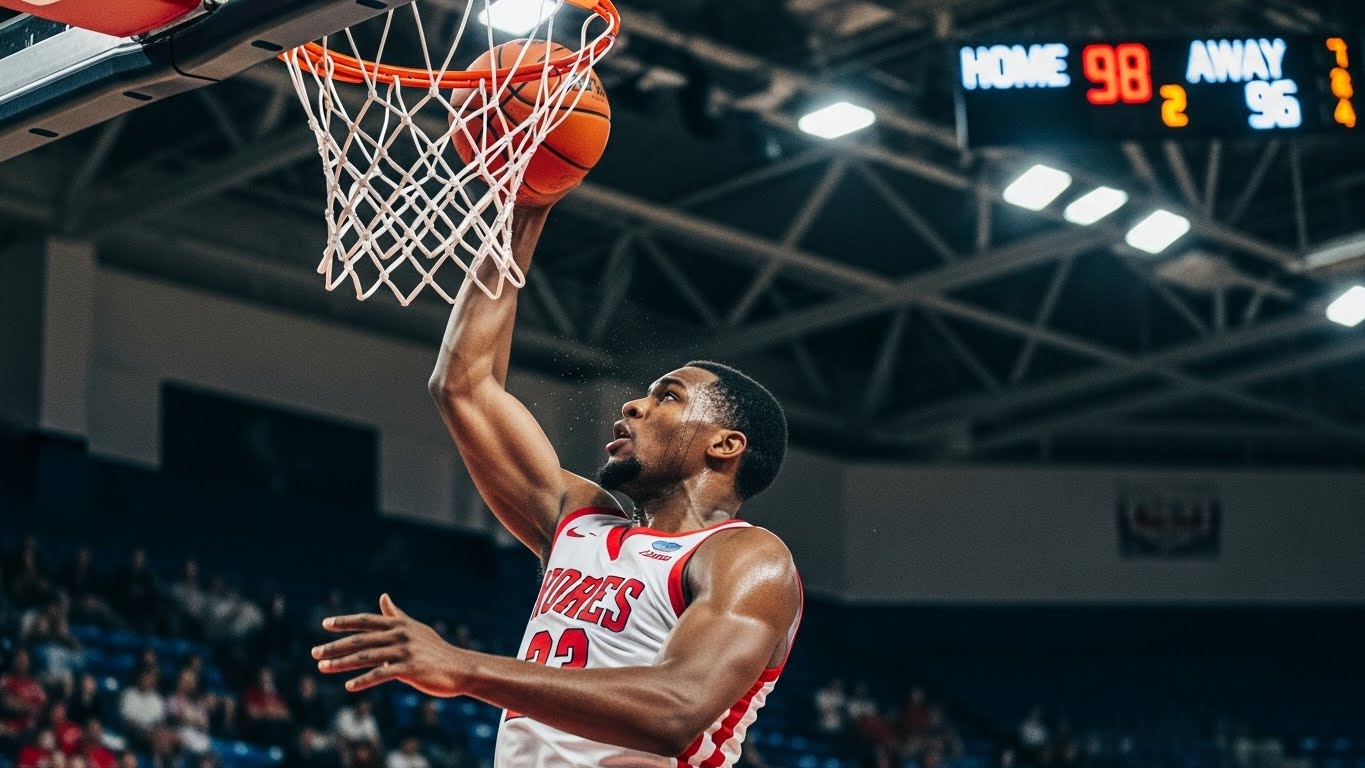

Sports play a pivotal role in human society, transcending geographical boundaries, cultures, and social classes. They are much more than just a means of entertainment or physical activity; sports embody a powerful force that shapes our lives in countless ways. Whether on a professional or recreational level, sports have the ability to improve physical health, enhance mental well-being, foster community unity, and even contribute to economic development. In this blog post, we will explore the multifaceted impact of sports in today’s world. From their history and global appeal to their role in personal growth and social issues, sports have an undeniable influence on society.
The History of Sports: From Ancient Traditions to Modern-Day Phenomena
The origins of sports can be traced back to ancient civilizations, where physical activities were not only used as a form of entertainment but also for training, religious rituals, and social bonding. The ancient Greeks, who are often credited with formalizing organized sports, introduced the Olympic Games in 776 BCE. These games, held in honor of the Greek gods, became a major cultural and religious event, and it was here that the foundations of modern sports were laid.
As time progressed, various cultures around the world developed their own unique sporting traditions. The ancient Romans, for instance, were known for their gladiatorial combat and chariot races, which were staged as public spectacles. In medieval Europe, knights and nobility participated in jousting tournaments, while the masses enjoyed folk games and competitions. The popularity of these early sports laid the groundwork for the modern sports we enjoy today.
The 19th century marked a significant turning point in the development of sports, with the Industrial Revolution and the rise of organized society creating the conditions necessary for the formalization of sports. In 1863, the Football Association was founded in England, leading to the codification of the modern rules of soccer, which would go on to become the most popular sport in the world. Other sports like rugby, cricket, and tennis also gained widespread popularity during this period. As modern sports began to develop, the creation of professional leagues, such as Major League Baseball in the United States and the National Football League (NFL), further elevated the significance of sports in the global culture.
The 20th century saw the rise of sports as a global industry, with professional leagues, tournaments, and international competitions becoming major events. The establishment of the modern Olympic Games in 1896 played a central role in promoting global unity through sport, and today, events like the FIFA World Cup, the Summer and Winter Olympics, and the UEFA Champions League attract millions of viewers worldwide. Sports continue to evolve, incorporating new technologies, expanding their global reach, and creating new opportunities for athletes and fans alike.
The Physical and Mental Benefits of Sports
Sports are undoubtedly one of the most effective ways to maintain and improve physical health. Regular participation in physical activities strengthens the heart, muscles, and bones, reduces the risk of chronic illnesses such as diabetes and hypertension, and helps in weight management. Whether it’s running, swimming, playing basketball, or lifting weights, engaging in sports boosts cardiovascular health, improves flexibility, and increases endurance.
Physical activity also stimulates the release of endorphins, the body’s natural “feel-good” hormones, which help alleviate stress, anxiety, and depression. For many individuals, sports serve as an outlet for emotional release, offering a break from the pressures of everyday life. Whether it’s through the act of playing a sport or simply watching a game, sports provide an opportunity to disconnect from personal struggles and focus on the present moment.
Participating in sports also has significant cognitive and psychological benefits. When you engage in a sport, your brain is actively involved in processing strategies, making quick decisions, and responding to the ever-changing dynamics of the game. This helps improve concentration, focus, and decision-making abilities. Many athletes report enhanced mental clarity and cognitive function as a result of regular physical activity.
Moreover, sports are essential in building resilience and mental toughness. Athletes learn how to deal with setbacks, handle pressure, and maintain a positive mindset even in the face of failure. This ability to persevere through challenges is a life skill that extends far beyond the playing field.
For children and young adults, sports play an even more critical role in mental and emotional development. Participation in sports helps build self-esteem, instills discipline, and teaches valuable social skills. Youth sports provide an avenue for young people to develop leadership qualities, teamwork, and communication skills, which are crucial for success in adulthood.
Sports as a Unifying Force: Building Communities and Fostering Global Connections
One of the most powerful aspects of sports is their ability to unite people. In a world often divided by politics, religion, and cultural differences, sports offer a common ground where individuals from all backgrounds can come together and bond over their shared love for a game. Whether it’s a local youth soccer match or a global event like the World Cup, sports have the unique ability to foster camaraderie and create a sense of belonging.
At the community level, sports help bring individuals together, whether they are playing in a neighborhood league or cheering for a local team. Community sports promote socialization, reduce isolation, and create opportunities for people to connect with others who share similar interests. They also provide a platform for youth to develop friendships, learn teamwork, and gain a sense of achievement.
On a larger scale, international sporting events like the FIFA World Cup and the Olympics serve as a powerful force for global unity. Countries from around the world gather to compete, and in doing so, they celebrate diversity and shared values. These events transcend political boundaries, offering a platform for nations to come together in friendly competition, free from the usual conflicts that dominate international relations. The opening ceremonies of the Olympics, with their stunning displays of culture and unity, highlight the power of sport in fostering a sense of global solidarity.
The ability of sports to create bonds between people is not limited to athletes alone. Fans of teams and players often develop deep emotional connections, and these connections foster a sense of belonging within a community. A local fan base that rallies behind a team becomes more than just a group of individuals; it becomes a family, a group of people united by their passion for a common cause.
The Economic Impact of Sports: A Multibillion-Dollar Industry
Sports are not just a means of entertainment or personal well-being—they are a significant economic driver. The global sports industry generates billions of dollars every year, from ticket sales and sponsorship deals to merchandise and media rights. Professional sports leagues like the NFL, NBA, and English Premier League generate enormous revenue through television contracts, sponsorships, and product endorsements. These leagues and their athletes contribute to local economies, creating jobs and generating tax revenue.
The economic impact of sports extends far beyond the professional level. Local sports events, youth leagues, and amateur competitions also contribute significantly to the economy by driving tourism, generating income for local businesses, and creating employment opportunities. Major sporting events like the Olympics, the World Cup, and the Super Bowl provide substantial boosts to the economies of the cities that host them. For instance, the 2016 Summer Olympics in Rio de Janeiro generated an estimated $2.1 billion in revenue, despite the high costs of hosting the games.
Sports also have a profound influence on the broader economy. Many industries, including hospitality, transportation, media, and technology, rely on sports for revenue. Broadcasting rights and media coverage of sporting events, for example, are a lucrative business, with television networks and streaming platforms paying millions of dollars for the privilege of airing top-tier sports events. The advent of digital platforms has further expanded the reach of sports, offering new revenue streams through streaming services and digital content.
Sports and Social Issues: Advocacy for Change
Sports have long been a platform for social change. Athletes and sports organizations have used their positions of influence to speak out on critical social issues, from racial inequality to gender discrimination. The intersection of sports and activism has provided an opportunity for individuals to challenge the status quo and call attention to important issues that might otherwise go overlooked.
One of the most prominent examples of this is the role of athletes in the civil rights movement. In the 1960s, figures like Muhammad Ali and Jackie Robinson used their athletic platforms to protest racial injustice. Ali famously refused to serve in the Vietnam War, citing his opposition to racial inequality, and Robinson broke the color barrier in Major League Baseball, becoming the first African American player in the league. Their actions were not without controversy, but they helped inspire a generation of athletes to use their voices for social change.
In more recent times, athletes have continued to use their platforms to address issues such as police brutality, income inequality, and women’s rights. The protest by NFL player Colin Kaepernick, who kneeled during the national anthem to protest police violence against African Americans, sparked a nationwide conversation about racial inequality in the U.S. The movement led by Kaepernick, along with other athletes, has highlighted the power of sports to influence public discourse and foster change.
Women’s sports, too, have become an essential avenue for advocating gender equality. Female athletes like Serena Williams, Megan Rapinoe, and Simone Biles have spoken out about the need for equal pay, better representation, and opportunities for women in sports. Their advocacy has led to increased visibility and recognition of women’s achievements, both on and off the field.
The Future of Sports: Technology, Inclusion, and Innovation
The future of sports is undoubtedly tied to the advancement of technology and the increasing demand for inclusivity. New technologies, such as virtual reality (VR), augmented reality (AR), and artificial intelligence (AI), are already transforming the way we experience sports. VR and AR are enhancing the fan experience, allowing viewers to engage with sports in immersive and interactive ways. AI is revolutionizing how athletes train, helping them to optimize their performance through real-time data analysis and injury prevention techniques.
Esports, the competitive world of video gaming, is also rapidly growing in popularity. What began as a niche activity has now become a billion-dollar industry with professional tournaments, global leagues, and sponsorship deals. Esports is not only attracting millions of fans worldwide but also creating new opportunities for players, coaches, and organizers.
Furthermore, the push for greater inclusivity in sports will continue to shape their future. Efforts to support athletes with disabilities, promote gender equality, and ensure equal opportunities for all will drive the evolution of the sports landscape. Organizations like the Special Olympics and initiatives supporting LGBTQ+ athletes are helping to break down barriers and make sports more accessible to everyone, regardless of their background or identity.
Conclusion: The Everlasting Impact of Sports
Sports have an enduring power to shape our physical health, mental well-being, social relationships, and economies. From their historical roots to their modern-day impact, sports continue to inspire, unify, and drive change in society. They offer more than just a source of entertainment; they represent the collective spirit of humanity, reminding us of our shared passions and goals. Whether we are athletes, fans, or casual participants, sports have an undeniable influence on our lives and will continue to do so for generations to come.