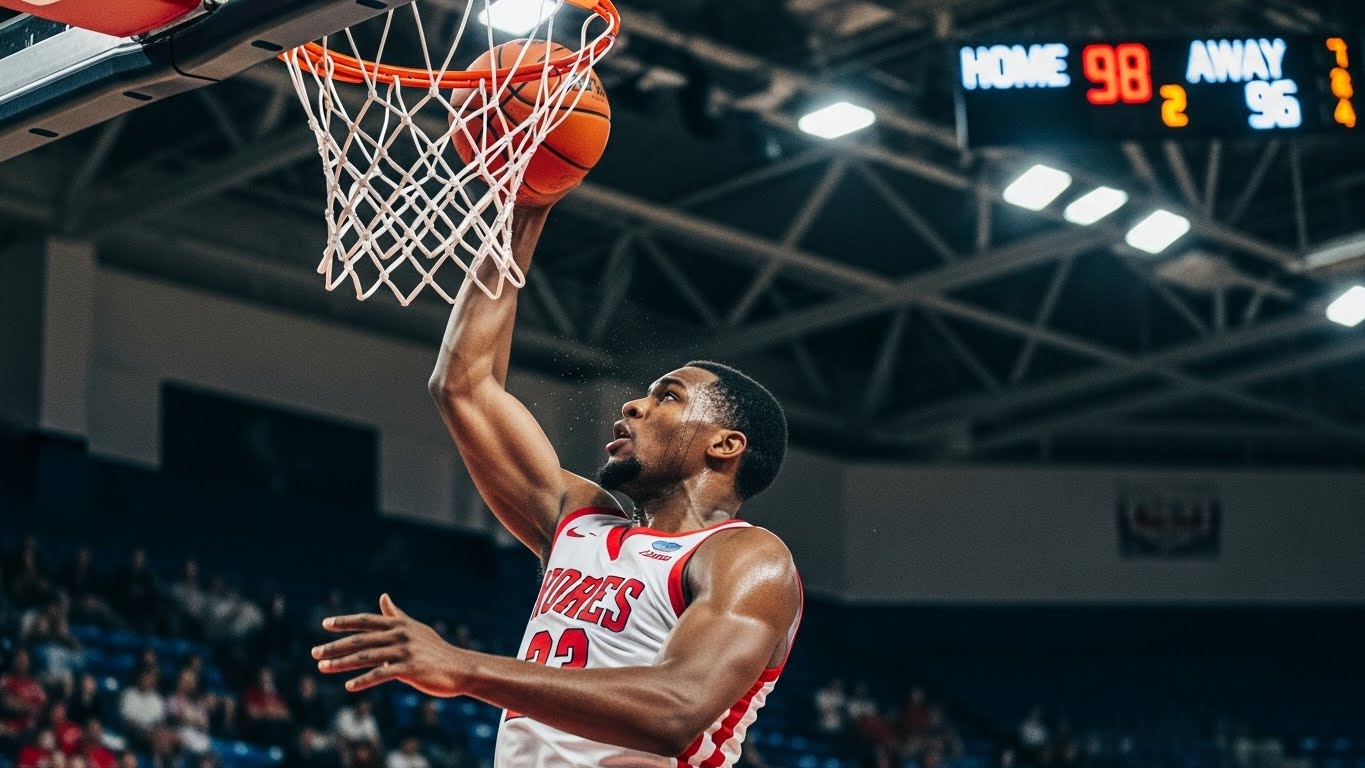
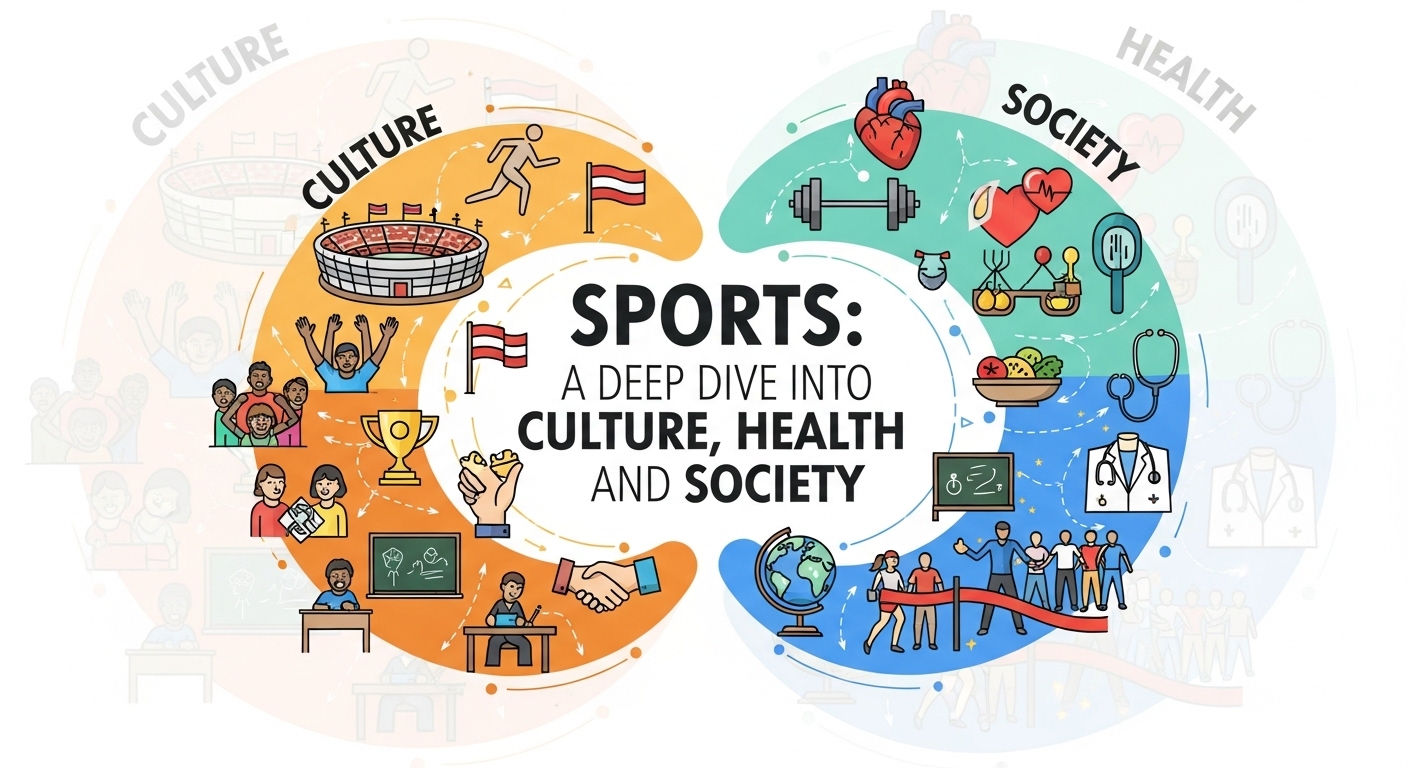
Sports have been an integral part of human civilization for thousands of years. From the earliest forms of athletic contests in ancient civilizations to the modern-day professional leagues and international tournaments, sports have transcended the boundaries of culture, geography, and language. They are more than just games; they are a reflection of society, a testament to human endurance, and a source of joy, unity, and inspiration. This blog explores the multifaceted world of sports, its history, types, impact on society, and why it continues to captivate people worldwide.
The Historical Significance of Sports
Sports have existed since ancient times, playing a crucial role in cultural, social, and religious life. The earliest evidence of organized sports comes from ancient civilizations like Egypt, Mesopotamia, and Greece. In Egypt, tomb paintings depicted activities such as swimming, wrestling, and archery. The ancient Greeks institutionalized sports through events like the Olympic Games, which began in 776 BC. These games were not just competitions but also religious festivals honoring the gods. Similarly, other ancient civilizations, including the Romans, Chinese, and Mayans, also integrated sports into daily life for both entertainment and physical conditioning.
The evolution of sports throughout history shows how deeply ingrained they are in human society. From medieval jousting tournaments to the emergence of modern football, cricket, and athletics, sports have constantly evolved, reflecting changes in culture, technology, and society.
Why Sports Are Important
Sports are not just about physical activity; they play a vital role in personal development, mental health, and social cohesion. Participation in sports teaches essential life skills such as teamwork, discipline, leadership, and resilience. Athletes learn to set goals, overcome challenges, and push their limits, lessons that translate into every aspect of life.
Physically, sports promote a healthy lifestyle by improving cardiovascular health, strength, flexibility, and endurance. Mental benefits are equally significant. Engaging in sports reduces stress, anxiety, and depression, while enhancing focus, self-esteem, and overall cognitive function.
From a societal perspective, sports unite communities. Stadiums filled with fans cheering for their teams demonstrate the power of shared passion. International events like the Olympics or the FIFA World Cup bring nations together, fostering understanding, tolerance, and camaraderie.
Categories of Sports
Sports can be categorized in several ways, primarily based on the nature of activity, environment, or rules. Here are the main categories:
1. Team Sports
Team sports involve groups of players working together to achieve a common goal. They emphasize coordination, strategy, and cooperation. Popular examples include football, basketball, volleyball, cricket, and hockey. Team sports teach the value of collaboration and communication, making them highly effective for building social skills and a sense of belonging.
2. Individual Sports
Individual sports focus on personal performance and achievement. Athletes compete against themselves or others, relying heavily on self-discipline and motivation. Examples include tennis, boxing, gymnastics, swimming, and athletics. Individual sports highlight personal growth and the pursuit of excellence, as success depends largely on one’s dedication and effort.
3. Adventure and Extreme Sports
Adventure and extreme sports challenge the limits of human courage and endurance. These include activities like rock climbing, surfing, skydiving, snowboarding, and paragliding. Extreme sports appeal to thrill-seekers and adrenaline enthusiasts, combining physical skill with mental toughness and risk management.
4. Indoor and Outdoor Sports
Sports can also be classified based on their environment. Indoor sports, such as badminton, table tennis, and squash, are played in controlled settings. Outdoor sports, including football, cricket, track and field events, and golf, are played in open spaces and often require adaptation to varying weather conditions. Each type offers unique challenges and experiences to participants.
5. Water and Aquatic Sports
Water sports take place in or on water and include swimming, diving, water polo, sailing, and surfing. These sports enhance cardiovascular fitness, muscle strength, and coordination. They also provide a refreshing alternative for athletes who prefer water-based activities over land-based ones.
The Role of Sports in Education
Sports play a crucial role in educational institutions. Schools and colleges encourage physical education as a core part of the curriculum. Participation in sports helps students develop discipline, time management, and social skills while promoting physical well-being. Inter-school and inter-college competitions foster a spirit of healthy competition and teamwork.
Moreover, sports can enhance academic performance. Studies have shown that students engaged in regular physical activity often perform better in studies due to improved concentration, memory, and stress management. Colleges often offer scholarships to talented athletes, enabling them to pursue both education and sports careers.
The Impact of Sports on Society
Sports have a profound impact on society, influencing culture, economy, and social cohesion.
1. Cultural Influence
Sports are a reflection of culture. Traditional games like sumo wrestling in Japan, kabaddi in India, and bullfighting in Spain showcase unique cultural identities. International sporting events expose people to different cultures, promoting diversity and cross-cultural understanding.
2. Economic Significance
The sports industry is a major contributor to the global economy. Professional leagues, sponsorship deals, merchandise sales, and broadcasting rights generate billions of dollars annually. Sports tourism, stadium construction, and sporting goods manufacturing also create employment opportunities and stimulate local economies.
3. Social Integration
Sports bring people together, breaking barriers of race, religion, and social status. Community events, local leagues, and international competitions foster unity and provide a platform for social interaction. Iconic athletes often become role models, inspiring millions and advocating social change.
4. Health and Well-Being
Sports promote public health by encouraging physical activity and a healthy lifestyle. Governments and organizations increasingly emphasize sports programs to combat obesity, mental health issues, and lifestyle-related diseases. Accessible sports facilities in communities empower people to take charge of their fitness and well-being.
The Influence of Sports in Media and Entertainment
Sports have a massive presence in media and entertainment. Televised matches, online streaming, and sports documentaries allow fans worldwide to follow their favorite teams and athletes. Social media has further amplified sports engagement, enabling real-time updates, discussions, and fan communities.
Sports movies, documentaries, and biopics also play a role in shaping public perception. They highlight the struggles, triumphs, and personal stories of athletes, inspiring viewers to pursue their passions with dedication and resilience.
Women in Sports
Historically, sports were dominated by men, but women’s participation has increased dramatically in recent decades. Female athletes now compete at the highest levels, earning recognition, sponsorships, and accolades. Icons like Serena Williams, Simone Biles, and Megan Rapinoe have become global role models. Promoting gender equality in sports not only empowers women but also enriches the diversity and inclusivity of the sporting world.
The Psychology of Sports
Sports psychology explores how mental factors influence athletic performance. Motivation, focus, confidence, and resilience are crucial for success. Athletes often use visualization, meditation, and goal-setting techniques to enhance performance. Team cohesion and leadership skills also play a significant role in achieving collective success. Understanding the psychological aspects of sports helps athletes overcome challenges, manage pressure, and maintain mental health.
Technology and Sports
Technology has transformed the way sports are played, analyzed, and experienced. Innovations like wearable fitness trackers, video-assisted refereeing, virtual reality training, and performance analytics have elevated the level of competition. Fans now enjoy immersive experiences through virtual stadium tours, live streaming, and interactive applications. Technology ensures fairness, enhances training efficiency, and enriches the overall sporting experience.
Popular Sports Around the World
Different regions have their favorite sports based on culture, climate, and tradition. Football (soccer) is the most popular sport globally, followed by cricket, basketball, tennis, and athletics. Other sports like rugby, baseball, ice hockey, and martial arts also enjoy significant followings in specific regions. The popularity of sports continues to evolve, influenced by global media, international competitions, and grassroots development programs.
Conclusion
Sports are far more than just games. They are a universal language that transcends cultural, social, and economic boundaries. They teach life skills, promote health, foster community, and inspire millions across the globe. From the roar of the crowd in a stadium to the quiet moments of personal achievement, sports touch every aspect of human life.
The world of sports is constantly evolving, embracing new disciplines, technologies, and talents. Its impact on society, culture, and individual development is immense and undeniable. Whether one is a professional athlete, a weekend player, or an enthusiastic fan, sports offer something for everyone—a chance to grow, compete, and celebrate the spirit of human achievement.
Sports are not merely games; they are a celebration of human potential, a canvas of discipline, teamwork, and perseverance. They remind us that no matter where we come from, the love for the game unites us all.