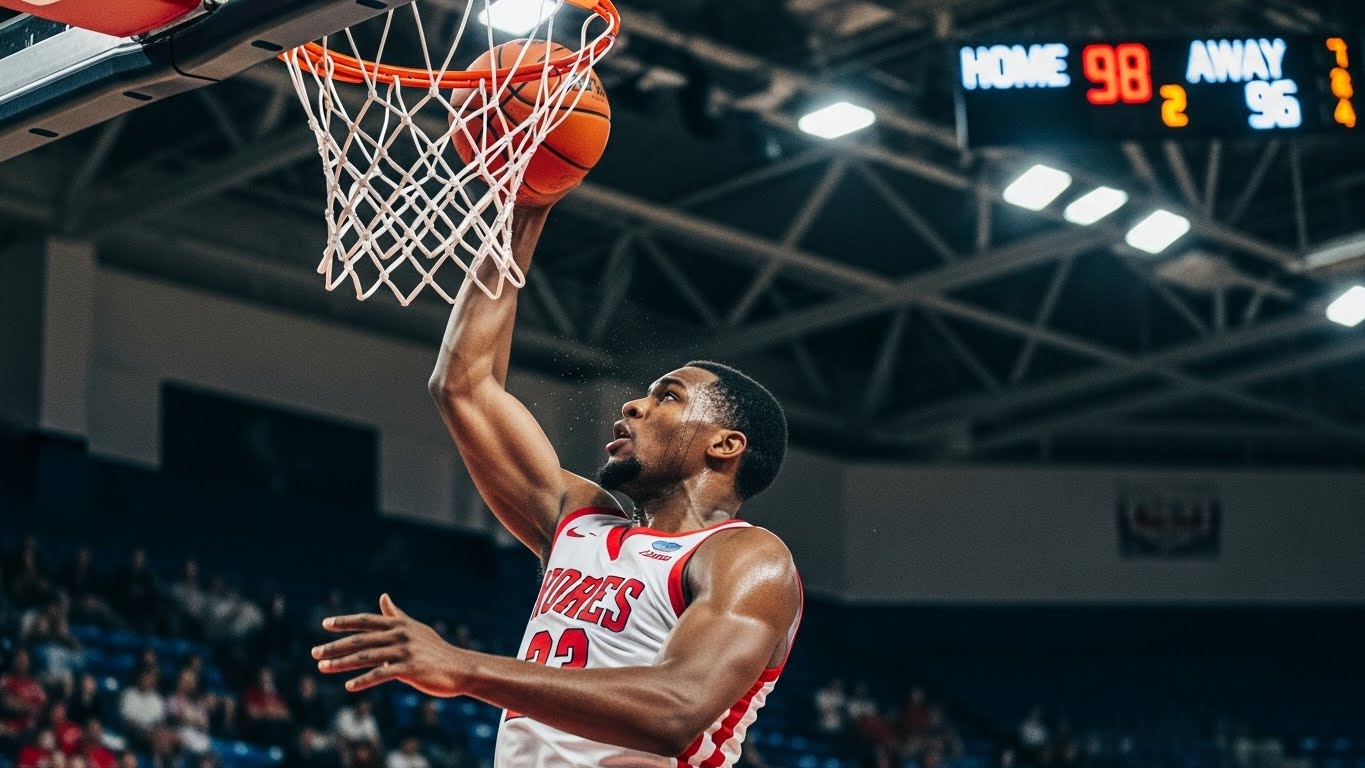
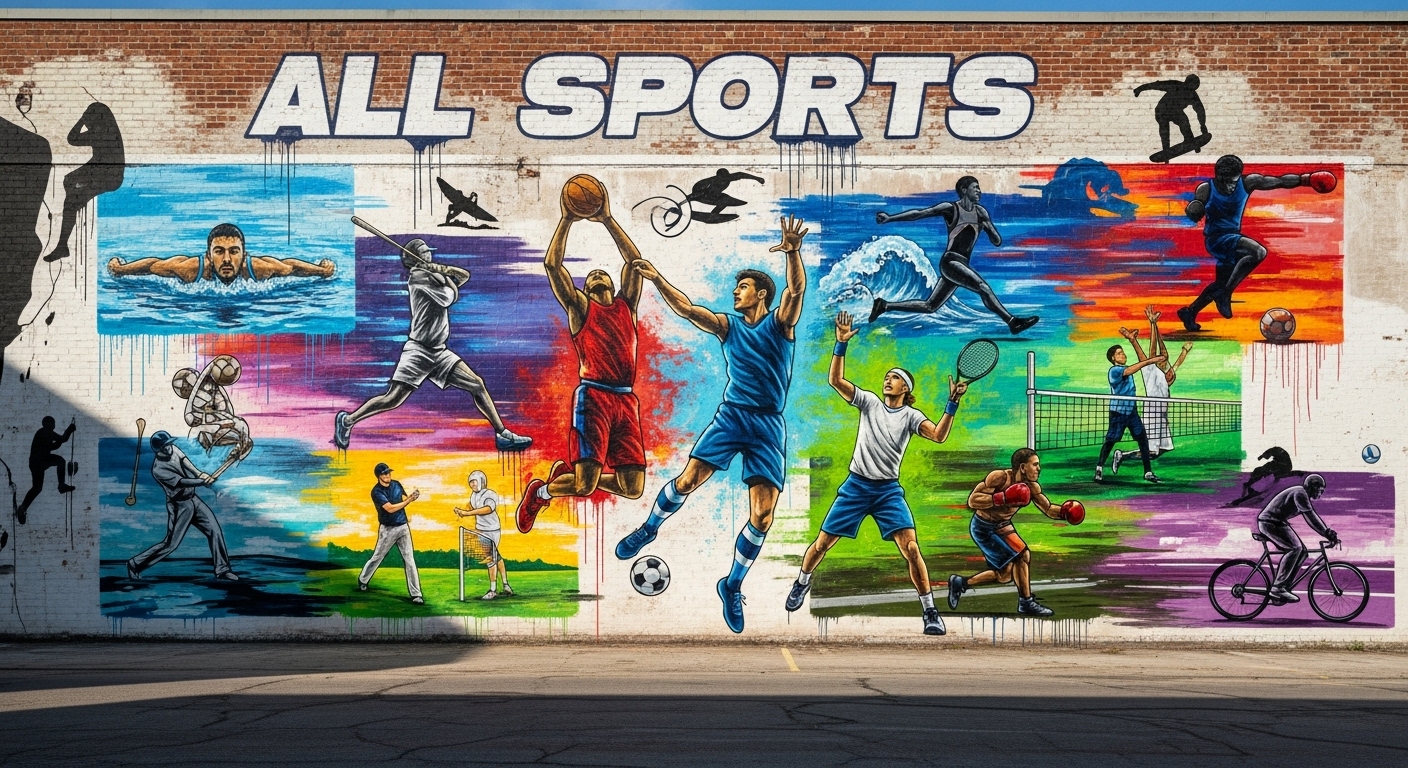
Sports have been an integral part of human culture for centuries. From ancient civilizations to modern-day society, sports have played a key role in shaping both individual lives and the broader community. Whether it’s professional athletes competing at the highest levels, children playing in local leagues, or communities coming together to watch a big game, sports have an undeniable impact. They not only promote physical health but also foster mental well-being, create social bonds, and contribute to economic growth. In this blog post, we will explore the multifaceted role that sports play in today’s world, including their history, benefits, societal impact, and the economic powerhouse they have become.
The Historical Evolution of Sports
The history of sports can be traced back to ancient civilizations, where physical activities were not only recreational but also essential for survival, military training, and religious rituals. In ancient Greece, the Olympic Games were born in 776 BCE as a way to honor the gods and celebrate human physical excellence. These early sports events were more than just competitions; they were deeply tied to cultural identity, and the Olympic Games continue to be one of the most iconic sporting events in the world today.
Across the globe, other civilizations also had their own forms of physical activities and competitions. The ancient Romans held gladiatorial contests, while the Chinese played games like cuju, an early form of football, as early as the Han Dynasty. In the Middle Ages, knights in Europe participated in jousting tournaments as a demonstration of their martial prowess, and games like soccer and rugby began to take shape in England during the 19th century.
With the advent of modern society and the rise of industrialization, sports became more organized and formalized. The late 19th and early 20th centuries saw the foundation of professional leagues for sports like football, baseball, and basketball. The establishment of the International Olympic Committee in 1896 helped pave the way for international competitions, and sports became increasingly accessible to people from all walks of life.
The Physical and Mental Benefits of Sports
Engaging in sports provides a wide array of physical benefits. Regular participation in physical activities like running, swimming, cycling, and team sports contributes significantly to overall health and wellness. Sports improve cardiovascular health by strengthening the heart, lowering blood pressure, and reducing the risk of heart disease. They also help in maintaining a healthy weight by burning calories and improving metabolism.
Beyond cardiovascular health, sports also enhance muscle strength, bone density, and joint flexibility. For young children and adolescents, physical activity is essential for proper growth and development, as it helps build strong bones and muscles. For adults, especially those in older age groups, sports help maintain mobility, prevent falls, and keep the body agile and flexible.
However, the benefits of sports go beyond just the physical. Mentally, sports provide a multitude of advantages as well. Engaging in regular exercise triggers the release of endorphins, the body’s natural mood enhancers, which can reduce stress, anxiety, and symptoms of depression. Many athletes report that sports act as a form of therapy, helping them clear their minds and find a sense of focus and purpose.
Sports also provide a sense of accomplishment, regardless of whether an individual is competing professionally or just participating in a local league. Setting and achieving personal goals, such as completing a marathon or learning a new skill, boosts self-confidence and enhances overall mental well-being. The feeling of satisfaction that comes from improving physical fitness or winning a match is unparalleled and often extends into other areas of life, such as work or relationships.
Moreover, team sports, in particular, teach valuable life skills, such as teamwork, leadership, and perseverance. These experiences help individuals develop emotional intelligence, conflict resolution skills, and the ability to work well with others toward a common goal. For children, sports are a valuable opportunity to learn discipline, respect for others, and how to handle success and failure gracefully.
Sports as a Social Connector
One of the most significant roles that sports play in society is their ability to connect people. Sports bring communities together in ways that few other activities can. Whether it’s a local soccer game, a national football championship, or the global spectacle of the Olympics, sports provide a common ground where people can unite and celebrate.
On a local level, sports foster strong community ties. Local leagues, school teams, and amateur competitions bring together individuals of all ages, backgrounds, and abilities. Parents and friends gather to cheer for their loved ones, creating a sense of camaraderie and shared experience. Local sporting events also serve as important social gatherings, where people meet new friends and strengthen existing relationships.
At the professional level, sports have an incredible ability to unite entire nations. National teams in sports like soccer, basketball, and rugby often act as symbols of national pride. When countries compete in global tournaments like the World Cup or the Olympics, they come together to support their teams, putting aside political, cultural, and social differences. The emotional highs and lows experienced by fans during these events are proof of the deep connection people feel to their national teams and the power of sports to transcend everyday life.
Sports also serve as a bridge between different cultures. The Olympic Games, for instance, feature athletes from every corner of the globe, celebrating diversity and promoting peace through competition. This sense of global unity is one of the defining characteristics of modern sports, as people from various nations and backgrounds come together to celebrate their shared love of athleticism and competition.
The Economic Impact of Sports
While the physical, mental, and social benefits of sports are widely acknowledged, the economic impact of sports is often overlooked. The sports industry is a multi-billion-dollar business that plays a significant role in the global economy. Professional sports leagues like the National Football League (NFL), Major League Baseball (MLB), National Basketball Association (NBA), and English Premier League (EPL) generate enormous revenues through ticket sales, television broadcasting rights, merchandise sales, and sponsorship deals.
The business of sports extends far beyond the playing field. The media, advertising, and hospitality industries benefit from the global reach of major sporting events. Television networks and streaming services pay large sums of money to broadcast games and competitions, while advertisers pay top dollar to feature their products during halftime shows or on the billboards in stadiums. Sports sponsorships also provide significant revenue streams for brands, with major corporations investing millions of dollars in athlete endorsements and team partnerships.
Local economies also benefit from sports in a variety of ways. Hosting large-scale sporting events such as the Olympics or the FIFA World Cup generates tourism, creates jobs, and stimulates spending in hospitality, transportation, and retail industries. The 2016 Rio Olympics, for example, contributed an estimated $2.1 billion to the Brazilian economy, despite the financial challenges faced by the host city.
At the grassroots level, youth sports leagues and school athletics programs also have economic implications. Local businesses often sponsor youth teams, and sports events can draw tourists to small towns, providing a boost to the local economy. The economic ripple effect of sports is vast, impacting industries ranging from transportation and construction to hospitality and retail.
Sports and Social Change: Advocacy and Activism
Sports have always been a platform for social change. Throughout history, athletes have used their visibility to advocate for justice, equality, and human rights. The activism of athletes like Muhammad Ali, Jackie Robinson, and Tommie Smith has shown the world that sports can be a powerful vehicle for social change.
In the 1960s, Muhammad Ali refused to be drafted into the Vietnam War, citing his opposition to the war and his religious beliefs. His stance sparked widespread debate, but it also made him a symbol of resistance and a powerful advocate for civil rights. Similarly, Jackie Robinson’s breaking of the color barrier in Major League Baseball in 1947 was a monumental step toward racial integration in the United States. His courage paved the way for other African American athletes to compete at the highest levels.
In more recent years, athletes have continued to use their platforms to raise awareness about issues like racial inequality, gender discrimination, and police brutality. Colin Kaepernick’s protest against police violence, in which he knelt during the national anthem, sparked a national conversation about race and justice in the United States. His actions ignited a larger movement and encouraged other athletes to use their voices to speak out against social injustice.
Similarly, women’s sports have become a crucial arena for advocating for gender equality. Female athletes like Serena Williams, Megan Rapinoe, and Simone Biles have become powerful voices for equal pay, better treatment, and greater recognition for women in sports. Their advocacy has helped shine a light on the disparities that still exist in the world of professional sports and beyond.
The Future of Sports: Technology and Inclusivity
As we look to the future, the role of sports in society is poised to continue evolving. Technology will play an increasingly important role in how we experience sports, both as fans and as athletes. Innovations in virtual reality (VR), augmented reality (AR), and artificial intelligence (AI) will enhance fan engagement, providing immersive experiences and personalized viewing options. For athletes, technology is already revolutionizing training methods, with data analytics and wearable devices providing real-time feedback on performance and helping to prevent injuries.
Esports, the competitive world of video gaming, is another area of rapid growth. Once seen as a niche activity, esports has exploded into a global phenomenon, with millions of fans watching professional gamers compete for large prizes. Esports are breaking down barriers between traditional sports and digital entertainment, creating new avenues for young people to connect and engage with competitive gaming.
In addition to technological advancements, the future of sports will likely be shaped by a continued push for inclusivity. Efforts to promote gender equality, support athletes with disabilities, and foster diversity will ensure that sports remain a platform for social change. Organizations like the Special Olympics and initiatives supporting LGBTQ+ athletes are helping to make sports more accessible to everyone, regardless of their background or identity.
Conclusion: The Timeless Power of Sports
Sports are more than just games; they are powerful forces that shape our physical health, mental well-being, social relationships, and global economies. From their ancient origins to their modern-day impact, sports continue to inspire, unite, and bring about change. They connect people across cultures and backgrounds, provide a sense of purpose and fulfillment, and have the power to drive social and economic progress. As we look to the future, it’s clear that sports will continue to play a vital role in our lives, offering opportunities for growth, community, and advocacy in an ever-changing world.