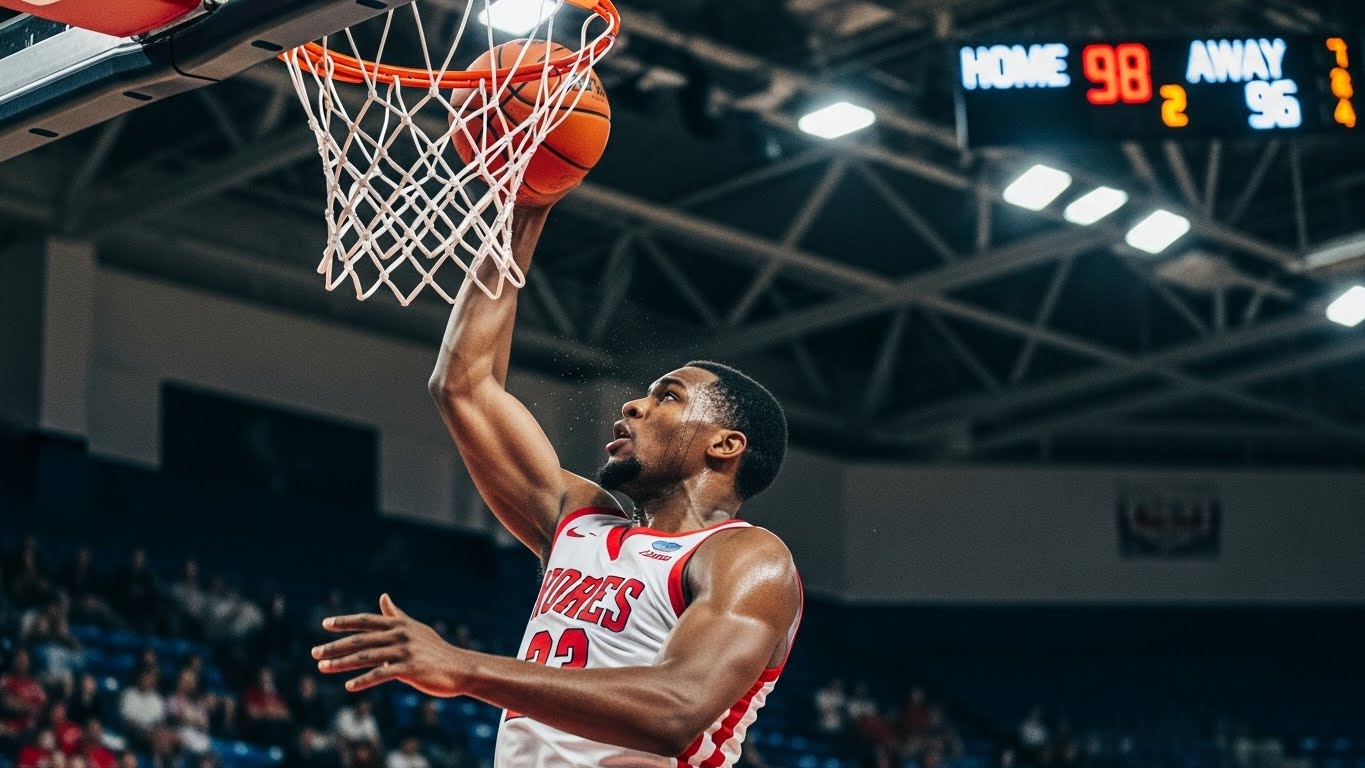

Sports have always been more than just games. They are stories told through motion, struggles written in sweat, and triumphs etched into the hearts of those who watch and play. From the dusty village fields to grand Olympic stadiums, sports unite people across continents, languages, and beliefs. They embody our collective pursuit of excellence, teamwork, and fair play.
In every era, sports reflect the spirit of their time—shaped by culture, technology, and the unchanging human need to challenge limits. Whether it’s the thunder of football fans, the serene precision of a golfer, or the graceful rhythm of a gymnast, sports express something deeply human: the desire to be better than yesterday.
The Ancient Roots of Modern Sports
Long before organized leagues and televised events, humans engaged in physical contests for survival, training, and celebration. Ancient civilizations used athletic competition to test strength, agility, and endurance. The earliest known sporting activities date back thousands of years.
In ancient Egypt, wrestling, archery, and swimming were popular forms of recreation and preparation for warfare. The Greeks formalized athletics into grand celebrations of the human body and spirit—the Olympic Games, first held in 776 BCE, remain one of history’s most influential legacies.
For the Greeks, sports were more than entertainment; they were a moral pursuit. Competitors trained not merely to win but to embody arete—the excellence of mind and body in harmony. The Romans, too, understood the power of sports, though they often infused their games with spectacle and politics. Gladiatorial contests and chariot races reflected a society that valued dominance and drama.
Meanwhile, in Asia, martial arts traditions such as kung fu, judo, and kalaripayattu evolved as disciplined practices blending philosophy, spirituality, and combat. Native cultures across the Americas played ball games not just for competition but also for ritual and community bonding.
Sports, from their earliest forms, were never just about the body—they were about identity, belief, and belonging.
The Transformation of Sports in the Modern Era
The industrial revolution changed everything. As people moved to cities and gained leisure time, sports transitioned from local pastimes to organized competitions. Rules were standardized, associations were formed, and professionalism emerged.
The 19th century saw the birth of many modern sports we know today: soccer in England, basketball in the United States, cricket in the British Empire, and tennis across Europe. These games, once regional diversions, spread worldwide through colonization, trade, and cultural exchange.
By the early 20th century, sports had become an essential part of national identity. International competitions like the modern Olympics (revived in 1896) and the FIFA World Cup (first held in 1930) gave nations new arenas to display pride and unity. The roar of the crowd became a global chorus celebrating the human capacity for greatness.
Yet, with growth came complexity—issues of fairness, gender inclusion, and commercial influence began to shape the landscape of sports.
The Role of Sports in Society
Sports play a multifaceted role in society. They are entertainment, certainly, but also education, diplomacy, and inspiration. They teach lessons that transcend the field—about teamwork, discipline, leadership, and resilience.
1. Building Character and Discipline
Athletes are living examples of what consistent effort can achieve. From early morning training sessions to moments of heartbreak and recovery, sports cultivate mental toughness. They teach individuals to handle success with humility and failure with dignity.
Every player, whether a professional or an amateur, learns that persistence matters more than talent alone. The discipline required to master technique, maintain fitness, and perform under pressure mirrors the challenges of life itself.
2. Social and Cultural Unification
Few things bring people together like sports. When a national team takes the field, differences fade into a shared passion. Flags wave, anthems play, and millions cheer for the same cause. Sports events like the Olympics and World Cup are modern celebrations of global unity, where competition fosters mutual respect among nations.
At the same time, sports can highlight and challenge inequality. The rise of women’s sports, for example, has reshaped public perception and inspired broader conversations about gender equity. Figures like Serena Williams, Megan Rapinoe, and Simone Biles are not just champions; they are cultural icons who push society toward inclusivity.
3. Economic and Political Impact
Sports are a global industry generating billions annually. Stadium construction, broadcasting rights, sponsorships, and merchandise form a vast economic ecosystem. Cities compete fiercely to host major events, recognizing their potential for tourism, infrastructure development, and global recognition.
Politically, sports can serve as soft power. Nations use athletic achievement to project strength and prestige. Historic moments—like Jesse Owens’ victories in the 1936 Berlin Olympics—have symbolized defiance against oppression. Sports, at their best, remind us that greatness is born not of privilege, but of perseverance.
The Rise of Technology and Analytics in Sports
Modern sports are as much about data as determination. Technology has transformed how athletes train, how fans engage, and how coaches strategize.
Motion sensors track performance in real-time. Video analysis refines technique down to the smallest detail. Wearable devices monitor heart rates, oxygen levels, and recovery times. Artificial intelligence predicts outcomes and optimizes tactics.
Injuries that once ended careers are now treatable through medical advancements. Rehabilitation programs are scientifically designed to restore peak form. Nutrition, once an afterthought, has become a cornerstone of elite performance.
Even the fan experience has evolved—virtual reality allows supporters to “attend” games from their living rooms, and social media connects players directly with their global audiences.
However, technology also brings ethical dilemmas: performance-enhancing innovations blur the line between fair advantage and artificial enhancement. The debate over where to draw that line continues to challenge regulators and fans alike.
Gender Equality in Sports: Breaking Boundaries
For centuries, women were excluded from most organized sports. When they did participate, they were often marginalized or mocked. But history has been rewritten by pioneers who refused to accept limitations.
The inclusion of women in the Olympics in the early 20th century was a turning point. Still, it took decades for women to gain equal recognition and resources. The fight for equity in pay, media coverage, and sponsorship continues, but progress is undeniable.
Today, women’s leagues and tournaments draw record audiences. Female athletes inspire new generations by demonstrating that strength and grace are not confined by gender. The global attention surrounding women’s soccer, cricket, and basketball illustrates that the appetite for female sports heroes is universal.
Beyond competition, women have also taken leadership roles as coaches, referees, and administrators—shaping the future of sports governance and representation.
Sports and Mental Health: The Hidden Game
While sports build physical fitness, their impact on mental health is equally profound. Physical activity releases endorphins, improves mood, and reduces anxiety. For many, sports serve as therapy—a space to express emotion, release tension, and find focus.
However, the pressures of competition can also lead to psychological strain. The demand to perform, fear of failure, and public scrutiny can weigh heavily on athletes. Recent years have seen top athletes openly discuss their mental health struggles, helping destigmatize conversations around well-being.
Athletes like Naomi Osaka and Michael Phelps have used their platforms to advocate for mental health awareness. Their openness reminds the world that behind every gold medal lies a human being navigating immense internal challenges.
Organizations and teams now increasingly employ psychologists and counselors to support players, recognizing that mental strength is as vital as physical ability.
Youth Sports: The Foundation of Future Champions
Every champion begins somewhere—a playground, a community park, or a school field. Youth sports are the backbone of athletic development and personal growth.
For children, playing sports teaches teamwork, discipline, and respect. It provides structure, builds confidence, and fosters friendships that often last a lifetime. Youth programs also serve as vital pipelines for discovering and nurturing talent.
However, the commercialization of youth sports has sparked debate. Early specialization, high costs, and excessive pressure can rob young athletes of joy and balance. The challenge for parents, coaches, and educators is to preserve the spirit of play while nurturing potential.
When guided well, youth sports instill habits that extend far beyond the game—commitment, empathy, and perseverance that shape future leaders, not just future athletes.
The Globalization of Sports
In today’s interconnected world, sports transcend borders more than ever before. A basketball fan in Africa cheers for an NBA team; a cricket enthusiast in Canada watches matches from India; football clubs in Europe have global fan bases spanning continents.
Media and technology have made sports universal. Streaming platforms bring live coverage to millions, and social media allows fans to interact directly with their idols. Players have become international ambassadors, bridging cultures and communities.
Globalization has also diversified talent pools. Athletes now train across continents, adopting hybrid styles and techniques. Teams scout worldwide for the next prodigy, making competition more dynamic and inclusive than ever.
However, globalization comes with challenges—balancing cultural authenticity with global market demands, addressing exploitation in talent recruitment, and ensuring that local sports traditions are preserved alongside international fame.
The Dark Side of Sports
Despite its beauty and inspiration, the world of sports is not without flaws. Doping scandals, corruption, and commercialization sometimes tarnish its purity.
Performance-enhancing drugs have haunted competitions for decades, challenging the integrity of results. Match-fixing and illegal betting threaten to erode trust. Financial interests can overshadow fair play, turning athletes into commodities rather than heroes.
Moreover, excessive commercialization can shift focus from passion to profit. Ticket prices, advertising, and sponsorship deals sometimes distance sports from the communities that once nurtured them.
Yet, these challenges also inspire reform. Anti-doping agencies, fair play initiatives, and advocacy for transparency continue to fight to keep the spirit of sports alive and clean. The world watches, learns, and demands better because the idea of honest competition is too sacred to lose.
The Cultural Power of Sports Heroes
Every generation produces athletes who transcend their sport to become symbols of something greater. Muhammad Ali stood for courage and conviction. Pelé embodied joy and unity. Billie Jean King fought for gender equality.
Sports heroes inspire not only because they win, but because of how they win—through resilience, respect, and humility. They remind us that greatness comes from character as much as from skill.
In an age of social media, athletes wield immense influence. Their voices amplify causes from racial justice to climate awareness. While some argue that sports should remain apolitical, history shows that sports and society are inseparable. The athlete’s platform, when used responsibly, can drive meaningful change.
Sports in the Digital Future
The future of sports is being written in pixels and algorithms. Esports—competitive video gaming—has redefined what it means to be an athlete. Millions watch tournaments, and professional gamers train with the same discipline as traditional athletes.
Virtual reality training, AI-driven coaching, and digital fan engagement will continue to blur the line between physical and virtual arenas. The rise of data analytics will make performance more measurable, and wearable technology will integrate seamlessly with health management.
Still, no matter how advanced technology becomes, the essence of sports will remain human. The heartbeat of competition, the rush of victory, the agony of defeat—these emotions cannot be simulated. The soul of sports lies in imperfection, in the unpredictable magic that happens when talent meets will.
The Timeless Lessons of Sports
Sports teach us truths that no textbook can capture. They remind us that effort matters more than outcome, that unity conquers ego, and that every setback can be a setup for a comeback.
They teach us to respect rules, honor opponents, and celebrate diversity. In a world often divided by conflict and ideology, sports offer a rare space where humanity competes fiercely yet respectfully.
Whether it’s a marathon runner crossing the finish line, a child learning to swim, or a nation celebrating victory, the lesson is the same: the human spirit, when challenged, rises.
Conclusion: The Unbroken Thread of Passion
From ancient arenas to digital stadiums, sports have evolved—but their essence remains unchanged. They are still about passion, perseverance, and the pursuit of excellence. They still unite people beyond language, geography, and belief.
Sports mirror life itself: unpredictable, demanding, and profoundly rewarding. They remind us that every victory, whether on the field or in our personal journey, comes from dedication and courage.
In the end, sports are humanity’s greatest game—not because of who wins, but because of how we play. As long as people strive to push limits, as long as hearts beat faster at the sound of a whistle or the sight of a finish line, the spirit of sports will live on—forever young, forever uniting, forever inspiring.