Introduction
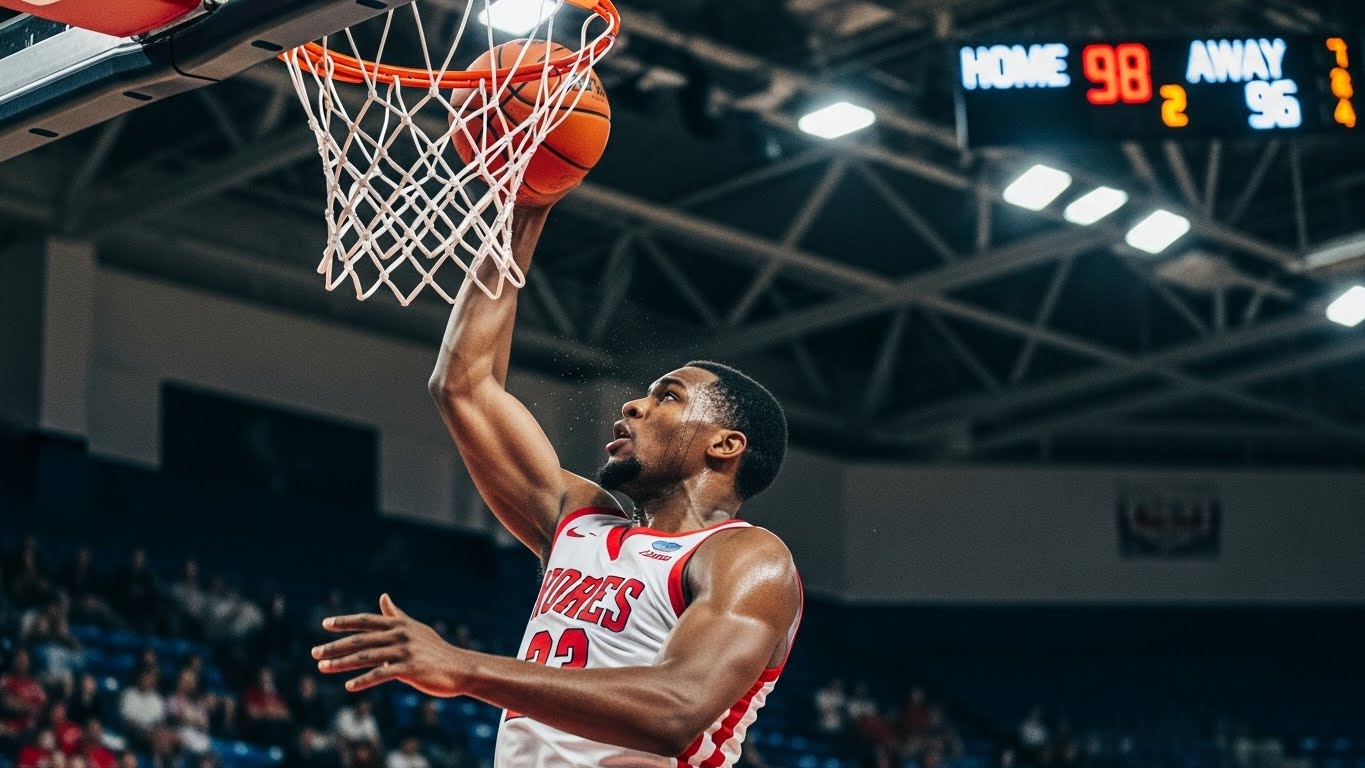
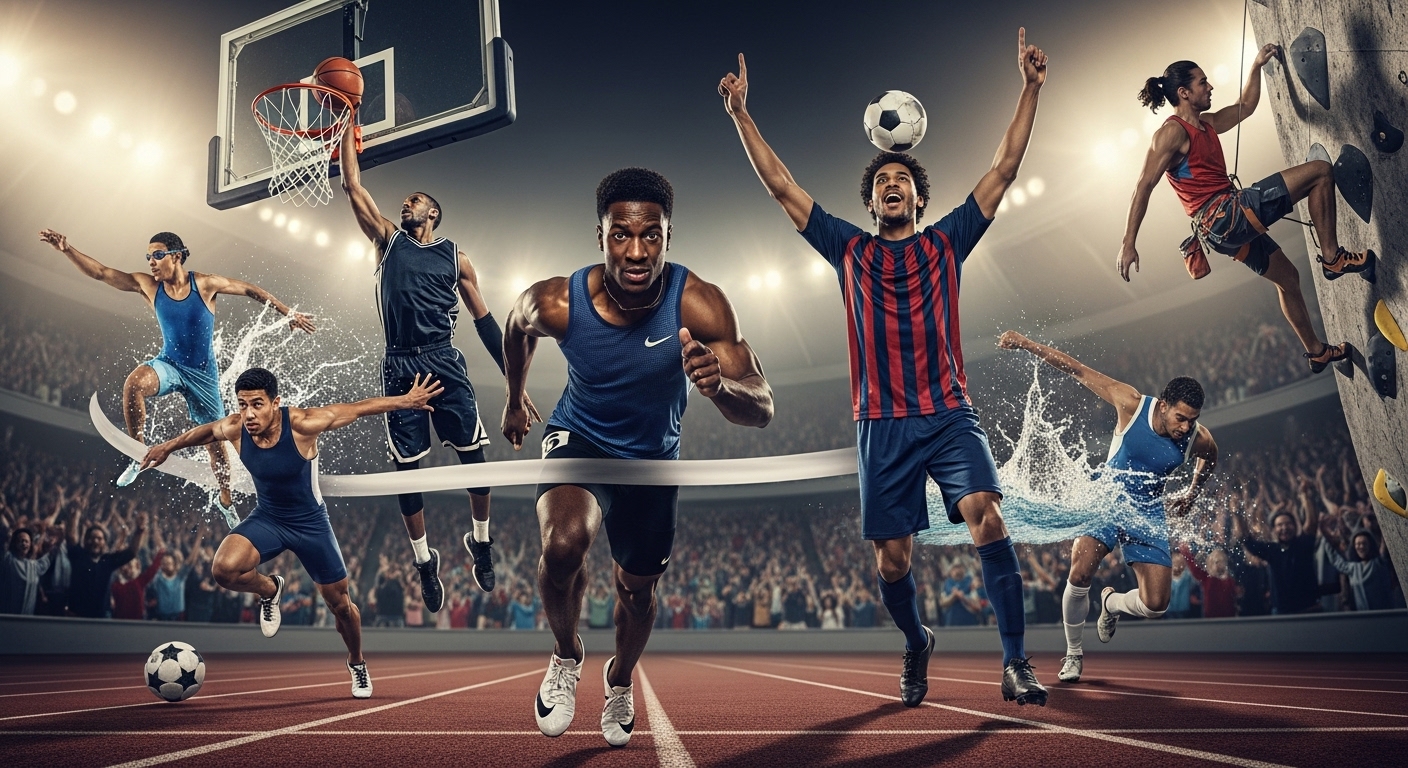
Sports have always been more than just physical activities or games; they are a universal language that transcends borders, cultures, and generations. Whether it is a football match played on the streets, a cricket game in the park, or an Olympic competition watched by millions around the globe, sports embody the essence of unity, competition, and human excellence. They teach discipline, teamwork, and resilience—values that extend far beyond the playing field. This blog explores the world of sports, their evolution, impact, and importance in shaping individuals and societies.
The Historical Roots of Sports
The origins of sports can be traced back thousands of years to ancient civilizations. Early forms of athletic competitions existed in ancient Egypt, Greece, China, and Rome. The Greeks introduced the Olympic Games around 776 BC, celebrating not only athletic skill but also cultural pride and human achievement. Ancient Roman gladiators showcased strength and endurance, while Chinese martial arts emphasized both physical and spiritual development.
Over the centuries, sports evolved with societies. What began as ritualistic displays of strength and honor transformed into organized competitions with rules, teams, and spectators. The industrial revolution in the 18th and 19th centuries brought urbanization, and along with it came organized clubs and leagues. Sports like football, cricket, baseball, and tennis emerged as global phenomena, shaping not only entertainment but also identity and culture.
The Role of Sports in Society
Sports play a crucial role in bringing people together. In every corner of the world, communities unite to cheer for their favorite teams and athletes. National pride reaches its peak during major tournaments such as the FIFA World Cup or the Olympics. Sports have the power to heal divisions and promote peace. Nelson Mandela once emphasized the ability of sports to inspire change, and his words proved true during the 1995 Rugby World Cup, when South Africa’s victory helped unite a nation divided by apartheid.
Sports also foster social inclusion. They bridge differences of language, race, and religion. In many underprivileged communities, sports serve as a tool for empowerment, giving young people opportunities to escape poverty and develop discipline, leadership, and self-confidence.
The Psychological Impact of Sports
Beyond the physical benefits, sports play an important role in mental and emotional well-being. Participating in sports can reduce stress, anxiety, and depression. Exercise releases endorphins, often called “happiness hormones,” which help elevate mood and increase focus. Team sports, in particular, encourage social interaction and cooperation, building a sense of belonging and purpose.
Professional athletes often face immense psychological pressure, as millions of fans watch their every move. Overcoming fear, failure, and self-doubt becomes as critical as physical preparation. This psychological resilience developed through sports is a powerful life skill, teaching individuals how to handle challenges, adapt, and grow stronger.
The Physical Benefits of Sports
Engaging in sports is one of the most effective ways to maintain a healthy lifestyle. Regular participation improves cardiovascular health, strengthens muscles and bones, and enhances flexibility and endurance. Children who play sports tend to develop better motor skills and coordination, while adults benefit from reduced risk of chronic diseases such as obesity, diabetes, and heart disease.
Sports also encourage discipline and routine. Training sessions, diet plans, and recovery schedules promote a balanced lifestyle. In a world increasingly dominated by technology and sedentary habits, sports remind us of the importance of physical movement and activity.
The Evolution of Modern Sports
Modern sports have evolved dramatically with technological advancements. Today’s athletes have access to state-of-the-art facilities, advanced training techniques, and data analytics that optimize performance. Sports science has become an integral part of professional competition, focusing on nutrition, biomechanics, and injury prevention.
Media and technology have transformed how sports are consumed. From radio broadcasts in the early 20th century to live television and now online streaming, sports have become a global spectacle accessible to billions. Instant replays, virtual reality training, and wearable fitness devices have further revolutionized the experience for both players and fans.
Women in Sports: Breaking Barriers
One of the most inspiring developments in the world of sports is the rise of women athletes. For centuries, women faced societal barriers and discrimination that limited their participation. However, pioneers like Billie Jean King, Serena Williams, and Nadia Comaneci challenged stereotypes and redefined what women could achieve in sports.
Today, women’s sports have gained significant recognition and respect. From football to athletics, tennis to cricket, female athletes are inspiring the next generation. Their determination and success serve as powerful reminders that talent knows no gender. However, the journey toward equality continues, as issues like pay disparity, media coverage, and institutional support still need attention.
The Spirit of Competition and Sportsmanship
At the heart of sports lies the spirit of competition—an inner drive to test limits, overcome challenges, and strive for excellence. Yet, true greatness is not just about winning but also about respect, fairness, and humility. Sportsmanship reflects the moral integrity of athletes and teams.
Great athletes are remembered not only for their victories but also for their grace in defeat. The handshake after a tough match, the encouragement to an opponent, and the respect for referees and rules—all define the true essence of sports. These values remind us that competition should unite rather than divide.
Sports and Education
Sports play an essential role in education systems worldwide. Schools and universities incorporate physical education programs to promote fitness, teamwork, and discipline among students. Young athletes learn time management, goal setting, and perseverance—skills that enhance academic and personal growth.
Scholarship programs in sports also open doors for talented individuals who might not otherwise afford higher education. In many countries, sports serve as a bridge between academics and professional opportunities, providing pathways to success both on and off the field.
The Economic Impact of Sports
Sports are not only a source of entertainment but also a massive global industry. From ticket sales and sponsorships to merchandise and broadcasting rights, sports generate billions of dollars annually. Mega-events like the Olympics or the FIFA World Cup stimulate tourism, create jobs, and boost local economies.
Sports brands, athletes, and leagues form powerful marketing ecosystems. Endorsements and advertising partnerships turn athletes into global icons. While this commercialization has its critics, it also helps fund infrastructure, training programs, and community initiatives that promote participation at the grassroots level.
Challenges in the World of Sports
Despite their many benefits, sports are not without challenges. Issues such as doping, corruption, and unethical behavior have at times tarnished the spirit of fair play. The pressure to win at any cost can lead to moral compromises. Governing bodies and organizations must continually enforce strict regulations and promote transparency.
Injury is another major concern. Athletes push their bodies to the limits, often facing long-term health consequences. Mental health has also become a significant topic, as athletes confront burnout, media scrutiny, and personal struggles. Addressing these challenges requires a holistic approach that prioritizes well-being over profit and fame.
The Digital Age and the Future of Sports
The future of sports is being shaped by innovation and technology. Esports, or competitive video gaming, has emerged as a new frontier, attracting millions of players and viewers worldwide. Virtual and augmented reality are enhancing fan experiences, allowing spectators to feel closer to the action.
Artificial intelligence and data analytics are revolutionizing performance analysis, injury prevention, and tactical strategies. Smart stadiums and digital engagement platforms are redefining how fans connect with their favorite teams. As technology continues to evolve, the line between physical and digital sports may blur, creating new opportunities and challenges alike.
Sports and Global Unity
In a divided world, sports remain a symbol of global unity. International competitions bring nations together in peaceful rivalry, reminding humanity of shared values. The Olympics, for example, serve as a platform where athletes from every background compete with mutual respect and admiration.
Sports diplomacy has even played a role in easing political tensions. Historic moments, such as the “Ping Pong Diplomacy” between the United States and China in the 1970s, highlight how sports can serve as a bridge between conflicting nations.
The Role of Fans in Sports
No discussion about sports is complete without acknowledging the fans. Supporters are the heartbeat of every game, filling stadiums with chants, songs, and passion. Their emotional connection to teams and athletes creates unforgettable moments that define sports culture.
Fans also play a role in shaping sports narratives. Social media allows them to voice opinions, celebrate victories, and express loyalty in ways never seen before. The bond between athletes and fans drives motivation and builds a sense of community that transcends borders.
Grassroots Sports Development
While elite competitions capture global attention, grassroots sports are the foundation of athletic growth. Local clubs, community centers, and school programs nurture young talent and instill the love of sports. Access to facilities, coaching, and equipment is vital in ensuring inclusivity and equal opportunity for all.
Governments and organizations play a key role in promoting grassroots initiatives. Investing in local sports not only develops athletes but also strengthens communities by encouraging health, cooperation, and national pride.
The Power of Sports to Inspire Change
Sports have often been at the forefront of social change. Athletes have used their platforms to speak out against injustice, inequality, and discrimination. Figures like Muhammad Ali, Colin Kaepernick, and Naomi Osaka demonstrated that sports can be a powerful stage for advocacy and awareness.
Through their influence, athletes remind the world that sports are not separate from society—they reflect and shape it. The courage to stand for what is right continues to inspire millions to take action beyond the boundaries of the stadium.
Conclusion
Sports are more than games; they are a reflection of human spirit and resilience. From ancient arenas to modern stadiums, from local playgrounds to global tournaments, sports capture the essence of competition, camaraderie, and courage. They unite nations, inspire individuals, and teach life lessons that extend far beyond victory or defeat.
In an ever-changing world, the values learned through sports—respect, teamwork, discipline, and perseverance—remain timeless. Whether played professionally or casually, sports will always hold a special place in the hearts of people around the world. They remind us that through effort, unity, and fair play, humanity continues to move forward, one game at a time.