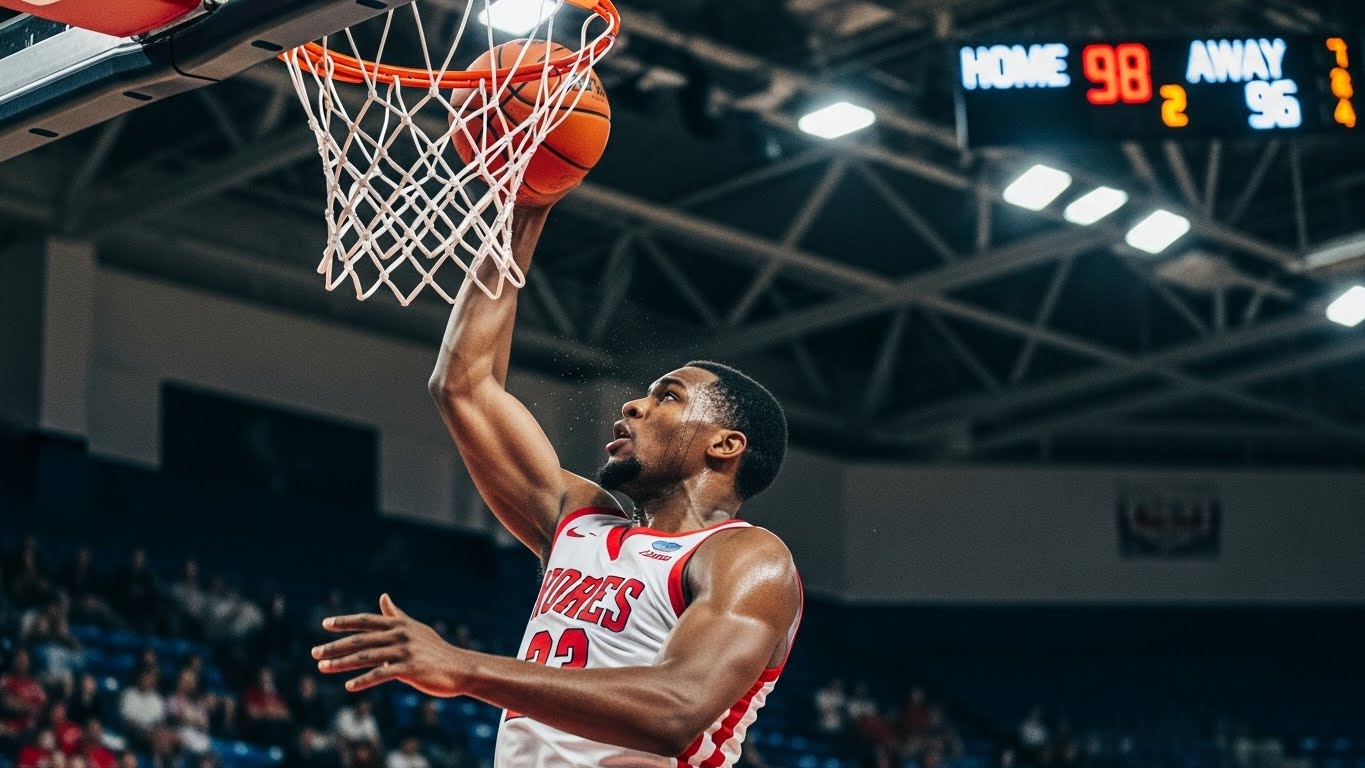
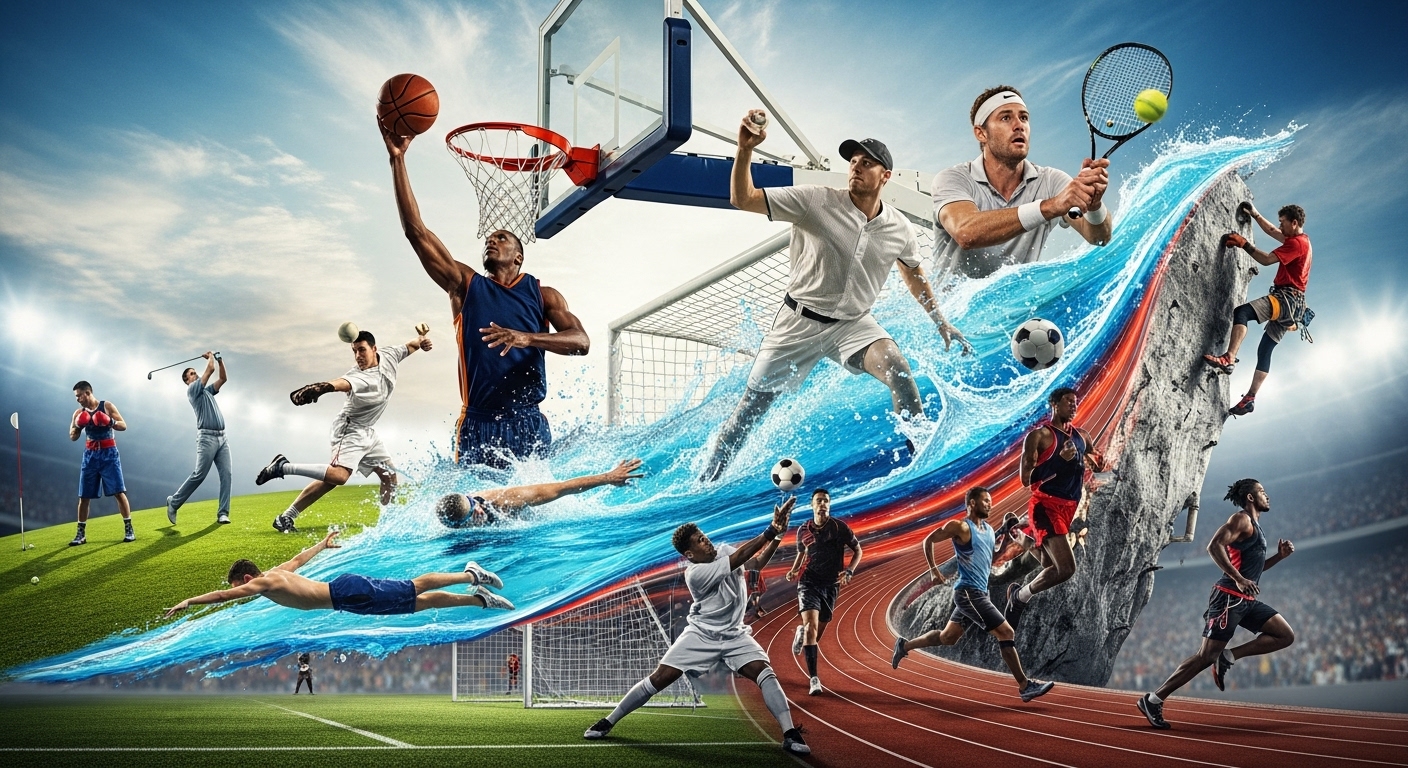
Sports have always held a unique position in human culture, influencing not just physical health but also shaping social, emotional, and mental well-being. From team sports to individual pursuits, the impact of engaging in athletic activities is profound. While many view sports as a mere form of entertainment or competition, their value extends far beyond the field or court. This blog post will delve into the multifaceted power of sports and how they contribute to personal development, community building, and societal change.
The Physical Benefits of Sports
It’s no secret that participating in sports offers a wide array of physical benefits. Engaging in any form of physical activity—be it soccer, tennis, or swimming—promotes cardiovascular health, strengthens muscles, and enhances flexibility. Regular participation in sports helps regulate weight, reduce the risk of chronic diseases like diabetes, and improve overall fitness. Whether you’re a professional athlete or a weekend warrior, your body reaps the rewards of consistent movement.
One of the major advantages of sports is the ability to engage in dynamic, full-body workouts. For instance, sports like basketball and football improve coordination, reflexes, and agility, while sports like running or cycling build endurance. These physical benefits often translate into better overall health, as regular exercise helps boost immune function and enhances mental clarity.
Sports as a Tool for Mental Health
While the physical aspects of sports are well-documented, the mental and emotional benefits are equally significant. Sports serve as a powerful tool for managing stress and promoting psychological well-being. Engaging in physical activity releases endorphins, which are known as the brain’s “feel-good” chemicals. These endorphins create feelings of happiness and relaxation, helping athletes combat anxiety, depression, and other mental health struggles.
For many, sports provide an outlet for escaping the pressures of everyday life. Whether it’s the thrill of competition or the joy of movement, the emotional release athletes experience on the field can lead to improved mental health. Research has consistently shown that people who engage in sports or regular physical activity are less likely to suffer from depression and anxiety. Furthermore, sports can build resilience, boost self-confidence, and improve cognitive functions like concentration and problem-solving.
Building Social Connections through Sports
One of the most significant and often overlooked benefits of sports is the way they bring people together. Whether you’re part of a sports team or playing informally with friends, sports foster social interaction and teamwork. Team sports, in particular, teach players the value of cooperation, communication, and trust. The camaraderie developed in the locker room or on the sidelines often translates into strong friendships that can last a lifetime.
Moreover, sports provide a sense of belonging and identity. When people join a team or a league, they become part of a larger community. This sense of inclusion is especially important in a world where many people feel isolated or disconnected. Sports break down social barriers by bringing together individuals from diverse backgrounds and cultures. Whether you’re playing soccer in a local league or participating in an international competition, sports have a way of uniting people regardless of their differences.
Discipline and Commitment: Life Lessons from Sports
The lessons learned through sports go far beyond the realm of physical fitness. Sports teach individuals about discipline, commitment, and perseverance. Success in sports, just like in life, doesn’t come easily. It requires consistent effort, focus, and the ability to push through adversity. Athletes learn to set goals, work toward them, and overcome obstacles along the way.
The commitment to training, the sacrifice of time, and the drive to constantly improve are qualities that sports instill in participants. These qualities translate into other areas of life, such as education, careers, and personal relationships. The discipline required to wake up early for practice, the persistence to keep improving despite setbacks, and the resilience to handle defeat are lessons that shape character and mold strong individuals.
Sports and Character Building
In addition to promoting discipline, sports play a crucial role in developing good character. Athletes are often faced with moral and ethical decisions on and off the field. Whether it’s maintaining sportsmanship in the face of defeat or learning to be gracious in victory, sports offer countless opportunities for character development.
One of the most valuable lessons that sports teach is how to handle failure. In sports, failure is inevitable—whether it’s missing a critical shot, losing a match, or falling short of personal goals. However, these setbacks offer athletes a chance to develop resilience and perseverance. Learning how to bounce back from disappointment is a life skill that carries over into every other aspect of existence. It teaches athletes to remain optimistic, keep trying, and never give up.
The Role of Sports in Education
Sports and education have a symbiotic relationship. Participation in sports has been shown to improve academic performance, promote teamwork, and foster leadership skills. Students who engage in sports often perform better in school due to the focus, discipline, and time-management skills that sports require. The mental clarity gained through physical activity can help students concentrate better on their studies and improve problem-solving abilities.
Moreover, sports provide opportunities for students to develop leadership and teamwork skills that are invaluable in the classroom and beyond. Sports often require individuals to lead by example, communicate effectively with others, and resolve conflicts—skills that can be applied in group projects, presentations, and interpersonal relationships.
Sports as a Means for Social Change
Beyond personal and social development, sports have the potential to drive large-scale social change. Throughout history, athletes have used their platforms to challenge societal norms, fight for equality, and bring attention to important issues. The civil rights movements in the United States were significantly influenced by athletes like Jackie Robinson, Muhammad Ali, and Tommie Smith, who used their fame to challenge racial injustice.
Sports have the ability to transcend national borders, unite people across cultures, and bring awareness to pressing global issues. In today’s interconnected world, athletes continue to leverage their visibility and influence to advocate for environmental sustainability, gender equality, and human rights. The widespread appeal of sports offers an opportunity to promote positive change on a global scale.
Conclusion: Sports as a Universal Language
In conclusion, sports are far more than just a form of entertainment or a competitive endeavor. They are a powerful force for good that impacts individuals, communities, and societies as a whole. From the physical benefits of improved health to the mental and emotional rewards of stress relief, sports enhance the quality of life in countless ways. Additionally, sports serve as a medium for social connection, character development, and the promotion of positive change.
The true power of sports lies in their ability to unite people from all walks of life, teach valuable life lessons, and inspire individuals to reach their full potential. Whether you are an athlete or a fan, sports provide a unique opportunity to learn, grow, and make a difference. So, the next time you lace up your sneakers or cheer for your favorite team, remember that you are part of something much larger than just a game.
Through sports, we find not only entertainment but also an avenue for personal development, community bonding, and societal transformation.