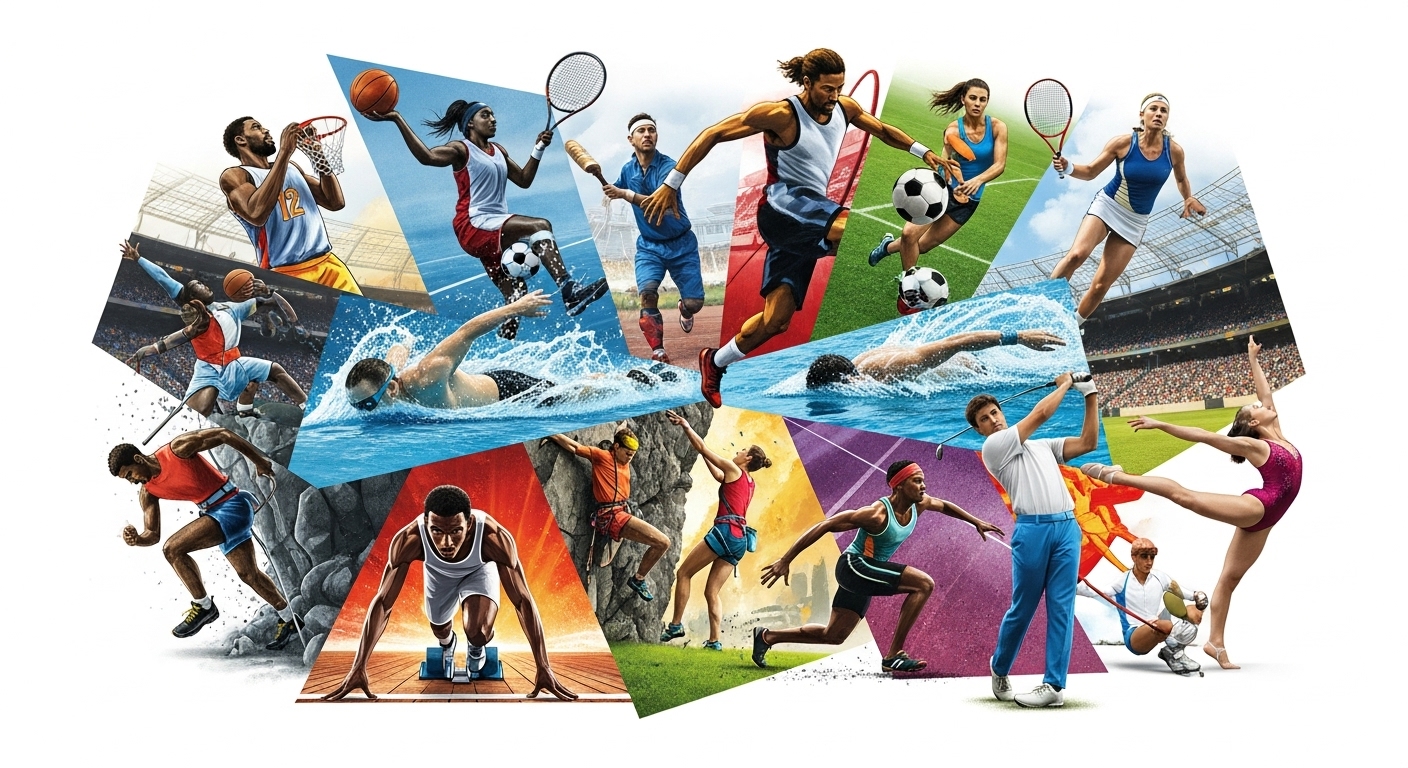
Sports have always played a central role in societies around the world, serving as a means of entertainment, competition, and physical expression. While traditional sports such as football, basketball, and cricket continue to thrive, the landscape of sports is evolving rapidly. Innovations in technology, changes in audience preferences, and the rise of new forms of competition are reshaping how we experience sports. In this blog post, we’ll explore how the world of sports is evolving and what these changes mean for athletes, fans, and the future of sports.
The Impact of Technology on Modern Sports
Technology has revolutionized the way we watch, play, and analyze sports. From high-definition broadcasts to wearable technology, advancements are enhancing the fan experience and improving athletic performance. One of the most noticeable technological innovations is the use of instant replay and VAR (Video Assistant Referee) in sports like football and basketball. These technologies allow officials to make more accurate decisions in real-time, reducing human error and increasing fairness in high-stakes moments.
Wearable technology, such as smartwatches, fitness trackers, and biometric sensors, is giving athletes unprecedented insights into their performance. Coaches and trainers use this data to optimize training regimens, prevent injuries, and track recovery. Wearables can measure everything from heart rate and calories burned to the intensity of an athlete’s movements, giving them a competitive edge.
In addition, virtual and augmented reality (VR and AR) are transforming how athletes train and how fans engage with sports. VR is being used to simulate game scenarios, helping athletes improve their skills and mental focus. For fans, AR apps allow them to experience live events with interactive features, such as 3D player statistics or real-time game analysis, creating an immersive viewing experience that goes beyond the traditional broadcast.
The Rise of Esports: A New Frontier
While traditional sports continue to dominate globally, a new form of competition has emerged that is taking the world by storm: esports. Esports refers to organized, multiplayer video game competitions, often between professional players or teams. Games like League of Legends, Dota 2, and Fortnite have turned competitive gaming into a multi-billion-dollar industry, with professional leagues, sponsorships, and international tournaments drawing millions of viewers.
Esports has bridged the gap between gaming and traditional sports, attracting a younger, tech-savvy audience. Major sports organizations are now investing in esports teams and tournaments, seeing the potential to tap into this rapidly growing market. The rise of esports has also led to the development of collegiate programs and scholarships, further legitimizing it as a recognized sport.
What makes esports unique is the fact that anyone with a computer or gaming console can compete at various levels, from casual online play to elite tournaments. This democratization of competition is opening up new opportunities for players worldwide, particularly in regions where traditional sports infrastructure is limited. As the popularity of esports continues to grow, it’s likely that we’ll see it become a mainstream part of the global sports landscape.
The Changing Nature of Fan Engagement
The way fans interact with sports has undergone a significant transformation in recent years. While attending live events and watching broadcasts remain central to the fan experience, new technologies and platforms are expanding how fans engage with their favorite teams and athletes.
Social media platforms such as Twitter, Instagram, and TikTok have become key channels for fans to connect with athletes, share their opinions, and follow the latest news. Athletes now use these platforms to share behind-the-scenes glimpses into their lives, offer personal insights, and even interact with fans directly. This has created a more personal and intimate relationship between athletes and their followers, allowing fans to feel like they are part of the action.
Moreover, fan engagement is no longer limited to the stadium or television screen. Streaming platforms like Twitch, YouTube, and Facebook Live have made it possible for fans to watch live events from anywhere in the world. These platforms also offer interactive features, such as live chats and real-time voting, allowing fans to influence the experience.
In addition, the rise of fantasy sports and sports betting has created new ways for fans to engage with games and teams. By allowing fans to build their own teams or place bets, these platforms give fans a deeper stake in the outcome of games, making the fan experience more interactive and exciting.
Women’s Sports: Breaking Barriers and Gaining Momentum
While sports have long been male-dominated, the landscape is beginning to shift. Women’s sports are gaining visibility, recognition, and support, breaking down barriers that have existed for decades. Events like the FIFA Women’s World Cup, the Women’s National Basketball Association (WNBA) playoffs, and the women’s tennis Grand Slams are drawing larger audiences, both in person and on television.
This growth in popularity has been fueled by increasing investment in women’s sports, as well as rising media coverage and sponsorships. Companies are recognizing the value of promoting female athletes and are starting to invest in women’s leagues and tournaments. As a result, we are seeing more equal representation in the media, which is inspiring a new generation of female athletes and fans.
While progress has been made, challenges remain, particularly in terms of pay disparity and access to resources. However, the continued growth of women’s sports is a testament to the changing attitudes toward gender equality in athletics. As women’s sports gain more recognition and support, they will continue to break new ground, creating opportunities for future generations of athletes.
The Growing Focus on Athlete Well-Being
As sports continue to become more competitive and demanding, there is an increasing focus on athlete well-being. Gone are the days when athletes pushed through pain and injury for the sake of competition. Today, there is a growing awareness of the importance of mental health, recovery, and long-term health for athletes at all levels.
Athletes are now being encouraged to prioritize mental health just as much as physical fitness. Many professional teams and organizations are investing in mental health resources, offering counseling, stress management programs, and support networks. Additionally, there’s a growing recognition of the importance of rest and recovery in an athlete’s routine. Practices like meditation, yoga, and sleep optimization are becoming essential parts of training regimens.
This shift toward a more holistic approach to athletic performance not only benefits athletes but also sets an example for fans. It highlights the importance of mental health and well-being in all aspects of life, sending a positive message about self-care and balance.
The Future of Sports: Innovation and Inclusivity
As sports continue to evolve, innovation and inclusivity will play key roles in shaping the future. New technologies will continue to enhance both athletic performance and fan experiences, creating more immersive and interactive ways to enjoy sports. At the same time, efforts to make sports more inclusive—whether in terms of gender, ability, or accessibility—will ensure that sports remain a powerful force for social change.
We’re likely to see more diversity in sports media, with greater representation of athletes from different backgrounds and cultures. Technological advancements will make sports more accessible to people with disabilities, opening up new avenues for participation and enjoyment.
The future of sports is bright, and as technology continues to advance and attitudes continue to evolve, the sports world will become more inclusive, innovative, and dynamic than ever before.
Conclusion: Sports for the Next Generation
The world of sports is undergoing a transformation. As technology, fan engagement, and social attitudes evolve, sports are becoming more inclusive, interactive, and global. Whether it’s through advancements in esports, the rising prominence of women’s sports, or the ongoing emphasis on athlete well-being, the future of sports is set to break new ground.
Sports will always be about competition and passion, but the way we experience them will continue to evolve, offering new opportunities for both athletes and fans. As we move forward, it’s clear that the future of sports will be defined by innovation, inclusivity, and a deeper connection between athletes and their audiences.