Introduction
Sports are not only a source of entertainment and competition but also a significant force that influences the growth and transformation of cities. From the construction of massive stadiums to the creation of community parks and training facilities, sports have played an important role in shaping urban landscapes. Beyond the physical infrastructure, sports also influence the economy, culture, and social dynamics of cities. The relationship between sports and urban development has evolved over the years, with both positive and negative consequences.
This blog explores the ways in which sports contribute to urban development, the challenges they pose, and the broader cultural impact they leave on modern cities.
The Historical Connection Between Sports and Cities
The connection between sports and cities goes back centuries. In ancient civilizations, large arenas were often at the heart of urban life. The Roman Colosseum, for example, was a central hub for sporting events that defined not only entertainment but also the social and political identity of Rome. Similarly, ancient Greek cities had stadiums and gymnasiums that promoted both athletic competition and civic pride.
As cities grew in modern times, sports arenas and public spaces for recreation became vital for bringing people together. The integration of sports into city planning was not accidental. City leaders recognized that sports could inspire unity, attract commerce, and create a sense of shared identity among residents.
The Role of Stadiums in Urban Transformation
One of the most visible ways in which sports shape urban development is through the construction of stadiums. These massive structures often redefine city skylines and become landmarks. When a city is awarded the chance to host a major event such as the Olympics or a World Cup, new stadiums and arenas are often built to showcase modern architecture and accommodate thousands of fans.
Stadium construction also tends to spark surrounding urban development. Restaurants, hotels, shopping complexes, and entertainment hubs often emerge near sports venues. This generates jobs, boosts tourism, and creates economic opportunities. Cities like Barcelona, Los Angeles, and London are examples of places where stadium investments contributed significantly to broader urban growth.
However, stadium-driven development is not without controversy. Critics argue that the enormous cost of building and maintaining stadiums often outweighs the long-term benefits, especially when taxpayer money is used. The success of such projects largely depends on how effectively the facilities are integrated into the broader urban fabric once major events are over.
Mega Sporting Events and Urban Renewal
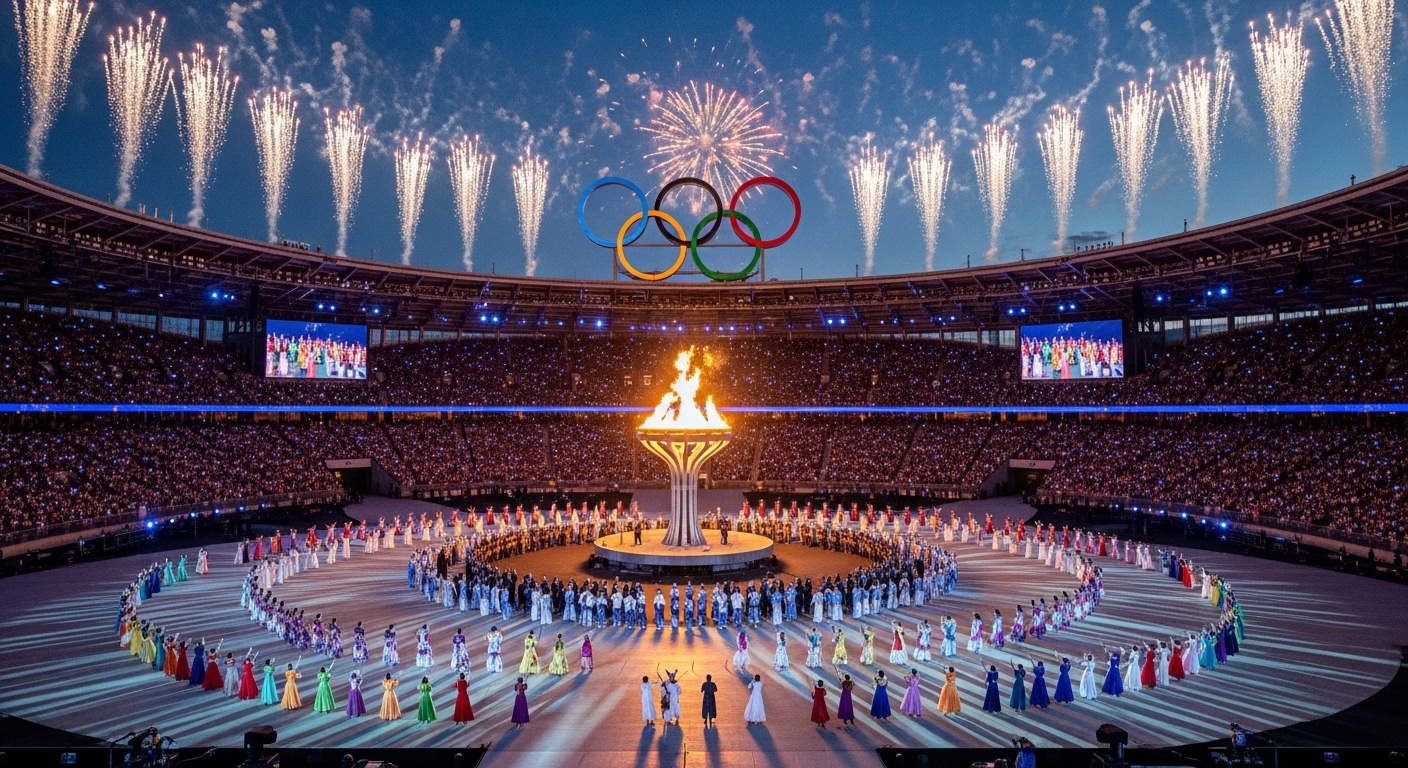
Global sporting events such as the Olympics, the FIFA World Cup, and the Commonwealth Games are powerful drivers of urban renewal. When a city wins the bid to host such an event, it often undergoes massive infrastructure projects that go beyond stadiums. Roads, airports, public transportation systems, and housing developments are upgraded or built to accommodate the influx of visitors.
For example, the 1992 Barcelona Olympics are often cited as a case study in how sports can transform a city. Before the event, Barcelona invested heavily in urban redevelopment, improving its coastline, transportation, and public spaces. After the games, the city had not only world-class sports facilities but also a modernized infrastructure that boosted tourism and positioned Barcelona as a global cultural hub.
Yet, not all urban renewal projects tied to sports events succeed. Some cities struggle with abandoned stadiums, underutilized facilities, and debt after the spotlight moves elsewhere. The challenge lies in planning long-term benefits that extend beyond the event itself.
Sports as Catalysts for Community Spaces
While mega-events and large stadiums draw global attention, smaller-scale sports projects also significantly shape urban development. Community parks, playgrounds, sports clubs, and recreational centers are integral to city life. They provide accessible spaces for residents to stay active, connect socially, and build community identity.
Cities that prioritize accessible sports facilities often benefit from healthier populations and stronger community engagement. For example, the creation of basketball courts, soccer fields, and running tracks in neighborhoods can transform neglected spaces into hubs of social activity. This contributes to reducing crime, fostering youth development, and creating a sense of pride in local areas.
Community-based sports development also aligns with sustainability goals by promoting the use of open spaces, encouraging physical health, and creating greener urban environments.
Economic Impact of Sports on Cities
Sports also shape urban development by influencing economic patterns. Hosting sports events, maintaining teams, and supporting fan culture generate significant revenue streams for cities. Major sports franchises often become economic engines for their cities, creating jobs in hospitality, retail, transportation, and entertainment.
Cities like Manchester, Madrid, and Chicago demonstrate how sports teams contribute to economic growth. Local businesses thrive when fans attend games, and merchandise sales expand the city’s economic footprint globally. Furthermore, cities that brand themselves around sports teams or events often attract investment and tourism.
However, the economic benefits of sports development can be uneven. Wealthier neighborhoods near stadiums may see rapid gentrification, while lower-income communities may struggle with rising rents and displacement. The challenge for urban planners is ensuring that sports-driven economic growth is inclusive and sustainable.
Transportation and Accessibility
One of the less-discussed but critical aspects of sports-driven urban development is transportation. Large stadiums and sports events require efficient systems to move thousands of people in and out of venues quickly and safely. This often leads to major investments in public transportation, highways, and pedestrian-friendly infrastructure.
For instance, many Olympic host cities have built new subway lines, bus systems, and rail connections as part of their preparations. These improvements remain long after the events are over, benefiting residents and reshaping how cities function daily.
By improving transportation networks, sports indirectly make cities more accessible and livable. The long-term challenge is ensuring that these investments serve the broader community rather than being limited to short-term sports needs.
Sports and Urban Identity
Sports contribute to the cultural identity of cities. Teams and venues become symbols of civic pride, and cities often market themselves through their association with sports. For example, New York is associated with iconic franchises like the Yankees and Knicks, while Rio de Janeiro is globally recognized for its passion for football and its role in hosting the Olympics and the World Cup.
Sports identity influences urban branding, tourism campaigns, and even political narratives. Hosting major events can put cities on the global map, shaping how they are perceived by outsiders. In some cases, sports success even becomes part of a city’s mythology, inspiring generations of residents.
Gentrification and Displacement
While sports can bring growth and modernization, they can also lead to gentrification and displacement. When new stadiums or sports complexes are built, the surrounding neighborhoods often undergo rapid transformation. Property values rise, new businesses move in, and wealthier residents replace long-time locals.
While this process can improve the urban landscape, it often comes at the cost of displacing vulnerable communities. Critics argue that many sports-driven projects prioritize profit and aesthetics over the needs of existing residents. Urban planners must therefore balance modernization with fairness, ensuring that sports-driven development benefits all citizens rather than a select few.
Sustainability and Green Development
In recent years, there has been a growing emphasis on sustainability in sports-related urban development. Cities are increasingly aware of the environmental impact of large stadiums, major events, and construction projects. As a result, eco-friendly stadiums, green public spaces, and energy-efficient facilities are being integrated into urban plans.
For example, modern sports venues often incorporate renewable energy, water conservation systems, and waste reduction strategies. Parks and green spaces tied to sports not only improve sustainability but also provide residents with healthier environments.
Sports, when planned with environmental consciousness, can be powerful tools for promoting sustainable urban growth.
Case Studies of Sports and Urban Development
Barcelona 1992 Olympics
Barcelona transformed itself from a relatively quiet European city into a global tourist and cultural destination through sports-driven urban development. The games revitalized its waterfront, modernized its infrastructure, and left behind a legacy of global recognition.
Beijing 2008 Olympics
Beijing’s games led to massive urban expansion, new subway lines, and iconic stadiums such as the Bird’s Nest. However, some facilities were underused after the event, raising concerns about sustainability.
London 2012 Olympics
London focused heavily on legacy planning, transforming East London into a vibrant urban hub. The Olympic Park became a long-term community asset, showing how sports-driven development can benefit future generations.
United States Stadiums
Many American cities like Los Angeles, Dallas, and Atlanta have seen new stadiums reshape neighborhoods, boost economic growth, and create new entertainment districts. At the same time, debates over public funding and displacement remain central issues.
The Social Dimension of Sports Development
Beyond infrastructure, sports influence the social fabric of cities. Sports events bring together people from diverse backgrounds, fostering unity and shared experiences. Public celebrations after championships, parades, and communal gatherings strengthen community ties.
Moreover, urban development tied to sports often creates youth programs and outreach initiatives that give children opportunities to participate in organized athletics. These programs help reduce crime, encourage education, and promote healthier lifestyles.
Sports also provide platforms for social activism. Cities often become arenas for athletes to raise awareness about issues such as inequality, racism, and social justice. This reinforces the role of sports not just in physical development but also in shaping the values and conversations within urban life.
Challenges of Sports-Driven Urban Development
Despite the many benefits, sports-driven urban development comes with challenges. These include:
- Over-reliance on mega-events that may not deliver promised benefits.
- Risk of building underused or abandoned facilities.
- Financial strain on taxpayers and city budgets.
- Displacement of communities due to gentrification.
- Environmental concerns from large-scale construction.
Balancing these challenges requires careful planning, transparent governance, and a focus on long-term community benefits rather than short-term glory.
The Future of Sports and Urban Development
Looking ahead, the relationship between sports and urban development will likely become more integrated and innovative. With advancements in technology, cities may incorporate smart stadiums, digital infrastructure, and new forms of fan engagement into urban planning.
Esports arenas and virtual sports experiences could also reshape urban entertainment districts, creating hubs for both traditional and digital sports. At the same time, the focus on sustainability will push cities to design sports facilities that are environmentally friendly and socially inclusive.
The future will demand that sports-driven development not only showcases grandeur but also prioritizes the needs of local communities, environmental stewardship, and long-term viability.
Conclusion
Sports shape urban development in profound ways, from iconic stadiums that define city skylines to community parks that nurture local identity. They drive economic growth, improve infrastructure, and create spaces that bring people together. Yet they also present challenges such as displacement, financial strain, and environmental concerns.
When planned thoughtfully, sports-driven urban development can transform cities into more vibrant, inclusive, and sustainable spaces. The stories of cities like Barcelona and London show the potential of sports to reshape urban life for generations. On the other hand, failures in planning highlight the importance of balancing ambition with responsibility.
Ultimately, sports remain a powerful tool for shaping urban landscapes. They are more than just games—they are engines of cultural, economic, and social transformation that continue to redefine what it means to live in a modern city.