Swimming is one of the oldest human activities, a practice that has evolved from a basic survival skill into a highly competitive global sport and a beloved recreational pastime. The history of swimming is deeply intertwined with the story of human development, culture, and society. From ancient depictions on cave walls to the modern Olympic Games, swimming has undergone remarkable changes in style, technique, and purpose. Understanding the evolution of swimming not only helps us appreciate its athletic dimensions but also reveals how it has shaped human culture across civilizations and continues to do so in the present day.
The earliest evidence of swimming dates back thousands of years. Archeological findings such as the Cave of Swimmers in the Sahara Desert, estimated to be over ten thousand years old, depict figures in positions that resemble swimming strokes. These primitive illustrations suggest that humans living near bodies of water used swimming as both a necessity and a form of play. Ancient texts also reference swimming as a key life skill. The Epic of Gilgamesh, one of the oldest known pieces of literature, makes mention of swimming, indicating its significance even in Mesopotamian society. In Egypt, swimming was a common activity along the Nile, with both children and adults depicted engaging in it in ancient artwork. Similarly, Greek and Roman cultures considered swimming an essential skill for soldiers and citizens alike. Greek soldiers were often trained in swimming as part of their military preparation, while Roman baths frequently included swimming pools, reflecting both a recreational and hygienic aspect of the practice.
As civilizations advanced, swimming developed beyond survival and utility into a form of recreation, competition, and art. The Greeks, who valued physical fitness, often held swimming contests, while the Romans constructed elaborate bathhouses featuring pools for relaxation and exercise. Historical accounts reveal that swimming was not confined to one culture but was widespread across Asia, Europe, and Africa. In Japan, swimming competitions are believed to have been held as early as the first century, and by the seventeenth century, the samurai incorporated swimming into their martial training. In the Pacific islands, swimming was an integral part of daily life due to the surrounding oceans, with skills passed down through generations as part of cultural tradition.
Despite its early prominence, swimming experienced a decline in popularity during the Middle Ages in Europe. Religious and cultural restrictions, coupled with a fear of disease associated with communal bathing, led to a reduced emphasis on aquatic activities. However, by the Renaissance period, attitudes began to change. Scholars and writers of the time, such as Nikolaus Wynmann, who published the first known book on swimming in 1538, emphasized the benefits of swimming for health and safety. The rediscovery of classical values and a growing interest in human anatomy and fitness renewed enthusiasm for the activity.
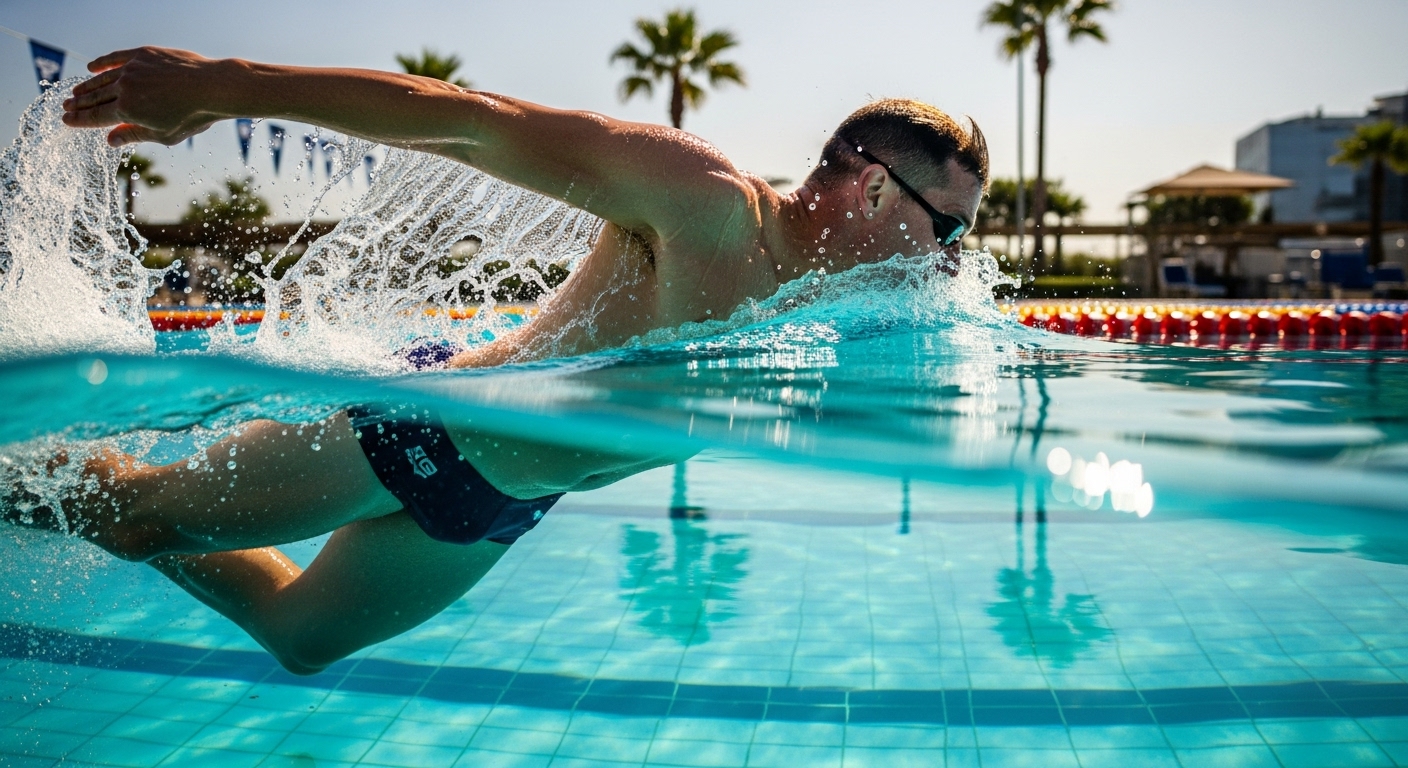
The modern era of swimming truly began to take shape in the nineteenth century. During this period, swimming transformed from a leisurely pursuit into a structured competitive sport. The National Swimming Society in London, founded in 1837, organized the first official swimming competitions, marking a significant step in codifying rules and techniques. Initially, swimmers predominantly used breaststroke, as it was considered the most practical and efficient stroke. However, new techniques began to emerge as competitions spread. The introduction of the front crawl, inspired by Native American and Pacific Island swimmers, revolutionized swimming by allowing for greater speed and efficiency. British swimmer Frederick Cavill and his family played a crucial role in popularizing this stroke, which eventually became the standard in freestyle competitions.
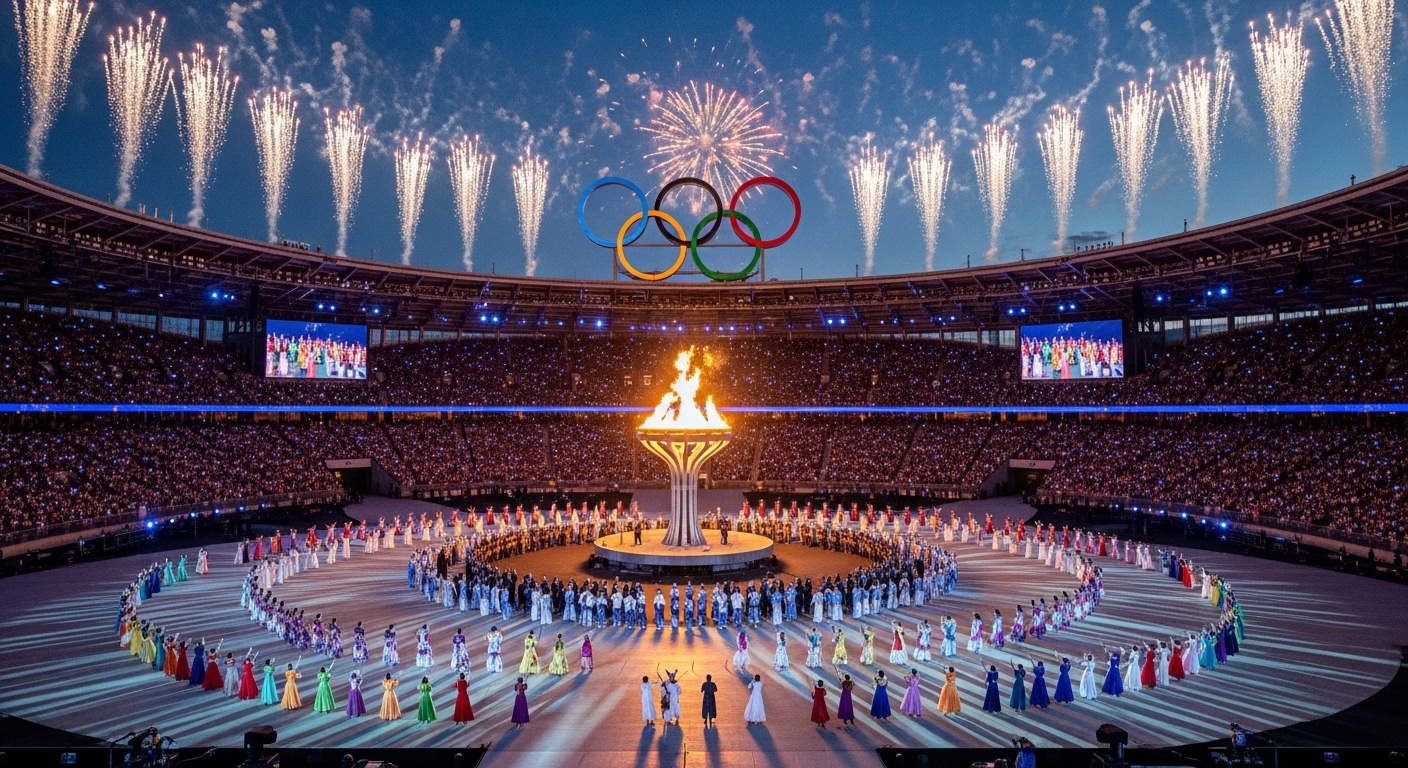
As competitive swimming grew, it quickly gained a global audience. Swimming was included in the first modern Olympic Games in Athens in 1896, although only men were allowed to compete at the time. Women were first admitted to Olympic swimming competitions in 1912, a milestone that not only changed the sport but also represented broader social shifts in gender equality. Over the years, the sport expanded to include a variety of events and disciplines, including backstroke, butterfly, and medley races, each with its own unique techniques and demands. These innovations added depth and diversity to swimming competitions, allowing athletes to showcase a wide range of skills.
The evolution of swimming has also been closely tied to advances in technology and infrastructure. The construction of indoor swimming pools with regulated water quality, lighting, and lane markers created a standardized environment for training and competition. Innovations such as starting blocks, electronic timing systems, and specialized swimwear further transformed the sport. Swimsuits, once made of wool and prone to dragging in the water, evolved into streamlined designs made of lightweight, water-repellent materials. In recent decades, high-tech suits capable of reducing drag and enhancing buoyancy have sparked both admiration and controversy, leading to stricter regulations by governing bodies like FINA to maintain fairness in competition.
The techniques and training methods of swimmers have undergone constant refinement. Early competitive swimmers relied primarily on natural ability and basic conditioning, but today’s athletes follow rigorous training regimens grounded in sports science. Modern training incorporates strength conditioning, nutrition, mental preparation, and biomechanical analysis. Coaches and athletes use video analysis to perfect stroke mechanics, reduce inefficiencies, and maximize performance. Underwater cameras capture every movement, allowing swimmers to make minute adjustments that can shave fractions of a second off race times—fractions that often mean the difference between winning and losing.
Another crucial aspect of swimming’s evolution has been the role of women and minority athletes in breaking barriers and expanding the sport’s reach. Pioneers such as Gertrude Ederle, who in 1926 became the first woman to swim across the English Channel, challenged prevailing stereotypes about gender and physical endurance. Her accomplishment inspired countless women to pursue competitive swimming and contributed to changing societal views about female athletes. Similarly, athletes of diverse backgrounds have expanded the representation of swimming across the globe. For instance, Anthony Ervin, an American swimmer of African-American and Jewish descent, has been celebrated not only for his Olympic gold medals but also for his role as a symbol of diversity in a sport historically dominated by a narrow demographic.
Beyond competition, swimming has maintained its importance as a life skill and recreational activity. Lifesaving techniques, water safety programs, and therapeutic uses of swimming have saved lives and improved health worldwide. Programs that teach children to swim have reduced drowning rates, while initiatives promoting swimming for seniors and individuals with disabilities highlight its inclusivity. The versatility of swimming as both a sport and a means of exercise makes it one of the most universally accessible physical activities.
In addition to health and recreation, swimming has long been associated with human achievement and endurance. Famous open-water swims, such as crossing the English Channel or completing the marathon swims of the Oceans Seven challenge, test the limits of physical and mental stamina. These feats are celebrated not just for their athleticism but also for their symbolic representation of perseverance and the human spirit’s ability to conquer natural obstacles.
The cultural impact of swimming extends into art, literature, and media. Writers have often used swimming as a metaphor for freedom, struggle, or transformation. Artists have depicted swimmers to capture the grace of the human body in motion, while films and documentaries have highlighted the beauty and drama of aquatic sports. The image of a swimmer slicing through water continues to resonate as a powerful visual of both elegance and strength.
Today, swimming continues to evolve as both a sport and a pastime. New generations of athletes break records that once seemed insurmountable, pushing the boundaries of speed and endurance. The popularity of synchronized swimming, water polo, and open-water swimming events has expanded the definition of the sport, showcasing its versatility. Moreover, the environmental dimension of swimming has gained importance, with increasing awareness of water conservation, pollution, and the protection of natural aquatic environments where open-water swimming takes place. The connection between swimming and nature reminds us that the sport is not only about human achievement but also about respect for the natural world.
Looking to the future, the evolution of swimming will likely continue to be shaped by advancements in science, technology, and culture. As training methods grow more sophisticated and new materials emerge, records will continue to fall. Yet even as the competitive side of swimming advances, its universal appeal as a joyful and life-saving skill ensures that it will remain central to human culture. Swimming is unique in that it bridges survival, recreation, competition, and art, embodying the physical and emotional relationship humans have with water.
In reflecting on the evolution of swimming, one sees a journey that stretches from ancient necessity to modern spectacle. It is a story of adaptation, innovation, and perseverance. The earliest swimmers sought survival, crossing rivers and lakes to hunt or escape danger. Ancient civilizations embraced swimming for fitness and pleasure. The Renaissance rediscovered its virtues, and the modern world transformed it into a global sport watched by millions. Along the way, athletes have redefined the limits of possibility, women and minorities have broken barriers, and countless individuals have found joy, health, and community in the water. Swimming’s evolution is not merely about techniques or competitions; it is about humanity’s enduring relationship with water and the way this relationship has shaped who we are and who we strive to be.