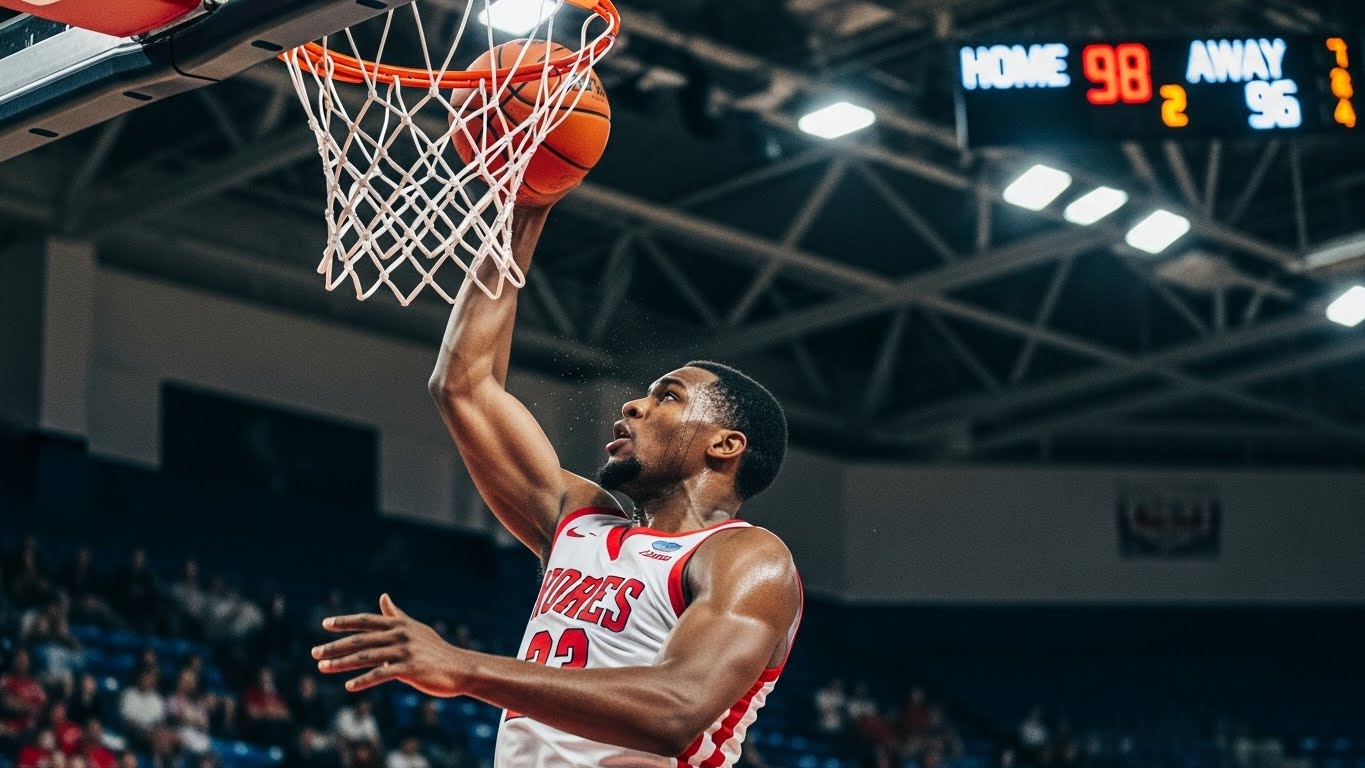
Sports have always held a unique place in human society. Beyond mere entertainment, they are a reflection of culture, a testament to human resilience, and a unifying force that transcends borders, languages, and ideologies. From ancient civilizations to modern global competitions, sports have continuously shaped human interactions, inspired generations, and created legacies that go beyond the scoreboard.
The Historical Roots of Sports
The origin of organized sports can be traced back thousands of years. Ancient civilizations like Greece, Egypt, and China recognized the value of physical competitions for both entertainment and societal development. The Greeks, for instance, introduced the Olympic Games in 776 BCE, celebrating athletic excellence and the human spirit. These early contests weren’t merely about victory; they emphasized discipline, honor, and the pursuit of personal excellence.
Similarly, in ancient China, sports such as archery, wrestling, and horseback riding were integral parts of military training and cultural festivals. Sports in these civilizations were a reflection of their societal values, a demonstration of skill and strategy, and a means to strengthen both mind and body.
Sports as a Cultural Phenomenon
Sports are more than just physical activity—they are a cultural phenomenon that shapes communities. Soccer in Brazil, cricket in India, sumo wrestling in Japan, and American football in the United States are not just games; they are traditions that define national identities. Sports create shared experiences, bringing people together in ways few other activities can.
In many countries, local sports clubs act as social hubs where communities gather, celebrate victories, and console each other in defeat. These clubs nurture young talents, instill values of teamwork and discipline, and serve as platforms for social interaction. The cultural impact of sports extends beyond national borders, fostering international relationships and mutual understanding among diverse populations.
The Physical and Mental Benefits of Sports
Engaging in sports is not only about competition or entertainment; it has profound physical and mental health benefits. Regular physical activity strengthens the cardiovascular system, improves muscle tone, enhances flexibility, and boosts overall immunity. Sports such as swimming, running, and cycling are particularly effective in promoting endurance and stamina.
Mentally, sports play a crucial role in developing cognitive abilities. Strategic games like chess, football, and basketball enhance decision-making skills, improve concentration, and teach players to handle pressure. The discipline learned on the field often translates into everyday life, helping individuals cultivate patience, resilience, and perseverance. Moreover, sports provide an outlet for stress relief, allowing players and spectators alike to experience moments of joy and excitement.
Iconic Sports Figures and Their Influence
Throughout history, sports figures have become more than athletes—they are role models, inspirations, and agents of social change. Icons like Muhammad Ali, Michael Jordan, Serena Williams, and Lionel Messi have transcended their respective sports, leaving legacies that inspire millions.
Muhammad Ali, known as “The Greatest,” not only revolutionized boxing but also stood as a symbol of courage and activism. His dedication inside the ring mirrored his commitment to social justice outside it. Similarly, Serena Williams redefined women’s tennis, showcasing unparalleled skill and determination while advocating for gender equality. These figures demonstrate that sports are not just about physical achievement—they are about character, leadership, and societal impact.
The Globalization of Sports
In the modern era, sports have become a global language. International tournaments like the FIFA World Cup, the Olympics, and the NBA Finals attract billions of viewers worldwide, transcending geographical and cultural barriers. The exchange of athletes, coaches, and strategies across countries has enriched the global sports ecosystem, fostering innovation and competitiveness.
Technology has played a significant role in this globalization. High-definition broadcasts, live streaming, and social media platforms have made it possible for fans to follow events in real-time, connect with athletes, and participate in discussions across continents. This interconnectedness has created a worldwide community of sports enthusiasts who share passion, knowledge, and support regardless of their location.
The Role of Sports in Youth Development
Sports play a vital role in shaping young minds. Participation in athletics instills values such as teamwork, discipline, leadership, and fair play. Young athletes learn to set goals, handle victories and defeats gracefully, and develop a sense of responsibility. Schools and sports academies often serve as incubators for talent, providing structured training, mentorship, and exposure to competitive environments.
Furthermore, youth sports encourage inclusivity and diversity. Children from different socio-economic backgrounds, cultures, and abilities come together, fostering mutual respect and understanding. This early exposure to collaborative environments prepares young individuals for future challenges, both in sports and in life.
The Economics of Sports
Sports are not only a cultural and social phenomenon—they are a powerful economic driver. Major sporting events generate substantial revenue through ticket sales, broadcasting rights, merchandise, and sponsorships. Cities hosting global tournaments experience a boost in tourism, infrastructure development, and employment opportunities.
Professional leagues and franchises have become multi-billion-dollar enterprises. The NBA, NFL, Premier League, and IPL showcase how sports can create significant economic impact while providing entertainment and engagement for millions of fans. Athletes themselves often become entrepreneurs, leveraging their fame and influence to build brands, start businesses, and contribute to philanthropic endeavors.
Technological Advancements in Sports
Technology has transformed the way sports are played, analyzed, and enjoyed. Innovations such as video-assisted refereeing (VAR), goal-line technology, wearable fitness trackers, and performance analytics have elevated the precision, fairness, and competitiveness of sports.
Athletes now have access to detailed performance data, enabling them to optimize training routines, prevent injuries, and enhance overall performance. Coaches rely on video analysis and statistical modeling to devise strategies and improve team dynamics. Fans benefit from immersive experiences, including augmented reality, virtual stadium tours, and real-time statistics, bringing them closer to the action than ever before.
Women in Sports: Breaking Barriers
Women’s participation in sports has grown exponentially over the last century. From being excluded or marginalized, women have fought tirelessly to claim their place on the global stage. Legends like Billie Jean King, Mia Hamm, and Simone Biles have shattered stereotypes, proving that talent and determination know no gender.
Female athletes are now dominating arenas, inspiring young girls to pursue sports without limitations. Major sporting organizations have implemented policies to ensure equal pay, representation, and opportunities for women, though challenges still remain. The rise of women in sports highlights the power of perseverance and the ongoing quest for equality.
Sports and National Identity
Sports often serve as a mirror of national identity and pride. Victories in international competitions evoke a sense of unity and celebration. For instance, cricket victories in India or Pakistan ignite nationwide celebrations, while Olympic medals bring countries together in collective pride.
National teams symbolize the values, aspirations, and resilience of their people. Athletes often carry the weight of national expectations, transforming sports into a platform where personal achievement and patriotism intersect. This connection between sports and national identity demonstrates how athletic endeavors extend far beyond individual accomplishment.
Extreme Sports and Adventure
While traditional sports have a massive following, extreme sports have carved their own niche. Activities like rock climbing, skydiving, surfing, and snowboarding push the boundaries of human endurance and courage. Extreme sports attract thrill-seekers who embrace risk, adventure, and the pursuit of adrenaline-fueled experiences.
These sports also encourage environmental awareness and respect for nature. Adventure enthusiasts often develop strong bonds with landscapes, mountains, rivers, and oceans, promoting conservation and sustainable practices. Extreme sports remind us that human potential is limitless, and the spirit of adventure remains an essential aspect of athletic culture.
Sports Psychology: The Mind Game
The mental aspect of sports is just as crucial as physical prowess. Sports psychology explores motivation, focus, confidence, and stress management. Athletes use visualization, goal-setting, and mindfulness techniques to enhance performance and maintain mental well-being.
High-pressure situations demand resilience, adaptability, and emotional control. Champions like Novak Djokovic and Michael Phelps have emphasized mental preparation as the cornerstone of success. Understanding the psychology behind sports provides insights into human behavior, discipline, and the power of mindset in achieving greatness.
The Social Impact of Sports
Beyond individual and national achievements, sports have a profound social impact. They serve as platforms for advocacy, social change, and community development. Programs like youth sports initiatives, adaptive sports for people with disabilities, and charity tournaments leverage the influence of sports to improve society.
Athletes often use their visibility to raise awareness about social issues, from gender equality to mental health. Sports create common ground for dialogue, empathy, and collaboration, demonstrating that the benefits of athletic endeavors extend far beyond physical fitness.
The Future of Sports
As we look ahead, sports will continue to evolve in exciting ways. Technological advancements, sustainability initiatives, and global connectivity will redefine how sports are played, experienced, and celebrated. Virtual reality competitions, eSports, and AI-driven analytics are already shaping new dimensions of the sports world.
Moreover, the focus on inclusivity, diversity, and mental health will ensure that sports remain a positive force in society. The next generation of athletes will benefit from enhanced training, equitable opportunities, and a global platform that celebrates talent without boundaries.
Conclusion: Sports as a Reflection of Humanity
Sports are more than games; they are a reflection of humanity’s pursuit of excellence, unity, and joy. They celebrate physical skill, mental strength, cultural identity, and social responsibility. From ancient arenas to modern stadiums, sports continue to inspire, challenge, and connect people across the globe.
Every match, race, or competition is a story of ambition, discipline, and perseverance. Every athlete embodies the dreams of countless fans, the hopes of communities, and the spirit of nations. Sports remind us that while victory is celebrated, the journey, effort, and dedication behind it hold the true meaning of greatness.
In a world often divided by differences, sports remain one of the few universal languages—an enduring testament to the human spirit, creativity, and collective aspiration.