Introduction: Why Sports Still Matter More Than Ever
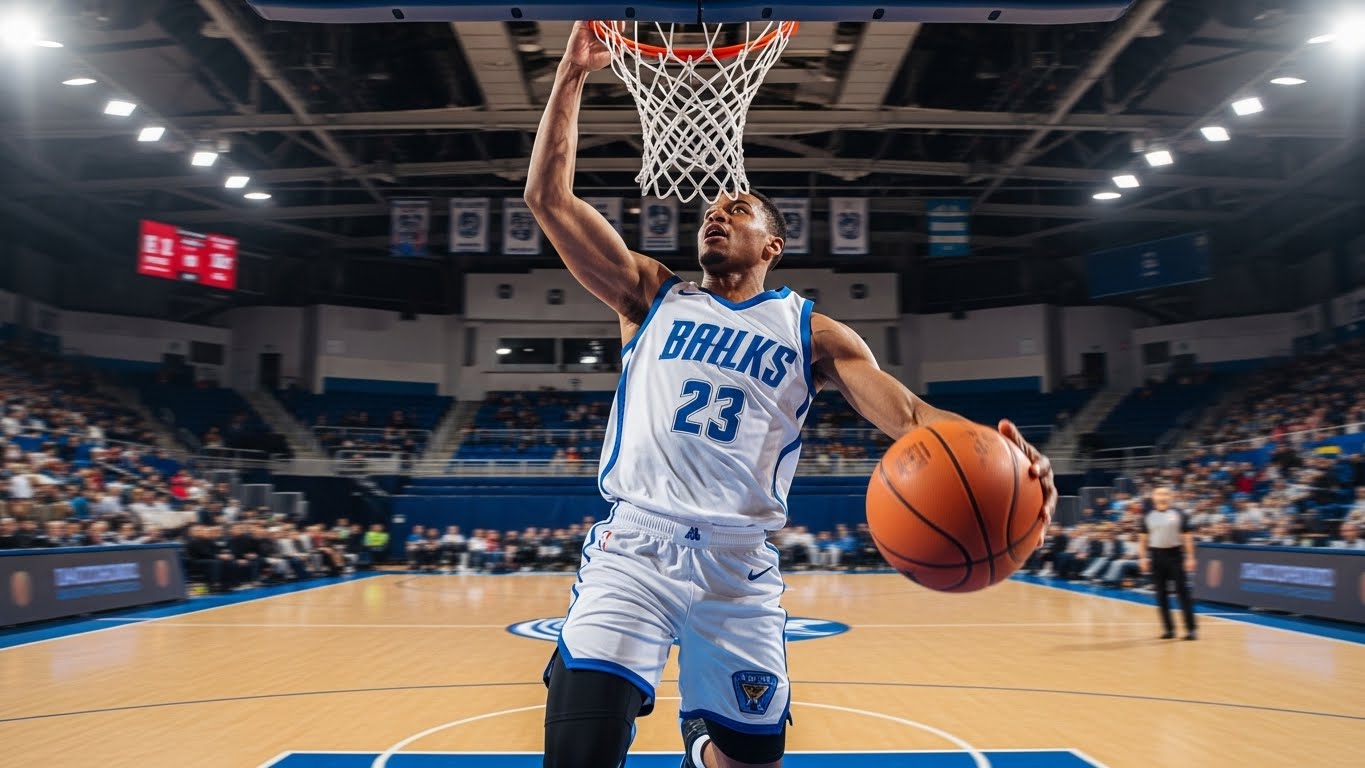
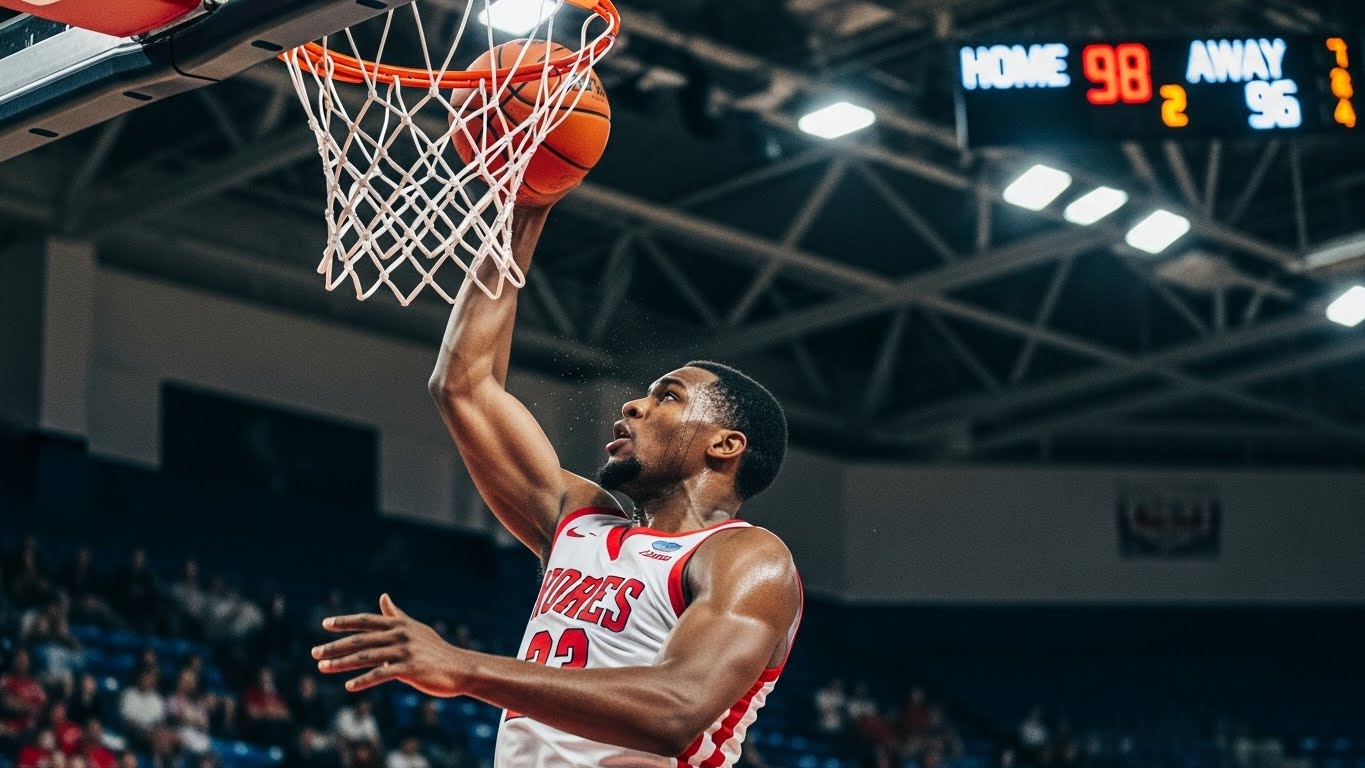
Sports have always been more than games. They are emotional theaters where millions gather to celebrate triumph, mourn defeat, and witness the heights of human potential. Whether you follow global tournaments or local school competitions, sports weave stories that connect people across backgrounds, beliefs, and generations. In today’s fast-paced world, these connections matter even more. This blog explores not only how sports influence individuals and societies but also how they continue to evolve in ways that redefine competition, technology, culture, and personal growth.
The Emotional Power of Athletic Competition
When athletes step onto a field, court, or track, they carry more than skill—they bring passion, fear, resilience, and hope. These emotions are the heartbeat of sports. Fans feel them too, whether they are shouting from stadium seats or watching from their living rooms. The thrill of a last-second victory or the heartbreak of a narrow loss stays with us because sports activate something universal: our desire to strive, to belong, and to witness greatness. This emotional resonance explains why sporting moments often imprint themselves on history and collective memory long after the final whistle.
How Sports Build Stronger Individuals
Athletes often reflect qualities that society values: discipline, teamwork, courage, perseverance, and adaptability. These traits don’t appear overnight; they take years of training, failure, and growth. Sports also teach important life lessons. Losing a game may seem devastating, but it offers a chance to build resilience and humility. Winning teaches confidence and strategic thinking. Even casual players feel these benefits. Whether someone is running at dawn, playing weekend basketball, or learning a new sport in adulthood, the process builds mental strength and personal pride. Sports offer structure, purpose, and a sense of identity that people carry into every aspect of life.
Sports as a Tool for Community and Unity
Few things bring people together like sports. Entire cities unite behind local teams, families bond over shared fandom, and communities come alive during tournaments and championships. Sporting events also create opportunities to meet new people and form friendships. Children learn teamwork and social skills through youth leagues, while adults join clubs and recreational teams to stay active and connected. Even global events highlight unity: when athletes from dozens of nations walk side-by-side, competition becomes a celebration of diversity and peace. Sports offer a language everyone speaks, transcending borders and cultures.
The Growing Role of Technology in Modern Sports
From performance-tracking devices to advanced coaching analytics, technology now plays a major role in the sports world. Wearable sensors measure heart rate, muscle strain, and real-time movement patterns, giving athletes deeper insight into their training needs. Coaches use data analytics to evaluate strategies, identify weaknesses, and improve team performance. Fans also benefit from technology through immersive viewing experiences, instant replays, virtual reality, and personalized stats during broadcasts. While some debate whether technology makes sports too controlled, it undeniably enhances safety, fairness, and competitive excitement.
The Rise of New Sports and Changing Fan Culture
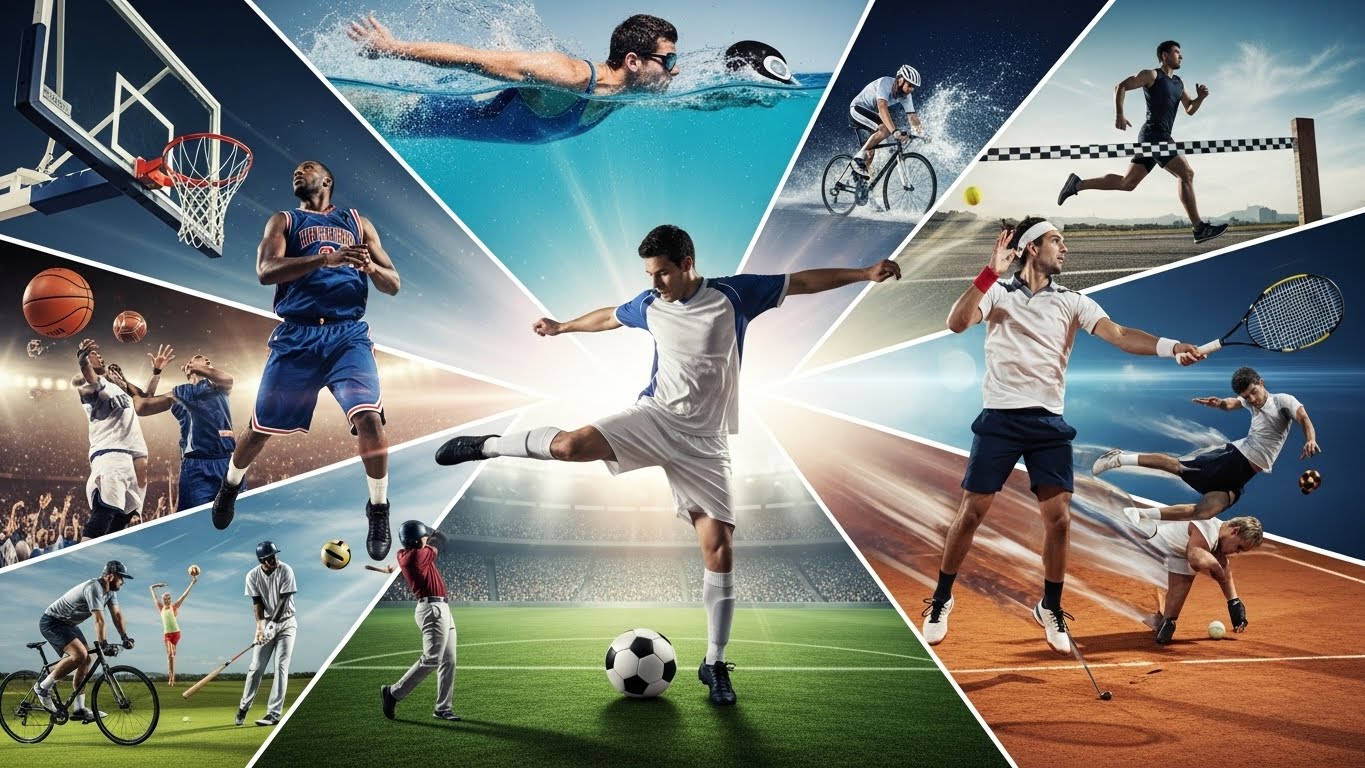
Traditional sports such as football, basketball, cricket, and athletics remain immensely popular, but new forms of competition are gaining momentum. Adventure sports, mixed martial arts, and tactical team games have attracted younger audiences worldwide. Meanwhile, fan culture itself is evolving. Social media gives supporters direct access to athletes and teams, allowing them to follow training sessions, behind-the-scenes moments, and personal stories. Online communities create discussions, share analyses, and celebrate achievements instantly. Fans today are more involved and informed than ever, turning sports into a dynamic, interactive experience.
Inclusivity and Representation: Expanding the Playing Field
One of the most positive modern developments in sports is the movement toward inclusivity. Women’s leagues are gaining recognition and investment, para-athletes are receiving global respect, and athletes from diverse backgrounds are breaking barriers across many disciplines. Sports organizations are increasingly focused on providing equal opportunities, improving accessibility, and empowering underrepresented communities. This shift enriches competition and introduces new stories of courage, determination, and breakthrough performances. When more people see themselves represented, sports become a powerful force for social progress.
Youth Development and the Importance of Grassroots Programs
Grassroots sports programs remain essential for nurturing talent and promoting healthy lifestyles. They are often the first step in an athlete’s journey, teaching children teamwork, discipline, and physical literacy. These programs provide safe spaces for young people to express themselves, build confidence, and develop social bonds. Communities benefit as well; strong youth sports programs reduce inactivity, encourage school engagement, and foster supportive environments. The future of sports depends heavily on these early foundations, which shape not only athletes but well-rounded individuals.
The Mental Health Conversation in Sports
A decade ago, athletes rarely spoke publicly about mental health. Today, the conversation has shifted dramatically. Many high-profile competitors have shared their struggles with stress, anxiety, burnout, and pressure. This transparency helps break stigma and encourages others to seek help. Teams are hiring sports psychologists, creating mental wellness programs, and educating athletes about emotional resilience. Fans are also learning to see athletes as humans first, realizing that mental strength is just as important as physical ability. This shift represents a healthier, more compassionate era for global sports.
Sports, Economy, and Opportunity
Sports drive massive economic activity—from ticket sales and merchandise to broadcasting rights, tourism, and sponsorships. Major events can boost local economies by creating jobs and attracting visitors. For athletes, sports offer career paths that extend beyond competition. Coaching, sports medicine, event management, journalism, and administration are growing industries that provide diverse opportunities. As sports continue to expand globally, they offer even more potential for economic growth and innovation. The financial impact of sports supports communities and creates vibrant industries with far-reaching influence.
The Future of Sports: What Lies Ahead
As society evolves, so does the world of sports. We can expect more advanced technology, greater inclusivity, environmentally conscious events, and deeper fan engagement. Training methods will continue to improve, competitions will become more global, and new sports will emerge. Virtual and augmented reality may reshape the way fans watch games, while artificial intelligence could revolutionize coaching and athlete development. Yet, despite these changes, the essence of sports will remain the same: passionate competition, unforgettable moments, and the human spirit striving for excellence.
Conclusion: The Timeless Magic of Sports
Sports touch nearly every aspect of life—our health, our relationships, our communities, and our culture. They push us to dream bigger, move faster, and reach higher. They inspire children to believe in themselves, adults to stay strong, and societies to unite in moments of shared pride and excitement. Even as technology transforms how we watch and play, the core values of sports endure. The magic of competition, the beauty of teamwork, and the celebration of human achievement will always make sports a powerful force in the world. Whether we play, watch, or simply cheer from afar, sports remind us that greatness is always within reach.