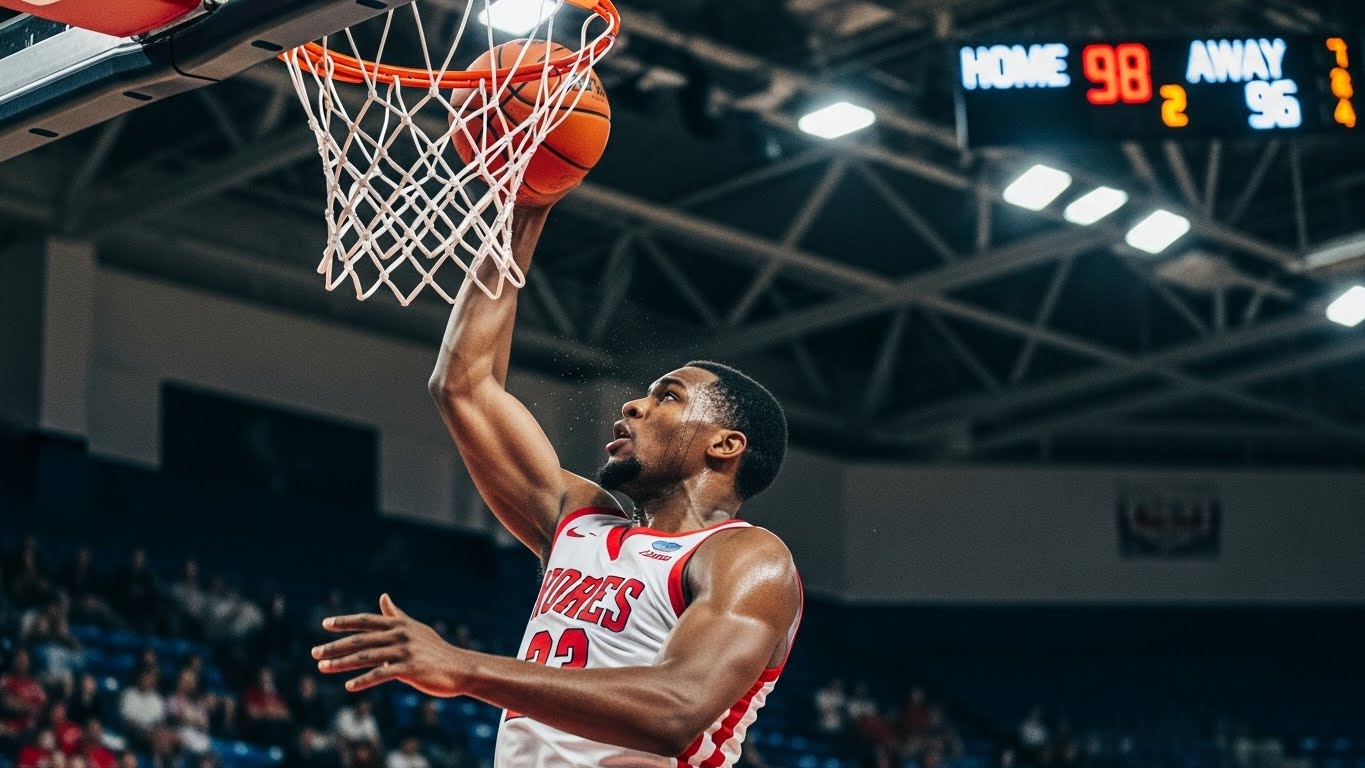
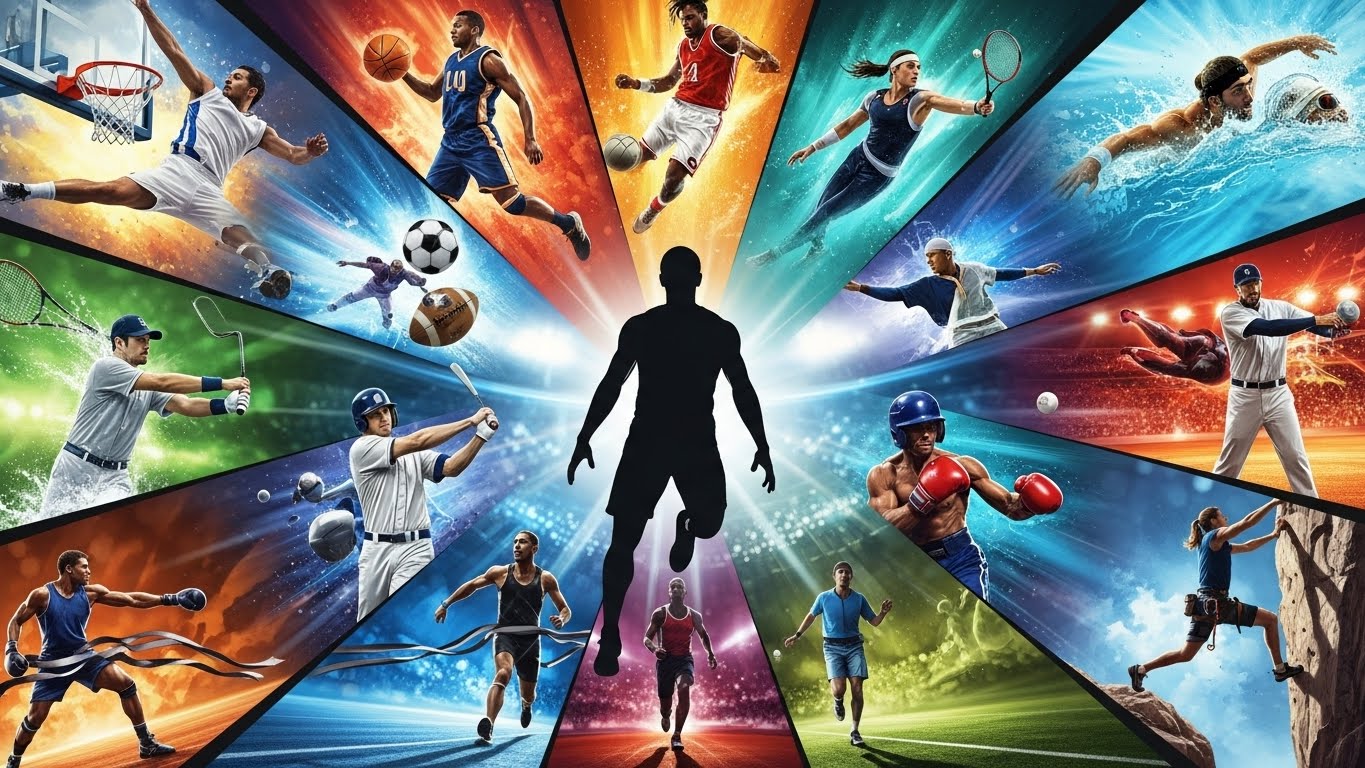
Sports have been an integral part of human culture for thousands of years. From ancient civilizations to modern-day leagues, sports have transcended borders, languages, and cultures, uniting people from all walks of life. Whether it’s the thrill of watching a World Cup final, the spectacle of the Olympics, or the emotional highs and lows of a local match, sports possess a unique ability to bring people together, inspire individuals, and shape communities. In this blog post, we will explore the multifaceted impact of sports on society, the global appeal they hold, and why they continue to be an essential part of our lives.
The Birth of Sports: From Ancient Traditions to Organized Competitions
The history of sports dates back to ancient civilizations, where physical contests were not only a way to showcase strength and skill but also held cultural, religious, and societal significance. In ancient Greece, the Olympic Games were founded in 776 B.C. as a way to honor the gods and celebrate human achievement. These games, which included events such as foot races, wrestling, and chariot racing, laid the foundation for the modern-day Olympic Games, which continue to unite nations every four years.
Ancient cultures around the world, from the Mayans with their ball games to the Chinese with their martial arts, developed sports that were deeply intertwined with their traditions and values. Over time, sports became not only a form of entertainment but also a way to promote physical fitness, community cohesion, and even political power.
As societies advanced, so did the organization of sports. The creation of formal leagues, professional athletes, and global competitions gave rise to the modern sports we know today. The rise of the English Premier League, the National Football League, and Major League Baseball, to name a few, transformed sports from amateur pastimes to professional, multi-billion-dollar industries.
The Universal Language of Sports: A Global Connection
One of the most fascinating aspects of sports is their universal appeal. Regardless of race, religion, or nationality, sports bring people together. They create a shared experience, a common ground where individuals from different backgrounds can connect over a game. Whether it’s a local cricket match in India, a football game in Brazil, or a basketball game in the United States, sports offer a language that transcends all barriers.
The FIFA World Cup, for example, is watched by billions of people worldwide, making it one of the largest and most inclusive sporting events on the planet. Fans, from rural villages in Africa to the bustling cities of Europe, unite in their love for the game. This sense of community and shared experience is not limited to just football. The Olympics, Wimbledon, the Super Bowl, and the Tour de France all provide opportunities for people from every corner of the globe to come together in celebration of athleticism, skill, and competition.
Sports also serve as a powerful tool for diplomacy and global peace. Many nations have used sports as a means of building bridges with others, fostering mutual understanding, and even resolving conflicts. The 1995 Rugby World Cup in South Africa, famously depicted in the movie Invictus, is one such example where sports played a pivotal role in healing a nation divided by apartheid.
The Benefits of Sports: From Physical Health to Mental Resilience
The benefits of sports extend far beyond entertainment. Regular participation in physical activities, whether competitive or recreational, offers numerous health benefits. Physical sports help improve cardiovascular health, build muscle strength, increase flexibility, and promote overall fitness.
Exercise also plays a critical role in combating modern health challenges such as obesity, heart disease, and diabetes. As sedentary lifestyles become more common in the digital age, engaging in sports is more important than ever in promoting a healthy lifestyle.
However, the benefits of sports go beyond just physical health. Sports also have a profound impact on mental well-being. Regular participation in sports has been shown to reduce stress, anxiety, and depression. The discipline required in training, the joy of success, and the camaraderie of being part of a team all contribute to a positive mental state.
Moreover, sports teach resilience and perseverance. Athletes face numerous challenges—injuries, defeats, and personal struggles—but the nature of sports teaches them how to overcome adversity and stay focused on their goals. These qualities extend to all aspects of life, equipping individuals with the mental fortitude to tackle challenges, work in teams, and strive for excellence.
The Power of Sports in Society: Shaping Communities and Individuals
Sports have the unique ability to shape societies and influence individuals in profound ways. At a community level, sports foster a sense of belonging. Local sports teams—whether in soccer, basketball, or any other sport—create a shared identity and serve as a source of pride for neighborhoods and towns. The collective joy of winning a local championship or the community support for a struggling team strengthens bonds and creates lasting memories.
In addition, sports offer a platform for social change. Over the years, athletes have used their prominence to speak out on social issues, challenge racial inequality, and advocate for gender equality. Figures such as Muhammad Ali, Jackie Robinson, and Billie Jean King have transcended the world of sports to become symbols of resistance and change, using their voices to fight for justice both within and beyond the playing field.
The influence of sports on youth development is particularly significant. For young people, sports provide a healthy outlet for energy and creativity. Youth sports programs promote teamwork, discipline, and leadership skills, while also helping kids develop confidence and self-esteem. Moreover, many young athletes dream of playing professionally, and the aspiration to reach the pinnacle of their sport can be a powerful motivator for personal growth.
Sports also provide a platform for individuals to break barriers and challenge stereotypes. Women’s sports, for instance, have gained significant visibility and respect in recent decades, with athletes like Serena Williams, Megan Rapinoe, and Simone Biles paving the way for future generations. The growth of women’s sports leagues, from the WNBA to the women’s football teams, reflects the ongoing fight for equality and recognition in the athletic world.
The Economic Impact of Sports: A Billion-Dollar Industry
The economic impact of sports is staggering. Sports are no longer just a form of recreation; they are a massive industry that generates billions of dollars each year. This includes ticket sales, broadcasting rights, sponsorship deals, merchandise, and even tourism related to major events. The Super Bowl, for instance, generates billions of dollars in revenue annually, and the FIFA World Cup’s economic footprint is similarly enormous.
The sports industry also creates millions of jobs worldwide, from coaches and athletes to marketers, event planners, and broadcasters. In many cities, professional sports teams are a key economic driver, providing jobs, boosting tourism, and stimulating local businesses. The construction of stadiums and arenas also brings investment and infrastructure development, helping to revitalize urban areas.
Furthermore, sports offer countless opportunities for entrepreneurs. From sports apparel and equipment companies to media companies that cover games, the sports industry provides a thriving marketplace for innovation. New sports technologies, like wearable fitness trackers and VR sports experiences, are creating new business models and opportunities.
The Future of Sports: Technology, Diversity, and New Frontiers
As we look to the future, sports will continue to evolve in response to technological advancements and changing societal norms. One of the biggest trends shaping the future of sports is the rise of digital technology. From virtual reality (VR) and augmented reality (AR) to artificial intelligence (AI) and big data, technology is changing how we watch, play, and engage with sports.
Virtual reality, for example, could revolutionize fan experiences, allowing spectators to experience live games from the comfort of their homes in immersive 360-degree views. AI is also being used to enhance coaching and performance analysis, allowing athletes to optimize their training regimens and maximize their potential.
Another important aspect of the future of sports is the increasing focus on inclusivity and diversity. As society becomes more aware of issues related to gender, race, and disability, sports organizations and athletes are striving to make sports more inclusive. Paralympic athletes are gaining recognition and respect, and women’s sports leagues are steadily growing in popularity and visibility.
The integration of esports into the broader sports landscape is another emerging trend. With millions of fans worldwide, esports is becoming a legitimate form of competition on par with traditional sports, offering new opportunities for players, teams, and broadcasters.
Conclusion: The Enduring Power of Sports
Sports are much more than just games; they are a universal language, a source of personal and societal development, and a global industry. Whether it’s the physical and mental benefits, the ability to unite people from diverse backgrounds, or the economic impact they generate, sports have an undeniable influence on our world.
As we move forward, sports will continue to evolve, embracing new technologies, promoting inclusivity, and inspiring future generations. Their role in our lives will remain a vital one, offering a shared experience, personal growth, and a powerful way to connect with others. Whether we’re playing, watching, or supporting, sports will continue to be a cornerstone of human culture for generations to come.