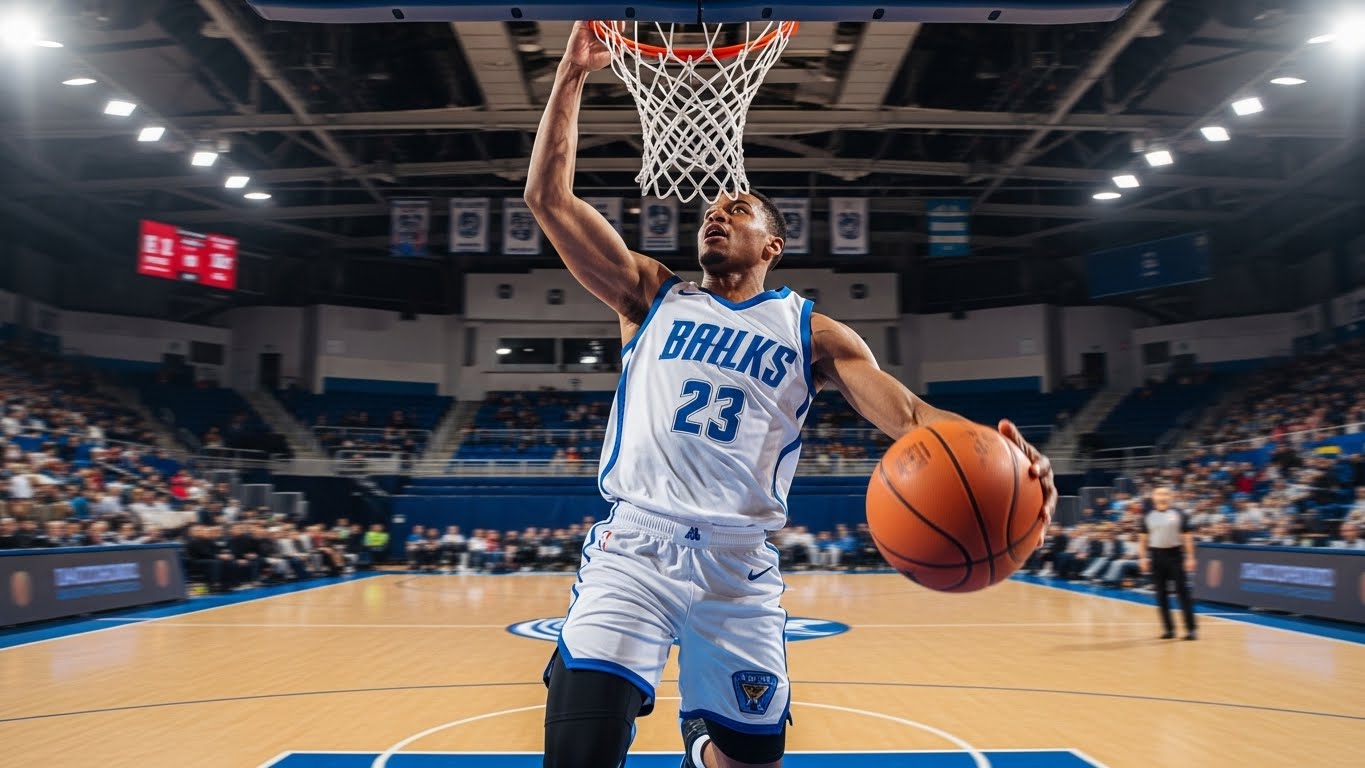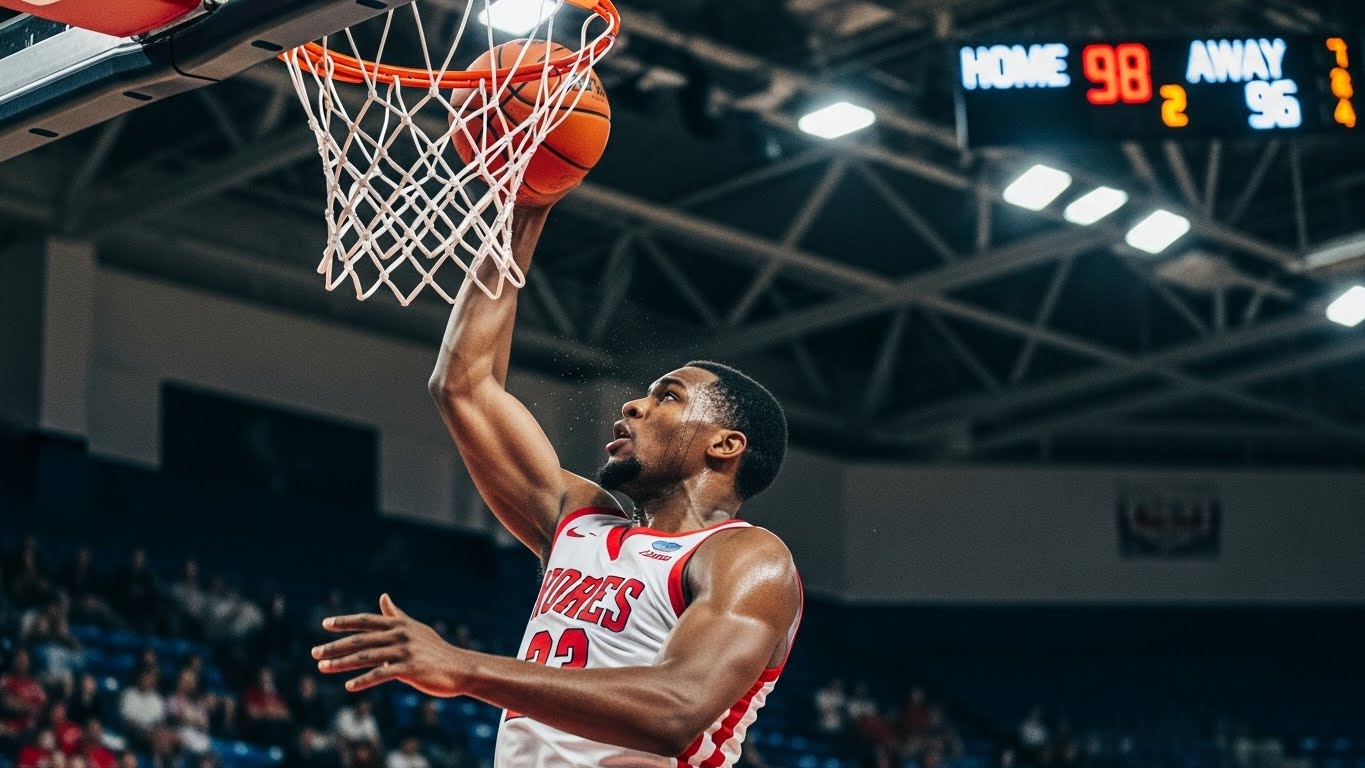

Sports have been an intrinsic part of human culture for centuries, offering not just entertainment but also a sense of purpose, connection, and personal growth. Whether played on a professional stage or casually in a local park, sports hold a unique power to impact individuals and communities alike. This blog will explore why sports go beyond competition, shedding light on the far-reaching benefits they provide in shaping our physical health, mental toughness, and social relationships.
The Unifying Power of Sports
One of the most captivating aspects of sports is their ability to unite people across the world. Regardless of age, background, or nationality, sports create a shared experience that transcends boundaries. Whether it’s a local football match or an international event like the Olympics, sports bring individuals together with a common purpose: to compete, cheer, and celebrate. The universal language of the game connects us all, making us feel part of something greater than ourselves.
In every corner of the world, people gather to celebrate the thrill of victory and the agony of defeat, united by their passion for the game. In that sense, sports act as a universal thread weaving through different cultures, offering a common platform for expression, joy, and solidarity.
Physical Health: A Lifelong Investment
The most obvious benefit of sports is the improvement in physical health. From running and cycling to team sports like basketball and soccer, physical activity is a key factor in maintaining a healthy lifestyle. Engaging in sports regularly helps increase cardiovascular fitness, muscle strength, and overall endurance. But the benefits go beyond just being fit.
Sports also help in enhancing motor skills, improving flexibility, and boosting bone health. For children and adolescents, physical activity through sports is essential for proper growth and development. Even for adults, participating in sports can be a great way to stay active, combat stress, and manage weight. The holistic approach that sports take in nurturing the body is unmatched by most other activities, offering a fun and engaging way to stay healthy over a lifetime.
Mental Resilience: Building Stronger Minds
While physical strength is important in sports, mental toughness often plays an even bigger role in achieving success. The pressure of performing under intense conditions, the ability to recover from setbacks, and the drive to continuously improve are all mental challenges athletes face daily. It is this mental resilience that separates great athletes from the good ones.
Sports teach us how to stay focused under pressure, how to push through moments of self-doubt, and how to maintain a positive attitude even in the face of defeat. Learning to stay calm in the most stressful situations is a skill that extends far beyond the playing field. In life, this mental fortitude helps individuals navigate challenges, persevere through difficulties, and remain disciplined in the pursuit of their goals.
Teamwork and Collaboration: Lessons in Unity
In sports, success is rarely a solo effort. Whether it’s passing the ball in soccer, setting up a teammate in basketball, or working together to finish a relay race, collaboration is key. Team sports provide the perfect environment to learn about cooperation, communication, and mutual support.
These are crucial life skills that benefit individuals in all aspects of life. Whether in the workplace, in school, or in personal relationships, the ability to work effectively with others is essential. Sports provide an environment where people can practice these skills in real-time, forging bonds of trust and teamwork that can last a lifetime.
Through sports, athletes learn that personal success is often tied to the success of the group. The value of selflessness, knowing when to lead and when to support, is one of the most important lessons taught by team sports.
Overcoming Adversity: Growth Through Challenge
One of the core values sports instill is resilience in the face of adversity. No athlete reaches the top without facing challenges, setbacks, and failures along the way. Whether it’s a tough loss, an injury, or a personal disappointment, sports provide the opportunity to confront adversity head-on.
It is through these tough moments that athletes often experience the most growth. The ability to pick oneself up after a fall, learn from mistakes, and return even stronger is a valuable lesson for everyone. Life, just like sports, is filled with ups and downs. The challenges we face in the game prepare us to handle the obstacles we encounter outside of it, teaching us perseverance and the importance of never giving up.
The Joy of Competition: Self-Improvement and Satisfaction
At the heart of sports is competition, but competition does not always mean defeating others. For many athletes, the greatest competition is with themselves. Personal bests, self-improvement, and the satisfaction of seeing progress over time are often the driving forces behind an athlete’s dedication.
The thrill of competition lies in testing one’s own limits, in achieving something that was once thought impossible. For some, winning a game or a medal is the ultimate goal. For others, the joy comes from the progress they make in honing their skills. Either way, sports offer an avenue for personal achievement and a sense of fulfillment that goes beyond just the scoreboard.
Sports as a Cultural and Social Movement
Sports have also played a significant role in cultural and social movements. From the civil rights struggles in the United States to the unifying role sports played during times of war, sports have often been at the forefront of social change. The visibility and popularity of sports have allowed athletes to use their platforms to speak out on important issues, raising awareness and inspiring action.
Whether it’s advocating for equality, raising funds for charitable causes, or simply being a role model for younger generations, sports can be a powerful tool for creating social impact. This ability to connect with and inspire others is what makes sports so much more than just a game; they are a reflection of our values, aspirations, and shared humanity.
Conclusion: The Enduring Impact of Sports
Sports have always been a reflection of human excellence, teamwork, and resilience. They teach us valuable life lessons, provide an outlet for physical and mental growth, and offer us opportunities to connect with others. Whether we participate in them as athletes or fans, sports shape who we are as individuals and as a society. The impact of sports extends far beyond the final whistle or the scorecard. They offer us a way to challenge ourselves, to learn from each other, and to grow both physically and mentally.
In a world that is constantly evolving, sports remain a timeless reminder of the power of passion, perseverance, and the human spirit.