Introduction: More Than Just a Game
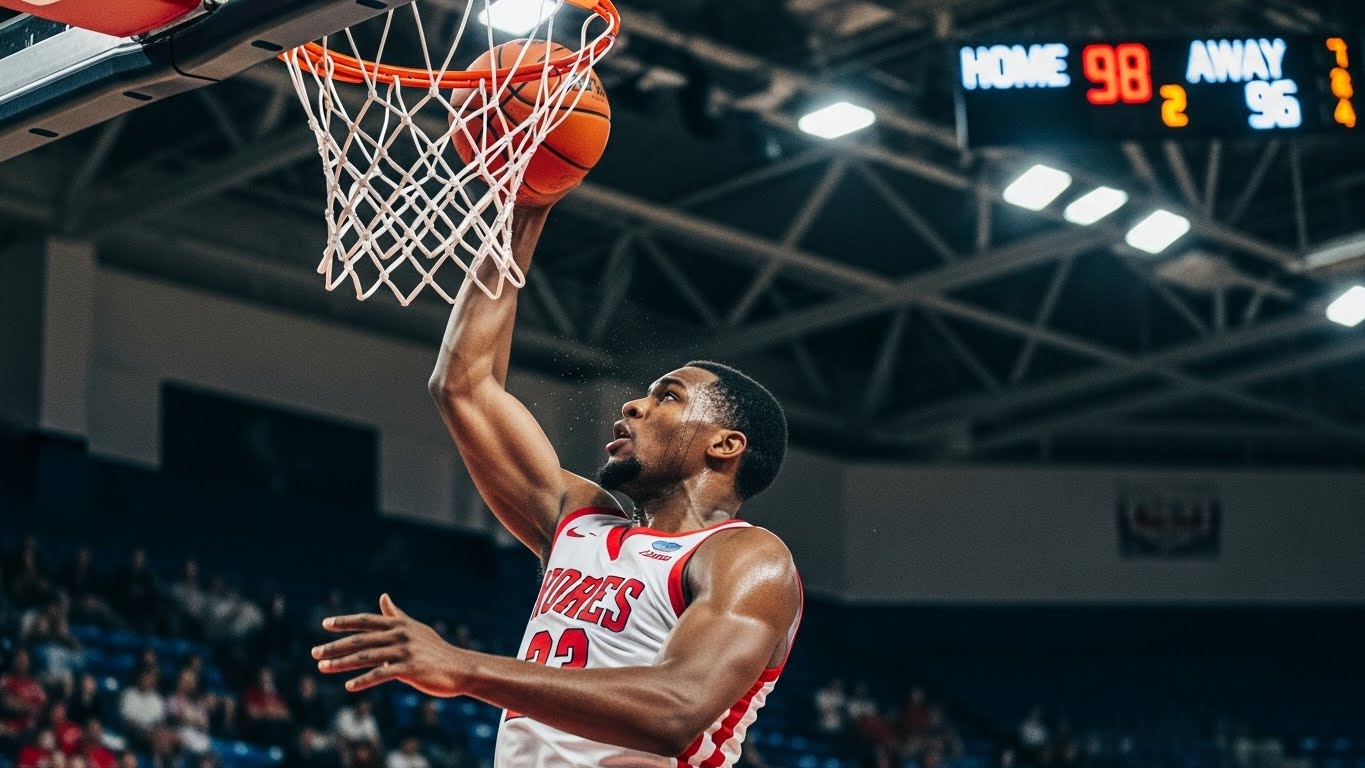
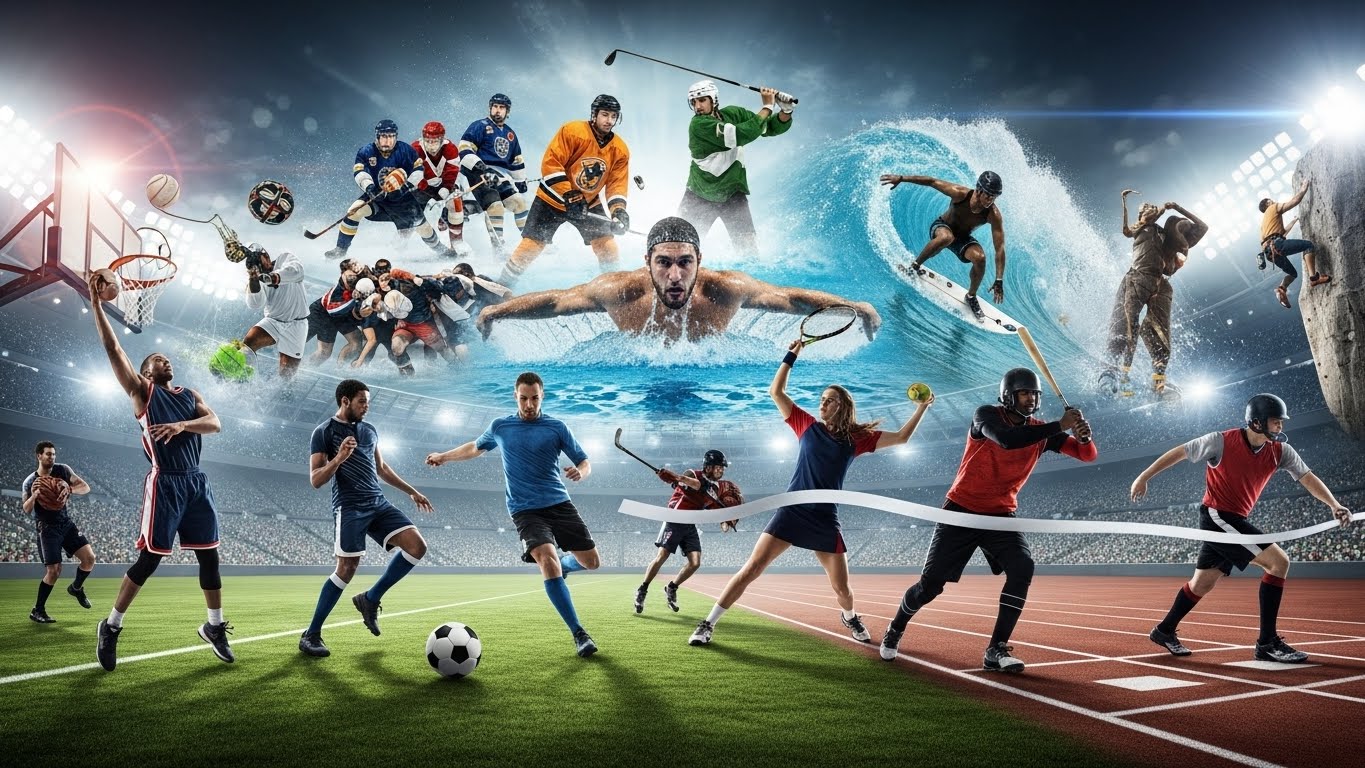
Sports have always held a special place in human society. From ancient civilizations that celebrated physical contests to modern stadiums filled with roaring fans, sports go far beyond simple competition. They represent passion, discipline, unity, and personal growth. While many people view sports mainly as entertainment or a way to pass time, their influence reaches much deeper into our daily lives. Sports shape character, reflect cultural values, build communities, and inspire generations. Understanding sports only through wins and losses misses the true essence of their power.
The Historical Roots of Sports in Human Life
The connection between sports and humanity dates back thousands of years. Ancient Greeks organized the Olympic Games to honor physical excellence and spiritual balance. In many early societies, sports were linked to survival skills such as running, wrestling, and archery. These activities trained individuals for war, hunting, and self-defense. Over time, sports evolved into organized forms with rules and shared values. They became a way to express identity, pride, and unity. This long history shows that sports have always been closely tied to human development and social structure.
Sports as a Builder of Character and Discipline
One of the most powerful impacts of sports is their ability to shape character. Participation in sports teaches discipline, commitment, and responsibility. Athletes learn that success does not come overnight but requires consistent effort, patience, and self-control. Training schedules, fitness routines, and teamwork demand focus and dedication. Losing a match teaches humility, while winning encourages confidence balanced with respect. These lessons extend far beyond the playing field and help individuals face real-life challenges with resilience and determination.
The Role of Sports in Physical and Mental Health
Sports play a crucial role in maintaining physical health. Regular physical activity improves strength, flexibility, and endurance while reducing the risk of many diseases. However, the benefits are not limited to the body alone. Sports are equally important for mental well-being. Physical activity helps reduce stress, anxiety, and depression by releasing positive hormones in the brain. Team sports also provide emotional support, a sense of belonging, and opportunities to socialize. In a fast-paced world filled with pressure, sports offer a healthy outlet for both body and mind.
Sports and the Spirit of Teamwork
Teamwork is at the heart of most sports. Whether on a football field, cricket pitch, or basketball court, success depends on cooperation and trust. Players must understand each other’s strengths and weaknesses, communicate effectively, and work toward a shared goal. This spirit of teamwork teaches valuable life skills such as leadership, empathy, and collaboration. Individuals learn that personal talent alone is not enough and that collective effort leads to greater achievements. These lessons are essential in workplaces, families, and communities.
Cultural Identity and National Pride Through Sports
Sports often serve as a mirror of cultural identity. Traditional games, playing styles, and fan rituals reflect the values and history of a society. On an international level, sports become a source of national pride. When athletes represent their country, they carry the hopes and emotions of millions. Major tournaments unite people across social and economic differences, creating moments of shared joy and heartbreak. Sports have the unique ability to bring nations together, even during times of political or social tension.
The Influence of Sports Heroes and Role Models
Athletes often become role models, especially for young people. Their dedication, perseverance, and achievements inspire others to chase their dreams. Sports heroes demonstrate that hard work can overcome obstacles such as poverty, injury, or failure. At the same time, they carry great responsibility. Their behavior on and off the field influences public attitudes and values. When athletes show humility, fairness, and respect, they send powerful messages that success should be accompanied by integrity and compassion.
Sports as a Tool for Social Change
Beyond entertainment, sports have the power to drive social change. They can challenge discrimination, promote equality, and encourage inclusion. Many sports platforms have been used to raise awareness about social issues and give a voice to the marginalized. Community sports programs help keep youth engaged, teach life skills, and reduce negative behaviors. By bringing people together regardless of background, sports create spaces where mutual respect and understanding can grow.
The Economic Impact of the Sports Industry
The sports industry has become a significant part of the global economy. It creates employment opportunities for athletes, coaches, trainers, organizers, and media professionals. Sporting events boost tourism, support local businesses, and generate revenue for cities and countries. While the business side of sports has grown rapidly, it also raises questions about fairness, commercialization, and access. Balancing financial growth with the true spirit of sports remains an ongoing challenge.
Technology and the Modern Evolution of Sports
Technology has transformed how sports are played, watched, and analyzed. Advanced equipment improves performance and safety, while data analysis helps teams refine strategies. Fans can now experience sports through live broadcasts, instant replays, and interactive platforms. While technology enhances accuracy and engagement, it also changes the traditional experience of sports. The challenge lies in using technology to support fairness and enjoyment without losing the human emotion that makes sports special.
Challenges Facing Sports in Today’s World
Despite their positive impact, sports face several challenges. Issues such as doping, corruption, and excessive pressure on athletes threaten the integrity of competition. Young athletes often face unrealistic expectations that affect their mental health. Additionally, unequal access to sports facilities limits opportunities for many communities. Addressing these challenges requires strong leadership, ethical values, and a focus on athlete well-being rather than only results.
The Future of Sports and Human Connection
As society evolves, sports will continue to adapt and grow. New formats, mixed-gender competitions, and inclusive programs are shaping a more diverse sporting world. The future of sports depends on preserving their core values while embracing positive change. At their best, sports remind us of our shared humanity. They teach us to strive, to respect rules, to celebrate effort, and to accept both victory and defeat with grace.
Conclusion: The Lasting Power of Sports
Sports are far more than games played on fields or courts. They are a powerful force that shapes individuals, unites communities, and reflects the values of society. Through discipline, teamwork, and resilience, sports prepare people for the challenges of life. They inspire dreams, create heroes, and build bridges across cultures. In a world often divided by differences, sports remain a universal language that speaks of effort, hope, and human potential.