Introduction: The Power of Sports in Modern Society
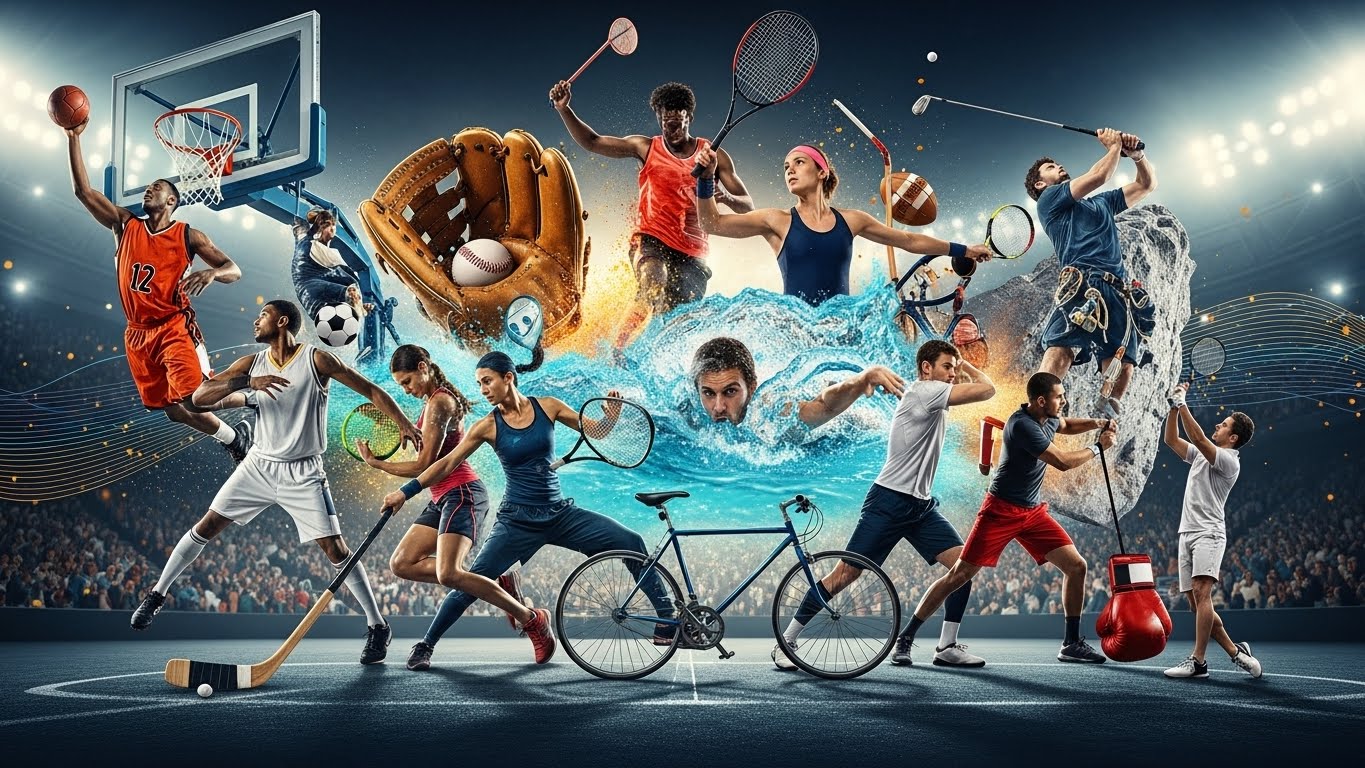
Sports are more than just games; they are a reflection of culture, a source of entertainment, and a catalyst for personal growth. From grassroots activities in local parks to grand international competitions, sports have the power to unite people, inspire change, and shape character. In today’s fast-paced world, where technology and entertainment often dominate, sports remain one of the few universal experiences that combine physical activity, mental strength, and social connection. They are a medium through which values like discipline, teamwork, and perseverance are taught, celebrated, and shared across generations.
The Historical Evolution of Sports
The origins of sports trace back thousands of years. Ancient civilizations, from the Greeks to the Chinese, valued physical competitions as a way to showcase skill, strength, and strategy. The ancient Olympic Games were one of the earliest examples of organized sports, emphasizing not only athleticism but also honor, discipline, and unity. Over centuries, sports evolved into structured competitions, eventually forming leagues, professional organizations, and international governing bodies.
In modern times, sports have become more than just a form of physical activity; they have grown into a global industry, influencing culture, economy, and entertainment. Innovations in equipment, training methods, and infrastructure have expanded the possibilities, making sports safer, more competitive, and widely accessible than ever before.
Physical Benefits of Sports
The physical benefits of engaging in sports are profound. Regular participation strengthens the cardiovascular system, improves flexibility, enhances coordination, and boosts overall fitness levels. Different sports target different muscle groups and skills, allowing individuals to select activities suited to their abilities and interests. For instance, swimming improves endurance and lung capacity, while running enhances stamina and leg strength.
Sports also play a preventive role in health. By maintaining physical activity, individuals reduce the risk of chronic conditions such as obesity, diabetes, and heart disease. Beyond physical health, active participation in sports instills healthy lifestyle habits that often persist throughout a person’s life, encouraging wellness and longevity.
Mental and Emotional Benefits of Sports
Sports are as beneficial to the mind as they are to the body. They provide an outlet for stress relief, improve focus, and enhance problem-solving abilities. Engaging in sports requires mental discipline, strategic thinking, and adaptability, all of which contribute to personal development.
Moreover, sports foster emotional resilience. The experience of winning instills confidence, while losing teaches humility, perseverance, and the importance of effort. Over time, athletes learn to manage pressure, handle setbacks, and remain motivated—skills that translate to everyday life challenges.
The Role of Teamwork and Collaboration
One of the most significant lessons sports teach is the value of teamwork. Team sports, such as football, basketball, and volleyball, require individuals to work together, communicate effectively, and support one another to achieve a common goal. These experiences cultivate leadership, cooperation, and mutual respect.
Even individual sports, such as tennis or athletics, often involve collaboration through coaching, strategy development, and shared training sessions. Learning to function within a team or a support network prepares athletes for future professional and personal endeavors where collaboration is essential.
The Spirit of Competition and Personal Growth
Competition is at the heart of sports, driving athletes to push beyond their limits. The pursuit of excellence motivates individuals to train harder, improve skills, and set higher goals. Winning fosters pride and satisfaction, but more importantly, the process of striving, learning, and adapting builds character.
Sports also teach critical life lessons about handling failure. Losses are inevitable, and athletes must learn to process disappointment, analyze performance, and return stronger. This resilience is invaluable, offering a blueprint for confronting challenges in all areas of life.
Sports as a Cultural and Social Connector
Sports have a unique ability to transcend social, cultural, and economic boundaries. Global tournaments, such as the Olympics or the World Cup, bring together nations in a celebration of talent, dedication, and shared passion. Fans from diverse backgrounds unite in support of their teams, forming communities bonded by enthusiasm and pride.
At a local level, sports create social cohesion by providing spaces for interaction, mentorship, and collaboration. Youth leagues, community tournaments, and school competitions nurture friendships, encourage inclusivity, and build social skills. In this way, sports act as a bridge, fostering understanding and connection among individuals and communities.
The Influence of Technology on Sports
Modern technology has revolutionized sports in multiple ways. Advanced training techniques, performance analytics, and wearable devices help athletes optimize their physical and mental performance. Video replay systems, goal-line technology, and real-time data analysis ensure fairness and accuracy in competitions, enhancing the overall experience for both players and spectators.
Technology also extends the reach of sports to audiences worldwide. Fans can now watch live events, follow athletes, and engage with content on digital platforms, making sports more accessible than ever. This connectivity deepens fan engagement, strengthens sports communities, and fuels global enthusiasm for various disciplines.
Economic and Career Opportunities in Sports
Sports are not only a source of passion and entertainment but also a significant economic driver. Professional leagues, sponsorship deals, merchandising, and broadcasting rights generate substantial revenue, providing livelihoods for millions of athletes, coaches, and support staff. Investment in sports infrastructure also creates jobs, stimulates tourism, and contributes to local economies.
Moreover, sports open pathways for careers beyond playing. Opportunities exist in coaching, sports medicine, journalism, management, and administration. The industry continues to grow, offering diverse roles that combine a love for sports with professional development and financial stability.
Sports and Youth Development
For children and teenagers, sports play a critical role in holistic development. Engaging in regular physical activity builds strength, coordination, and endurance. Simultaneously, sports teach essential life skills such as discipline, focus, time management, and goal-setting. Young athletes learn to balance academics, training, and social life, preparing them for challenges in adulthood.
Participation in sports also instills values such as fair play, empathy, and respect for rules. Youth programs encourage inclusivity, empower girls and boys equally, and provide safe spaces for personal growth. The lessons learned on the field often extend into education, relationships, and future careers, creating well-rounded individuals.
The Emotional Connection of Fans and Spectators
Sports evoke powerful emotions, creating intense connections between athletes and fans. Victories spark joy, defeats trigger heartbreak, and moments of suspense keep audiences engaged. Spectatorship provides a sense of community, as fans celebrate achievements and share experiences with friends, family, and fellow enthusiasts.
Athletes, too, experience deep emotional journeys. Dedication, sacrifice, and triumph on the field inspire millions, demonstrating the value of persistence and hard work. This emotional resonance is what makes sports unforgettable, creating stories and memories that last a lifetime.
The Future of Sports
The future of sports promises innovation, inclusivity, and expanded global reach. Emerging trends, such as e-sports and virtual competitions, are creating new avenues for engagement. Sustainable practices in stadium management, environmental awareness, and social responsibility are becoming priorities for sports organizations.
Sports will continue to evolve as technology, culture, and society progress. The integration of artificial intelligence, virtual reality, and data analytics will enhance training, fan engagement, and overall experience. Despite these advancements, the core of sports—competition, physical excellence, teamwork, and community—will remain timeless.
Conclusion: Sports as a Way of Life
Sports are much more than a hobby; they are a way of life. They shape character, strengthen communities, and inspire individuals to achieve their best. From local playgrounds to global arenas, sports teach invaluable lessons about perseverance, teamwork, and resilience. They provide joy, excitement, and a sense of belonging, making life richer and more fulfilling.
Ultimately, sports reflect the human spirit: the desire to strive, to compete, to improve, and to connect. They remind us that, whether we are players or spectators, the lessons of the game extend far beyond the field, leaving a lasting impact on our hearts, minds, and society.