Introduction: Why Sports Matter
Sports have always been more than just a competition or form of entertainment. Across cultures and generations, they serve as a universal language, connecting people through shared passion, discipline, and achievement. From casual games in neighborhoods to international tournaments broadcast worldwide, sports provide opportunities for physical health, mental growth, and social connection. They have the power to inspire, unify, and transform communities, shaping not only athletes but also the societies in which they participate.
In the modern world, sports are deeply intertwined with culture, economy, education, and technology. The impact of sports extends far beyond the playing field, influencing social norms, personal development, and global identity. This blog explores how sports affect individuals and communities, the cultural and economic significance, and the future of this ever-evolving domain.
The Origins of Sports: From Ancient Traditions to Modern Competitions
The roots of sports date back thousands of years. Ancient civilizations used games to train warriors, celebrate cultural values, and build community. In Greece, the Olympic Games exemplified excellence, honor, and unity. Wrestling, running, and chariot races were not only recreational but also a reflection of discipline and physical prowess. Similarly, ancient China developed martial arts that emphasized strength, focus, and character development.
Over time, sports became more organized. The 19th and 20th centuries saw the standardization of rules, the creation of leagues, and the rise of international competitions. Football, cricket, and athletics became globally recognized sports, while events like the modern Olympics and FIFA World Cup established international platforms for athletic talent. This evolution reflects the universal importance of sports and their enduring influence on human culture.
The Global Reach of Sports
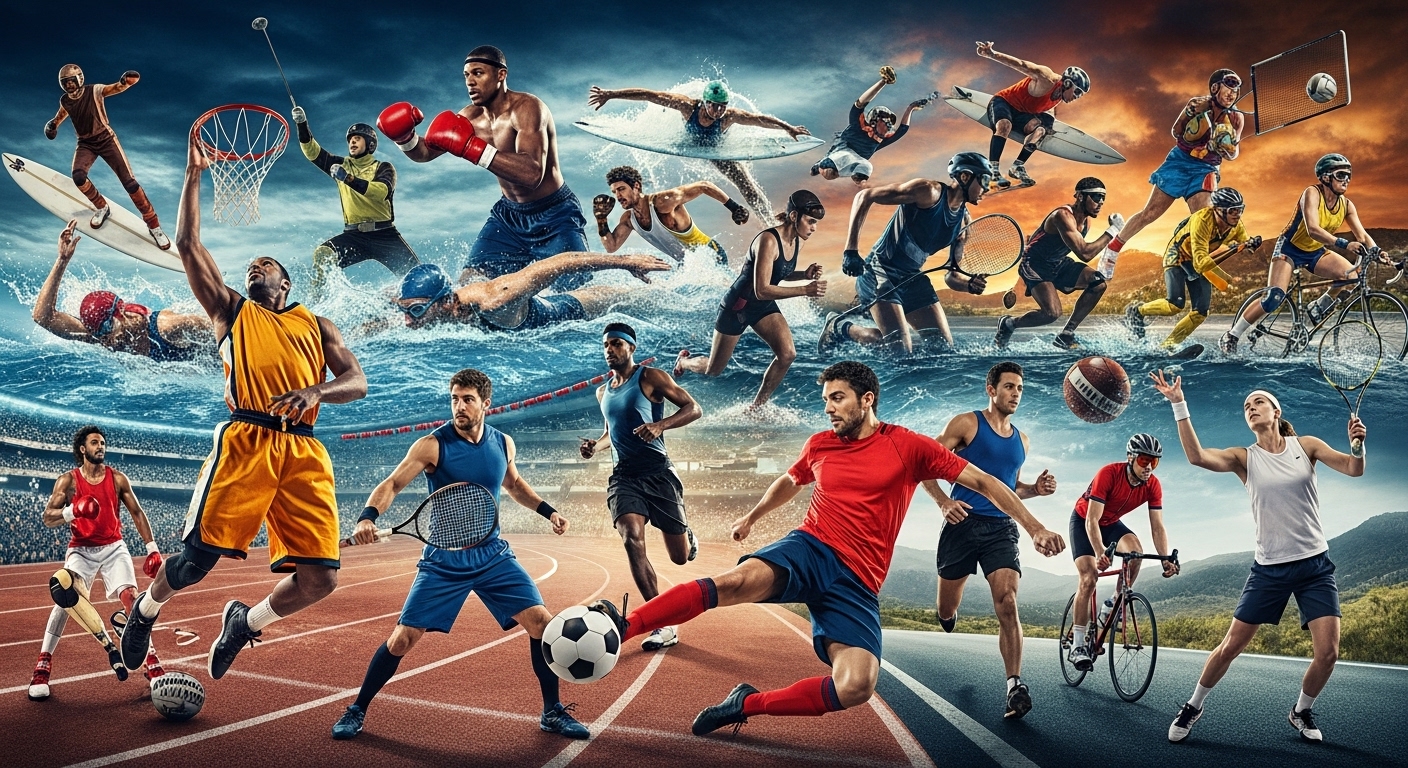
Today, sports are a worldwide phenomenon. Millions of athletes, spectators, and fans participate in or follow sporting events, creating a shared global culture. Iconic sports such as football, basketball, cricket, tennis, and athletics draw audiences from every corner of the planet. International competitions unite nations, showcase talent, and foster a sense of global camaraderie.
Sports are emotionally powerful. Fans celebrate victories, experience heartbreaks, and bond over shared passion. From local clubs to international stadiums, sports create a sense of belonging and identity, transcending age, gender, and nationality.
Physical and Mental Benefits of Sports
The most obvious benefits of sports are physical. Regular participation improves cardiovascular health, strengthens muscles, enhances flexibility, and boosts overall fitness. Engaging in sports helps prevent chronic illnesses such as heart disease, diabetes, and obesity.
Beyond physical health, sports cultivate mental resilience. Athletes develop focus, perseverance, and emotional control. Physical activity releases endorphins, which reduce stress and enhance mood. Sports also teach goal setting, patience, and self-discipline, equipping participants with essential life skills that extend well beyond the playing field.
Team Sports: Lessons in Cooperation and Leadership
Team sports like football, basketball, volleyball, and rugby emphasize collaboration. Success depends on effective communication, trust, and coordination. Players learn to support one another, adapt to various personalities, and work toward shared objectives.
Leadership is another key outcome of team sports. Captains and experienced players guide their teammates, manage strategy, and motivate others to perform at their best. These lessons in teamwork and leadership often translate into personal and professional life, showing the profound impact of team sports on character development.
Individual Sports: Self-Mastery and Discipline
In contrast, individual sports such as tennis, swimming, gymnastics, and athletics focus on personal skill and self-motivation. Athletes are accountable for their own performance, learning to manage pressure and setbacks.
Individual sports teach resilience and determination. Players develop discipline through rigorous training, set personal goals, and strive to surpass them. The journey in individual sports fosters self-confidence, mental toughness, and a strong sense of personal achievement.
Sports and Cultural Identity
Sports play a significant role in cultural identity and national pride. Football in Brazil, cricket in India, rugby in New Zealand, and baseball in the United States are more than games—they represent heritage, values, and community. Major sporting events become celebrations of culture, unity, and achievement.
Moreover, sports influence art, media, and fashion. Athletes often become cultural icons, inspiring films, literature, and music. The stories of perseverance, triumph, and struggle resonate deeply, motivating individuals and communities alike.
Education and Sports: Developing Future Leaders
Sports are a vital part of education. School and college sports programs encourage physical fitness, teamwork, and discipline. They teach students how to balance academics with extracurricular activities, fostering time management and responsibility.
Scholarships and development programs provide talented athletes with opportunities to pursue higher education and professional careers. Beyond academics, sports instill resilience, leadership, and ethical behavior, preparing young people for success in all areas of life.
Economic Impact of Sports
Sports have evolved into a major global industry. Professional leagues, tournaments, broadcasting rights, sponsorships, merchandise, and sports tourism generate billions annually. Events like the FIFA World Cup and the Olympics boost local economies, create jobs, and drive infrastructure development.
Athletes, coaches, analysts, and managers benefit from professional opportunities. Sports media and digital platforms have created entire ecosystems dedicated to reporting, analyzing, and promoting sports. The economic significance of sports highlights their importance as both entertainment and a driver of innovation.
Technology Transforming Sports
Technology has revolutionized how sports are played, observed, and managed. Instant replay and video assistant referees improve fairness, while wearable devices monitor performance and prevent injury. Advanced analytics help athletes optimize training and strategy.
Virtual reality and augmented reality offer immersive fan experiences and training simulations. Social media platforms connect fans to athletes and teams in real time, building interactive communities. Technology ensures that sports remain engaging, competitive, and accessible in the modern era.
Sports and Social Change
Sports can influence social attitudes and drive positive change. Athletes frequently use their platforms to advocate for equality, human rights, and environmental sustainability. Programs introducing sports to underprivileged communities empower youth, teach life skills, and provide safe spaces for growth.
Sports also foster diplomacy and international cooperation. Global events bring nations together, promoting understanding and peaceful competition. History shows that sports can break down barriers and unite people in ways few other activities can achieve.
Esports: A Digital Evolution of Sports
Esports has emerged as a new frontier in competitive play. Professional gaming attracts millions of participants and spectators worldwide, blending strategy, teamwork, and skill in digital arenas. Esports tournaments offer lucrative prize pools, sponsorships, and career opportunities for players, commentators, and content creators.
The rise of esports demonstrates that sports are no longer confined to physical activity—they can now exist entirely in digital spaces. This evolution ensures that the definition of sports continues to expand with technology and global trends.
The Future of Sports
The future of sports promises inclusivity, innovation, and continued global influence. Advances in technology will enhance training, performance analysis, and fan engagement. Adaptive sports will become more recognized, and opportunities for women athletes will continue to grow.
Virtual and augmented reality will create immersive experiences for both athletes and fans. Sports will remain a platform for personal growth, cultural expression, and social development, shaping new generations while retaining their traditional values.
Conclusion: Sports as a Force Beyond Competition
Sports are far more than games—they are a transformative force that shapes individuals, communities, and cultures. They promote health, build character, and teach valuable life skills. Sports unite people across borders, inspire innovation, and reflect the best aspects of human potential.
From local playgrounds to international arenas, sports continue to influence society in meaningful ways. They foster discipline, resilience, teamwork, and leadership while providing joy, entertainment, and shared experiences. As sports evolve with technology and global engagement, their impact will continue to grow, proving that the value of sports goes far beyond the arena.