Introduction: More Than Just a Game
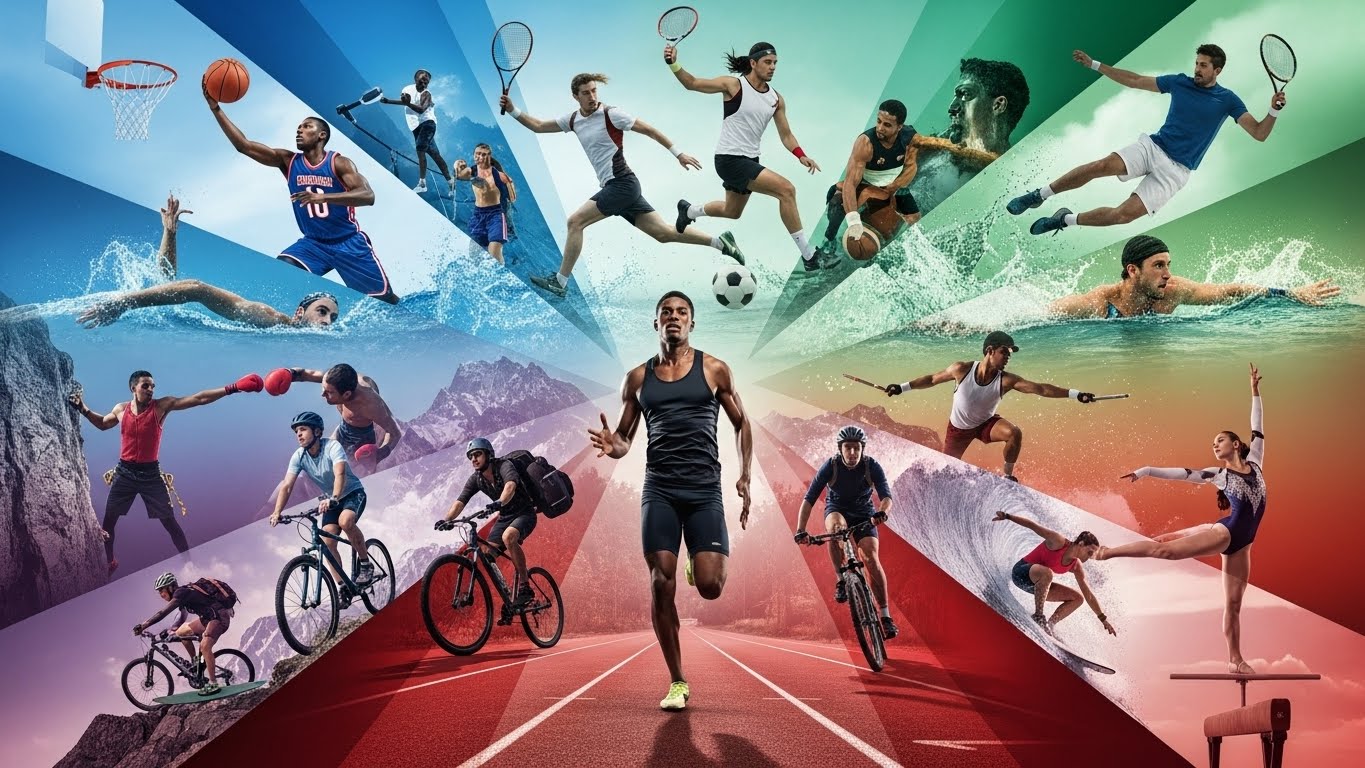
Sports have long been woven into the cultural fabric of societies around the world. From village playgrounds to grand stadiums filled with passionate fans, the energy of sports transcends geography, age, and even language. But sports are far more than entertainment or physical competition. They are a powerful force that cultivates discipline, unity, mental resilience, and social growth. This blog explores how sports continue to shape our lives and communities, celebrating their timeless influence and the many roles they play in modern society.
The Emotional Power of Sports
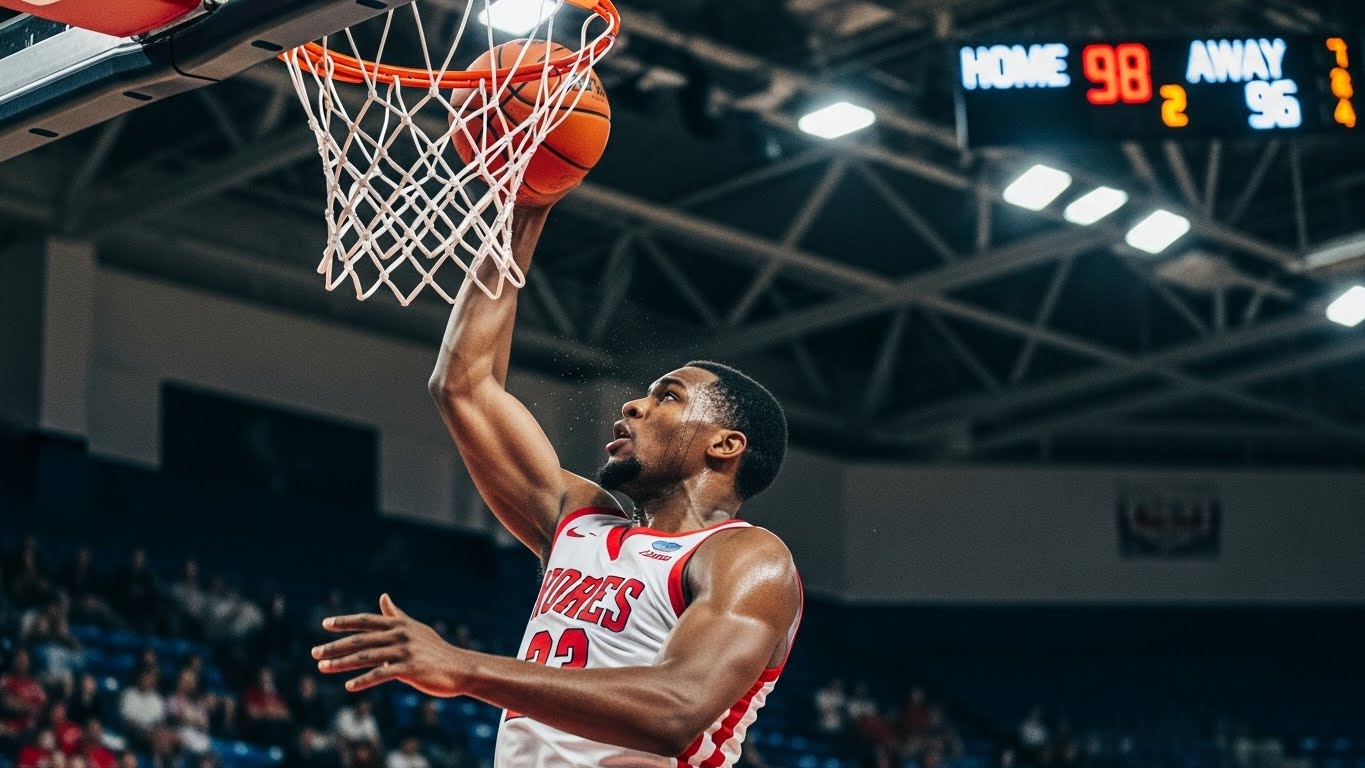
Every athlete knows the electrifying feeling of stepping onto the field, court, or track. Even spectators share in the surge of adrenaline that accompanies a closely fought match or a breathtaking comeback. Sports generate a powerful emotional connection, allowing people to experience joy, tension, hope, and excitement. This emotional bond is why fans feel deeply connected to their favorite teams, celebrating victories as personal triumphs and mourning losses as though part of the experience.
These emotions foster a sense of belonging. Supporters often identify with their teams on a deep level, creating communities built on shared passion. Whether cheering from the stands or celebrating victories with friends, sports connect individuals and strengthen social ties.
Physical Strength and Health Benefits
Sports are among the most effective ways to maintain physical health. Regular participation helps improve cardiovascular fitness, muscle strength, flexibility, and overall endurance. Activities like running, swimming, cycling, and team sports contribute to a healthier lifestyle by boosting metabolism and regulating body weight.
Moreover, sports instill habits that encourage long-term wellness. Kids who grow up playing sports often maintain active lifestyles as adults, reducing the risk of chronic illnesses such as heart disease and diabetes. Even low-intensity sports like walking football or recreational yoga contribute significantly to overall well-being, emphasizing that athletic participation is not limited to the young or elite.
Mental Strength and Resilience
The psychological benefits of sports are just as profound as the physical ones. Playing sports requires focus, patience, and emotional control. Athletes learn to manage stress, handle pressure, and stay calm amid chaos. These skills translate directly into everyday life, helping people tackle personal challenges with confidence and maturity.
Sports also teach the value of perseverance. Whether training to overcome an injury or pushing through the final minutes of an exhausting match, athletes learn that success often comes from dedication and persistence. This mindset of resilience becomes a powerful tool that guides individuals in their academic, professional, and personal endeavors.
Discipline: The Cornerstone of Athletic Success
Every successful athlete understands the importance of discipline. Training schedules, diet plans, early mornings, and constant practice all build a lifestyle centered on commitment. Athletes learn to prioritize their goals and make choices that support improvement and mastery.
This discipline reaches beyond the sports world. Students who play sports often excel academically due to their ability to focus and manage time effectively. Professionals who have athletic backgrounds frequently stand out as dependable, organized, and motivated individuals. Sports, in this sense, serve as a lifelong coach, instilling habits that shape character and achievements.
Sports as a Social Equalizer
One of the most remarkable aspects of sports is their ability to unite people, regardless of background, culture, or socioeconomic status. On the field, everyone starts with equal opportunity. Talent, effort, and teamwork become the factors that define success.
Sports break down barriers. Teammates learn to trust, support, and understand one another, fostering friendships that often extend beyond the game. Communities come together to celebrate local teams, schools bond through athletic events, and nations connect through global competitions. Sports remind us that despite our differences, we share a common human spirit.
Teamwork and Cooperation
Team sports in particular emphasize collaboration. Players must communicate effectively, trust one another, and work toward shared objectives. These lessons apply to almost every aspect of life, from workplace projects to family relationships.
Successful teams thrive not just on individual skill, but on how well players unite. Learning to value diverse strengths and navigate challenges collectively helps individuals grow into better leaders and team members. This cooperative mindset is essential in building strong, supportive communities.
Inspiration and Role Models
Athletes serve as powerful symbols of determination, courage, and excellence. Their journeys—from overcoming adversity to achieving extraordinary success—inspire millions. Children often look up to athletes as role models, finding motivation to dream big and pursue their passions with dedication.
Sports also highlight stories of perseverance. Tales of underdog victories, remarkable comebacks, and personal transformations remind us that limitations can be overcome. These stories enrich society by providing hope and encouraging individuals to push beyond their comfort zones.
Economic Impact of Sports
Beyond personal and social influence, sports play a significant role in economic development. Major sporting events contribute to tourism, job creation, and local business growth. Stadiums, training centers, and sports clubs generate revenue and provide employment opportunities for communities.
Additionally, sports industries—from apparel and equipment to broadcasting and coaching—form a significant part of the global economy. The rise of digital media, esports, and online sports communities has further expanded economic prospects, making sports a dynamic and evolving sector.
The Rise of Women in Sports
One of the most inspiring modern trends is the rise and recognition of women athletes. Female athletes continue to break barriers, challenge stereotypes, and transform sports culture. Increased representation in competitions, media, and leadership roles has opened doors for future generations of girls to pursue athletics without hesitation.
The success of women’s sports demonstrates that talent knows no gender. Their achievements highlight the importance of equality, representation, and empowerment in all fields of life.
Technology and the Future of Sports
Advancements in technology have revolutionized the sports world. Wearable devices track performance, virtual reality enhances training, and data analytics help coaches develop strategies that once seemed impossible. These innovations are pushing athletic performance to new heights and shaping the future of sports.
Fans also benefit from technological evolution, enjoying immersive viewing experiences, real-time updates, and global accessibility to live events. Technology continues to redefine what it means to participate in and enjoy sports, creating exciting possibilities for generations to come.
Sportsmanship: The Spirit That Matters Most
At the heart of sports lies sportsmanship—the respect, integrity, and fairness that define true competition. Athletes learn to win with humility and lose with dignity. They understand that the spirit of the game is more significant than the scoreboard.
Sportsmanship teaches empathy. It encourages players to support one another, appreciate effort, and value respect. These qualities help build character and make sports an essential tool for shaping ethical, compassionate individuals.
Conclusion: The Everlasting Impact of Sports
Sports are more than matches, medals, or records. They are lessons, memories, and experiences that shape who we are. They challenge us to grow, inspire us to dream, and bring us closer together. Whether you’re an athlete, a fan, or someone who simply appreciates the power of movement, sports have something to offer that stays with you for life.
As we continue to celebrate victories, cherish teamwork, and embrace challenges, sports will remain a timeless part of human culture—one that unites hearts, strengthens bodies, and uplifts spirits.