Introduction: The Universal Language of Sports
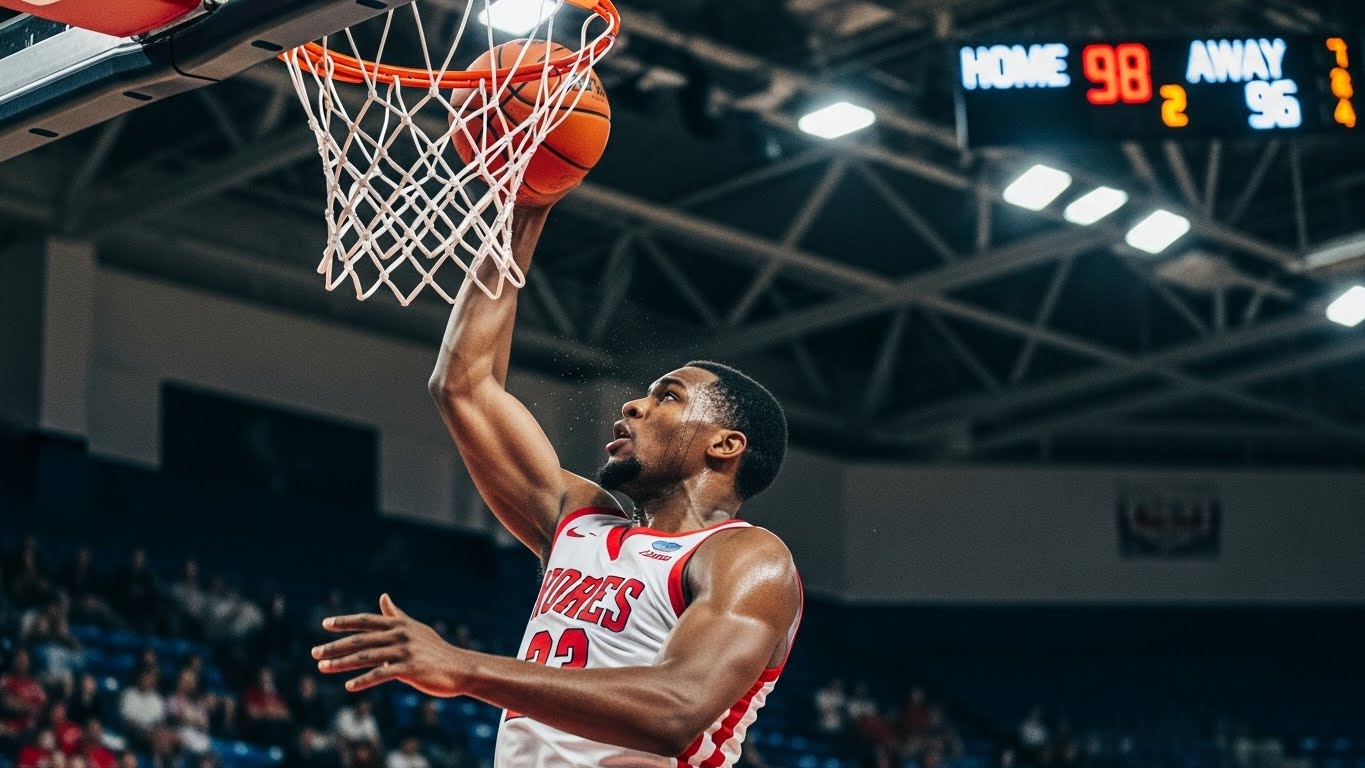
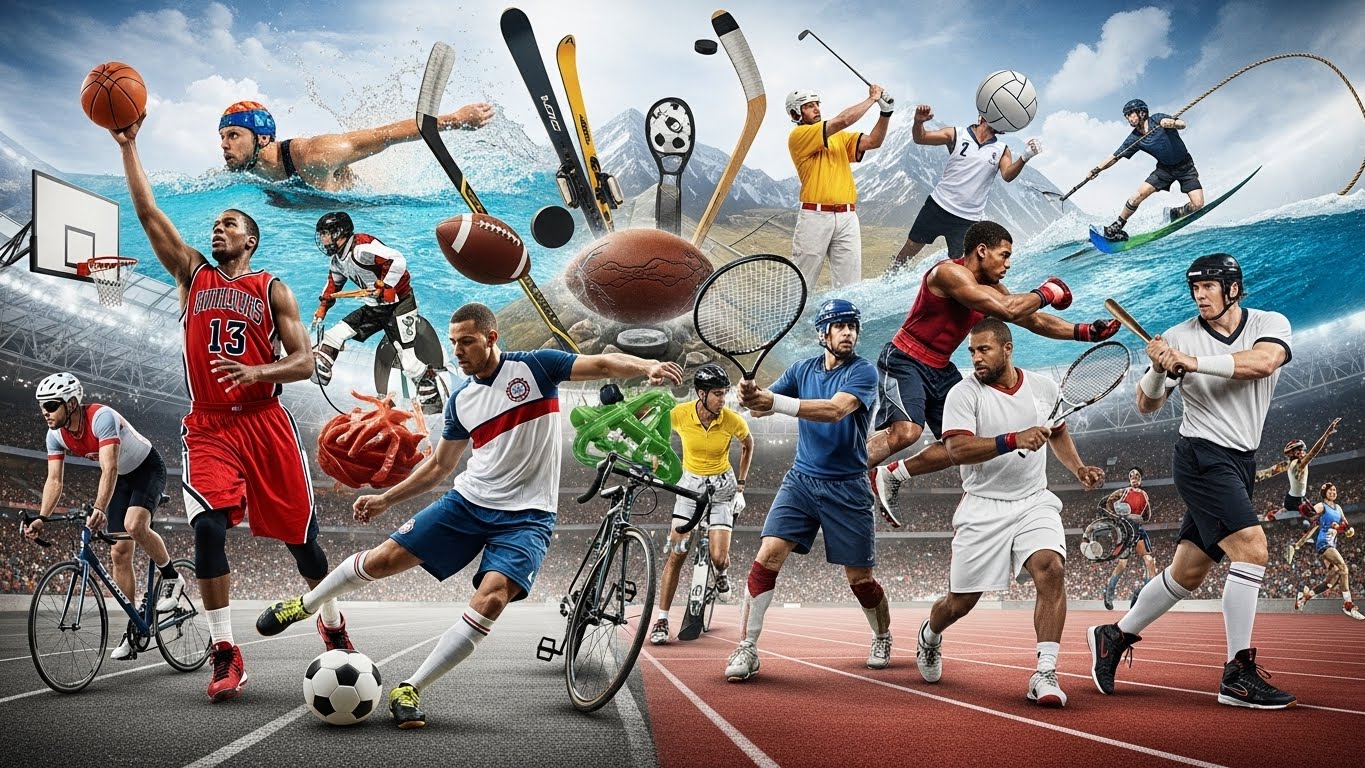
Sports have always been more than just a form of entertainment. Across continents, cultures, and generations, sports serve as a unifying language that transcends borders, politics, and social divides. From the roar of a stadium filled with passionate fans to the quiet dedication of an athlete training in solitude, sports are woven into the fabric of human life. They inspire, challenge, and reflect the very essence of our ambitions and limitations. Whether you are an amateur player, a devoted fan, or a casual observer, the influence of sports is undeniable in shaping personal growth, societal norms, and global cultures.
The Psychological Impact of Sports
Engaging in sports goes beyond physical fitness; it has profound psychological benefits. Regular participation in physical activity reduces stress, anxiety, and depression, while simultaneously boosting self-esteem and resilience. For young athletes, sports instill essential life skills such as discipline, teamwork, and perseverance. The mental toughness developed on the field often translates to real-life scenarios, helping individuals navigate challenges with confidence. Moreover, watching sports can also be psychologically stimulating. The thrill of competition, the tension of close scores, and the celebration of victories release endorphins and adrenaline, creating emotional highs similar to personal achievements.
Sports as a Tool for Social Integration
Sports play a critical role in bridging social gaps. Community sports programs bring together people from diverse backgrounds, fostering understanding and empathy. They promote inclusion, as individuals of varying abilities, genders, and socio-economic statuses can participate together. In many societies, sports have been a platform to combat discrimination and promote equality. Iconic athletes often become symbols of social change, inspiring generations to challenge prejudices and embrace diversity. The global popularity of events like the Olympics and World Cup exemplifies how sports can unite millions under a shared passion, regardless of cultural or political differences.
Physical Health and Longevity Through Sports
Physical activity is one of the most significant contributors to a healthy lifestyle, and sports provide an engaging way to stay active. Regular participation in sports strengthens muscles, improves cardiovascular health, enhances flexibility, and supports healthy weight management. Beyond physical health, sports can also increase longevity by reducing the risk of chronic diseases such as heart disease, diabetes, and obesity. Even for older adults, sports like swimming, golf, or walking-based games maintain mobility, balance, and overall quality of life. Incorporating sports into daily routines encourages lifelong fitness and promotes holistic well-being.
The Evolution of Sports: From Tradition to Modernity
Sports have a rich history, evolving alongside human civilization. Ancient societies engaged in physical contests not only for recreation but also for survival training and spiritual purposes. For example, wrestling and archery were practiced for combat readiness, while chariot races and games held religious significance. Over time, sports became institutionalized, with standardized rules, organized leagues, and international competitions. Modern technology has further transformed sports, introducing advanced training techniques, performance analytics, and immersive spectator experiences. Today, virtual reality, wearable devices, and digital broadcasts have redefined how athletes train and how fans engage, making sports more accessible and thrilling than ever before.
The Economic Influence of Sports
Sports are not just about competition; they are also a powerful economic force. Professional leagues, endorsements, merchandise sales, and broadcasting rights generate billions of dollars globally. Cities invest in sports infrastructure not only to host major events but also to stimulate local economies through tourism, hospitality, and job creation. Sponsorship deals and sports marketing have turned athletes into global icons whose influence extends beyond the field. Moreover, sports-related businesses, from gyms and equipment manufacturers to sports media companies, play a vital role in employment and economic growth. This intertwining of sports and economy reflects the multifaceted significance of athletic endeavors in modern society.
The Role of Technology in Modern Sports
Technology has revolutionized both athletic performance and spectator experience. High-tech equipment, data analytics, and biomechanical studies allow athletes to optimize their training and prevent injuries. Video replay systems and sensors provide precise performance metrics, ensuring fairness and enhancing strategies. Additionally, digital platforms and social media have transformed fan engagement, enabling real-time updates, interactive content, and global communities centered around favorite teams and players. Virtual competitions and esports have emerged as new dimensions of sports, attracting millions and redefining what it means to be an athlete in the 21st century. Technology ensures that sports remain dynamic, inclusive, and continuously evolving.
Sports and Education: Building Character and Opportunity
In educational institutions, sports are not just extracurricular activities; they are essential for holistic development. Participation in school and college sports teaches time management, leadership, and collaborative problem-solving. It encourages students to set goals, handle setbacks, and cultivate a growth mindset. Beyond personal development, sports can open doors to scholarships, professional careers, and international opportunities. Many renowned athletes started their journey in school competitions, highlighting how educational sports programs serve as incubators for talent. The integration of sports in education fosters well-rounded individuals who contribute positively to both their communities and society at large.
Cultural Significance of Sports
Sports reflect and shape cultural identities. Traditional games often carry historical and regional significance, while contemporary sports contribute to national pride and global recognition. Sporting events are occasions where cultures are celebrated, rituals are performed, and stories are passed down through generations. Iconic athletes often embody cultural values, inspiring citizens and symbolizing excellence, perseverance, and resilience. For example, football in South America, cricket in the Indian subcontinent, and rugby in New Zealand are more than just games; they are integral to national identity. Sports create shared experiences that reinforce cultural heritage while fostering global appreciation and respect.
Sports as a Platform for Social Change
Beyond entertainment, sports have historically been a catalyst for social and political movements. Athletes and sporting events often highlight societal issues, challenge injustices, and promote humanitarian causes. From breaking racial barriers to advocating gender equality, sports provide a platform for voices that might otherwise be unheard. Major events can draw attention to critical global concerns such as climate change, public health, and human rights. Athletes leveraging their influence for advocacy demonstrate the potential of sports to inspire collective action, proving that the impact of sports extends far beyond victories and trophies.
The Future of Sports: Sustainability and Innovation
As the world evolves, the future of sports lies at the intersection of sustainability and innovation. Environmental consciousness is becoming a priority, with stadiums implementing green technologies, reducing carbon footprints, and promoting eco-friendly practices. Advances in artificial intelligence, wearable technology, and data-driven insights promise to enhance athlete performance and spectator engagement even further. Additionally, adaptive sports for differently-abled individuals continue to expand inclusivity and recognition. The evolution of sports is a testament to human creativity and resilience, ensuring that athletic pursuits remain relevant, inspiring, and transformative for generations to come.
Conclusion: The Enduring Power of Sports
Sports are more than a pastime; they are a reflection of human ambition, collaboration, and resilience. They shape physical health, mental well-being, cultural identity, and social structures. Through competition and participation, sports teach life lessons that extend far beyond the playing field. They unite communities, inspire change, and celebrate the extraordinary capabilities of individuals. In a rapidly changing world, the essence of sports—dedication, passion, and the pursuit of excellence—remains constant. As fans, players, and enthusiasts, embracing sports means embracing a journey of growth, connection, and the timeless thrill of victory.