
Introduction
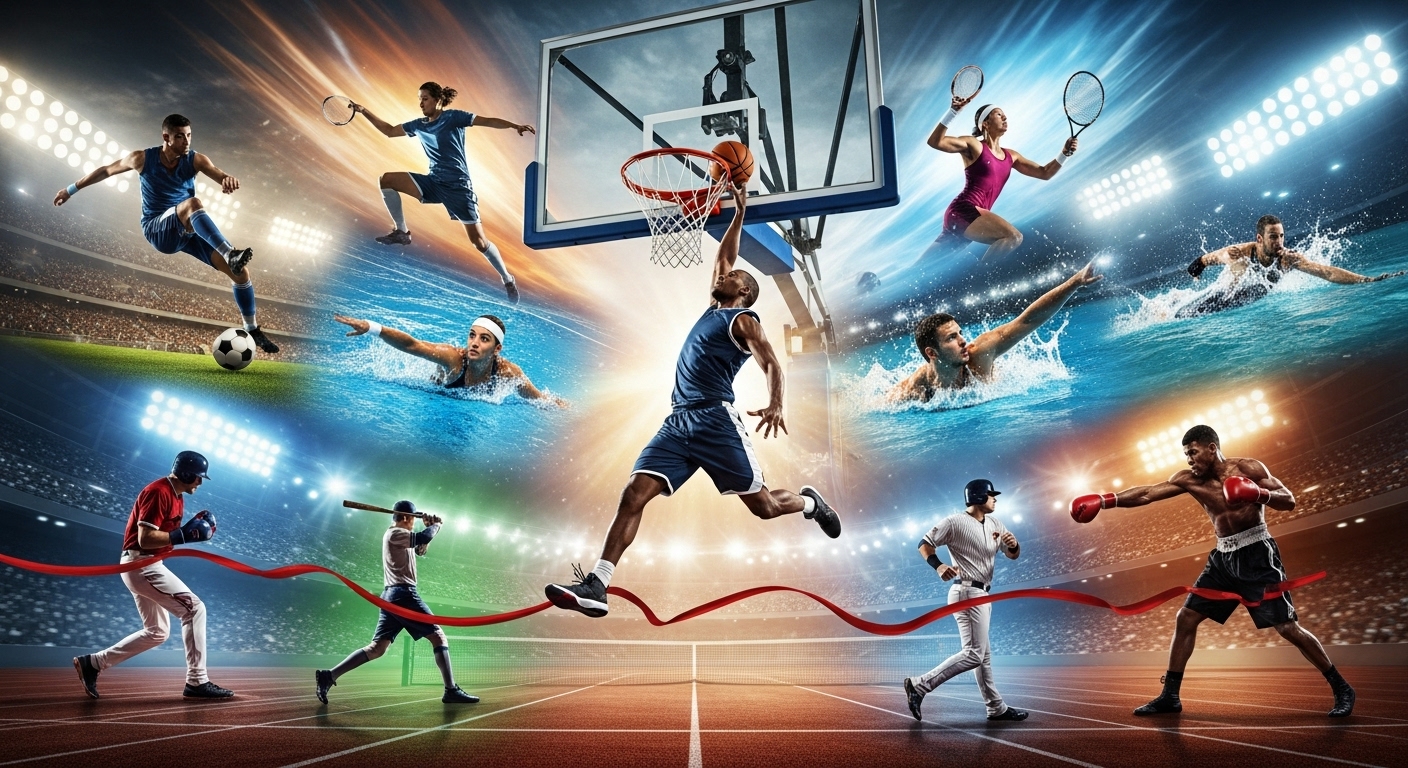
Sports have always been a major part of human culture, transcending borders, languages, and socioeconomic barriers. Whether it’s the universal excitement of the World Cup, the passion surrounding the Super Bowl, or the dedication seen in local community leagues, sports are a powerful force that unites people in ways that few other things can.
From competitive athletics to recreational games, sports offer a platform for self-expression, personal growth, and even social change. As the world becomes increasingly connected, sports continue to grow in importance—both as a form of entertainment and as a vehicle for promoting health, unity, and societal development.
In this blog post, we’ll explore the history, impact, and evolution of sports, focusing on how they have shaped societies and individuals. We’ll also delve into the future of sports, considering how technology, media, and cultural shifts are transforming the way we play, watch, and engage with sports.
A Brief History of Sports
The origins of organized sports can be traced back to ancient civilizations. The earliest known sporting events were part of religious rituals and public festivals. The ancient Greeks, for example, held the first Olympic Games in 776 BC, which were celebrated every four years in honor of the gods. These games featured events like running, wrestling, and chariot racing, and they attracted participants from all over the Greek world.
Throughout history, different civilizations developed their own unique sports. In ancient China, for instance, martial arts such as Kung Fu were practiced for both defense and physical fitness. In Mesoamerica, the Maya and Aztec civilizations played a game known as “tlachtli,” a ball game that combined elements of sport and ritual.
As civilizations evolved, so did the structure and organization of sports. The Industrial Revolution in the 18th and 19th centuries gave rise to modern competitive sports, with formalized rules and regulations. It was during this time that many of the sports we know today—such as football, rugby, and cricket—were codified.
By the late 19th and early 20th centuries, global events like the Olympic Games and the FIFA World Cup were established, bringing together athletes from different countries to compete on an international stage. Today, sports are an integral part of global culture, with millions of people across the world actively participating in or following a wide range of sporting events.
The Social and Cultural Impact of Sports
Sports are more than just games—they are a mirror of society. The role of sports in shaping culture, identity, and social behavior cannot be overstated. For many, sports offer a way to connect with others, build communities, and create a sense of belonging.
Building Communities
At the local level, sports serve as a unifying force that brings people together. Whether it’s a neighborhood soccer game, a youth basketball league, or a school track meet, sports provide a sense of community and collective achievement. These activities create an environment where individuals can meet new people, develop friendships, and share common goals.
Sports also offer a platform for social mobility. For many young people, excelling in sports can provide opportunities for scholarships, career advancement, and the chance to travel and experience different cultures. Famous athletes like Michael Jordan, Serena Williams, and Cristiano Ronaldo have not only made an impact in their respective sports but have also become global icons, inspiring millions of fans from all walks of life.
Fostering National Pride
On the global stage, sports are a powerful tool for national pride and identity. International sporting events like the Olympics and the World Cup bring together nations to compete, showcasing the best athletes each country has to offer. These events create an opportunity for people to rally around their nation’s athletes and celebrate shared victories.
Sports also play a critical role in breaking down cultural barriers. For instance, when South Africa hosted the 2010 FIFA World Cup, it was seen as a symbol of the country’s progress since the end of apartheid. Similarly, the success of athletes like Jackie Robinson, who broke the color barrier in Major League Baseball, and Muhammad Ali, who used his platform to speak out on social justice issues, demonstrates how sports can be a vehicle for cultural change.
The Health Benefits of Sports
In addition to their cultural and social impact, sports are essential for promoting physical and mental health. Regular participation in sports and physical activities has been shown to reduce the risk of chronic diseases, improve cardiovascular health, and promote overall well-being.
Physical Fitness
The health benefits of sports are clear. Physical activity improves muscle strength, flexibility, and coordination. It helps in weight management, increases bone density, and boosts the immune system. Engaging in sports also promotes better sleep patterns and reduces the risk of developing health issues such as diabetes, obesity, and heart disease.
Sports are also important for children and adolescents. They help children develop motor skills, teamwork, and discipline, all of which are critical for their physical and emotional growth. Furthermore, sports provide a structured way for young people to channel their energy and creativity, reducing the likelihood of engaging in unhealthy behaviors.
Mental Health
Sports have been found to have a significant positive impact on mental health. Regular physical activity helps reduce stress, anxiety, and depression. It promotes the release of endorphins, which are the body’s natural mood elevators, leading to a sense of well-being and mental clarity.
For athletes, the focus required in sports can provide an escape from the pressures of daily life, offering a mental reset. Sports also teach valuable life lessons, such as perseverance, goal-setting, and the importance of teamwork. Even when facing setbacks or challenges, athletes learn to stay focused and push through difficulties, which can be empowering in other aspects of their lives.
Technology’s Influence on Sports
The role of technology in sports has skyrocketed in recent years, influencing everything from training techniques to the fan experience. Modern technology is revolutionizing how athletes train, compete, and recover, while also changing how fans engage with their favorite teams and players.
Performance and Training
Advancements in sports science and technology have led to better training methods and improved athletic performance. Wearable devices like fitness trackers, heart rate monitors, and smart shoes give athletes real-time data on their physical performance. This data allows them to optimize their training regimens, monitor recovery, and fine-tune their techniques.
In addition, technology such as video analysis software helps coaches and athletes analyze movements, correct techniques, and identify areas for improvement. For example, in tennis, players can use high-speed cameras to break down their strokes and serve technique, which can make a significant difference in their performance.
Fan Engagement
Technology has also transformed how fans experience sports. With the rise of social media, streaming platforms, and mobile apps, fans now have instant access to live events, interviews, and behind-the-scenes content. Sports franchises are increasingly leveraging digital platforms to connect with their fan bases, offering personalized experiences and interactive features.
Virtual and augmented reality are also enhancing fan engagement, allowing people to experience games in entirely new ways. Imagine being able to watch a match from the perspective of a player or exploring a 360-degree virtual arena. These innovations offer fans immersive and interactive experiences that were once the stuff of science fiction.
The Future of Sports
As we look to the future, the sports industry is likely to continue evolving in exciting and unexpected ways. Advances in artificial intelligence, data analytics, and immersive technologies like virtual reality and augmented reality will change how sports are played, coached, and consumed.
AI and Automation
Artificial intelligence will play an increasingly important role in sports analytics, performance monitoring, and injury prevention. AI algorithms can predict an athlete’s performance based on historical data, help optimize training schedules, and even forecast injury risks. In the near future, AI could be used to assist referees and officials by providing real-time data on contentious calls, ensuring greater accuracy and fairness in competitions.
Esports: The New Frontier
In addition to traditional sports, esports (competitive video gaming) is rapidly growing in popularity. Esports tournaments attract millions of viewers worldwide, and professional gamers are earning lucrative sponsorships and salaries. The rise of esports signifies the increasing intersection between sports and technology, offering a glimpse of the future of entertainment and competition.
Conclusion
Sports have always been much more than just games—they are a reflection of society’s values, a way to foster community, and a tool for personal and social growth. Whether it’s the health benefits, the cultural impact, or the entertainment value, sports hold an important place in human life.
The evolution of sports, fueled by technology and societal shifts, will continue to shape the way we live, work, and interact with one another. As we look to the future, we can expect even greater innovations in how sports are played, watched, and experienced. One thing is for sure: sports will continue to inspire, connect, and bring people together across the globe for generations to come.