
Introduction: More Than Just a Game
Sports have always been more than physical contests played on fields, courts, or tracks. They are living stories of effort, failure, resilience, and triumph. From a child kicking a ball for the first time to professionals competing on the world’s biggest stages, sports connect people across age, language, and geography. They reflect who we are as individuals and as societies, shaping values that extend far beyond the final score. This blog explores how sports influence personal growth, cultural identity, mental strength, and community bonding in ways few other human activities can match.
The Universal Language of Sports
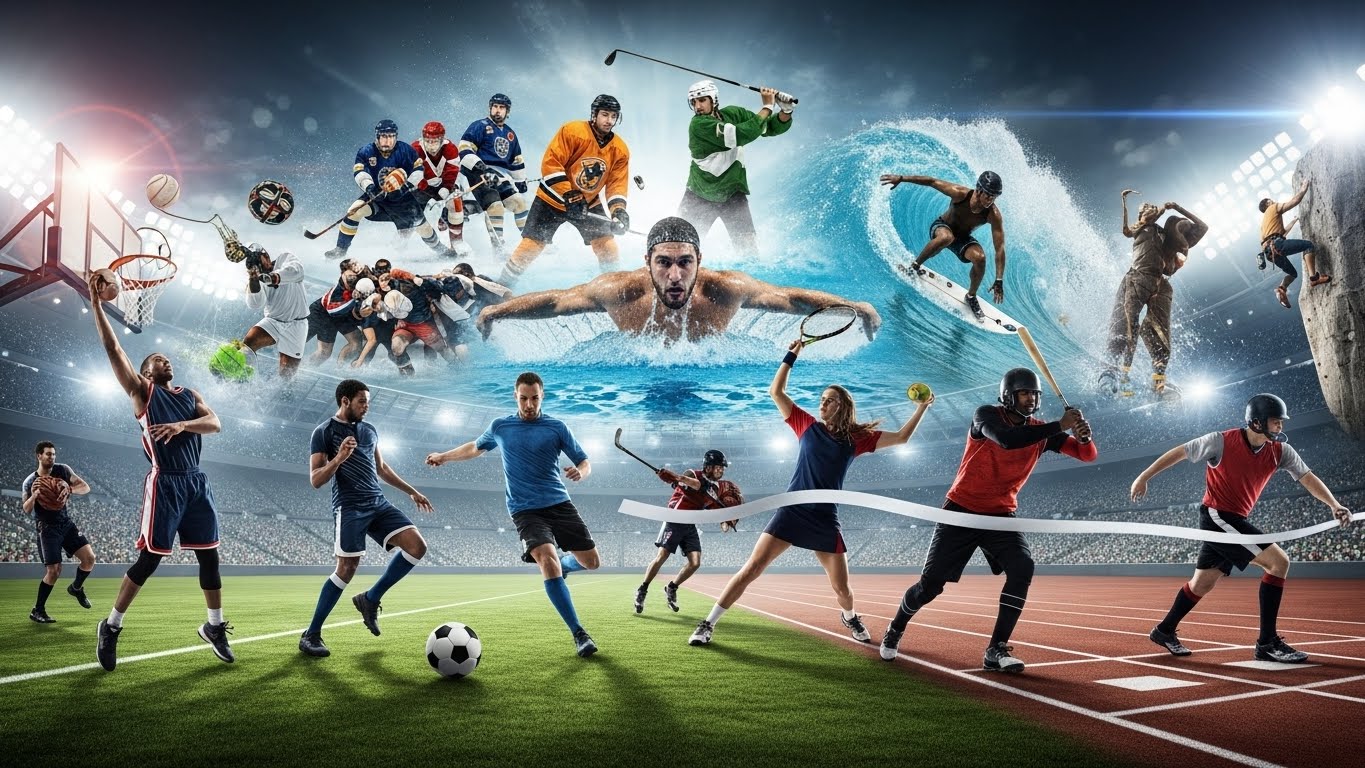
One of the most powerful aspects of sports is their universality. A game does not require a shared spoken language to be understood. A perfectly timed pass, a powerful sprint, or a graceful leap communicates effort and intention instantly. Across continents, people recognize the meaning of competition, teamwork, and fair play. This shared understanding allows sports to act as a bridge between cultures, bringing together individuals who might otherwise never interact. International tournaments and friendly local matches alike demonstrate how sports can dissolve social boundaries and create moments of collective emotion.
Sports and the Development of Character
Participation in sports plays a crucial role in shaping character. Athletes learn discipline through regular training and commitment to improvement. They experience failure and discover how to respond to it with patience rather than frustration. Sports teach responsibility, as every player’s actions affect the team’s outcome. Winning builds confidence, but losing often teaches more valuable lessons about humility, accountability, and perseverance. These traits extend into daily life, influencing how individuals approach education, careers, and relationships.
The Mental Strength Built Through Competition
While physical ability is visible, mental strength is often the true differentiator in sports. Athletes face pressure, expectations, and uncertainty on a regular basis. Learning to remain focused during critical moments helps develop emotional control and resilience. Sports train individuals to handle stress, adapt to changing situations, and recover from setbacks. This mental conditioning is invaluable beyond athletics, preparing people to face challenges in professional and personal environments with calm determination.
Teamwork and Leadership on and off the Field
Team sports offer a unique environment to learn cooperation and leadership. Players must communicate clearly, trust one another, and work toward a shared goal. Leadership in sports is not limited to captains; it appears in moments when a player encourages a teammate, takes responsibility after a mistake, or sets an example through effort. These experiences cultivate skills that are essential in workplaces and communities, where collaboration and leadership are equally important for success.
Sports as a Cultural Mirror
Sports often reflect the values and history of the societies in which they thrive. Traditional games preserve cultural heritage, while modern sports highlight changing social dynamics. The way fans support their teams, celebrate victories, and mourn losses reveals collective identity and pride. Major sporting events become cultural milestones, remembered for generations. Through sports, societies express unity, rivalry, and shared aspirations, making them a powerful cultural force.
The Role of Sports in Youth Development
For young people, sports provide structure and purpose during formative years. They offer a healthy outlet for energy and emotions while promoting physical fitness. Youth sports teach time management as children balance training with education. They also introduce social skills, helping young athletes form friendships and learn respect for authority and peers. When guided positively, sports can steer youth away from harmful behaviors and toward productive, goal-oriented lifestyles.
Inclusivity and Breaking Barriers
Sports have the potential to challenge stereotypes and promote inclusivity. Athletes from diverse backgrounds prove that talent and dedication transcend social, economic, and physical limitations. Adaptive sports empower individuals with disabilities, demonstrating strength and determination in inspiring ways. Women’s sports continue to grow, reshaping perceptions and opening opportunities for future generations. When sports are inclusive, they send a powerful message about equality and shared humanity.
The Economic and Social Impact of Sports
Beyond personal and cultural influence, sports have significant economic and social effects. They create jobs, support local businesses, and stimulate tourism. Community sports programs provide safe spaces for engagement and development. Sporting events can revitalize neighborhoods and foster civic pride. When managed responsibly, sports become tools for social development, contributing to education, health, and community cohesion.
The Emotional Connection Between Fans and Teams
Fans are the heartbeat of sports. Their loyalty and passion transform games into emotional experiences. Supporting a team becomes part of personal identity, often passed down through generations. Fans celebrate together in moments of victory and find comfort in shared disappointment. This emotional bond creates communities built on shared hope and belief, proving that sports are as much about connection as competition.
Technology and the Evolution of Sports
Modern technology has transformed the way sports are played, watched, and analyzed. Advanced training methods help athletes reach new levels of performance. Data analysis improves strategy and injury prevention. For fans, technology enhances viewing experiences and access to information. While change brings challenges, it also opens new possibilities, ensuring that sports continue to evolve while maintaining their core values.
Balancing Competition and Sportsmanship
True greatness in sports is defined not only by winning but by how the game is played. Sportsmanship emphasizes respect for opponents, officials, and the rules. It teaches that integrity matters more than outcomes. When athletes display fairness and humility, they inspire admiration beyond trophies and records. Upholding sportsmanship ensures that competition remains healthy and meaningful.
Conclusion: The Enduring Power of Sports
Sports endure because they resonate with fundamental human experiences. They challenge the body, sharpen the mind, and strengthen the spirit. They unite strangers, build communities, and shape cultures. Whether played casually or professionally, sports leave lasting impressions on those who engage with them. Beyond the scoreboard lies a deeper impact, one that molds character, inspires connection, and reminds us of the power of shared effort. In a constantly changing world, sports remain a timeless force that brings out the best in humanity.