Introduction: The Universal Language of Sports
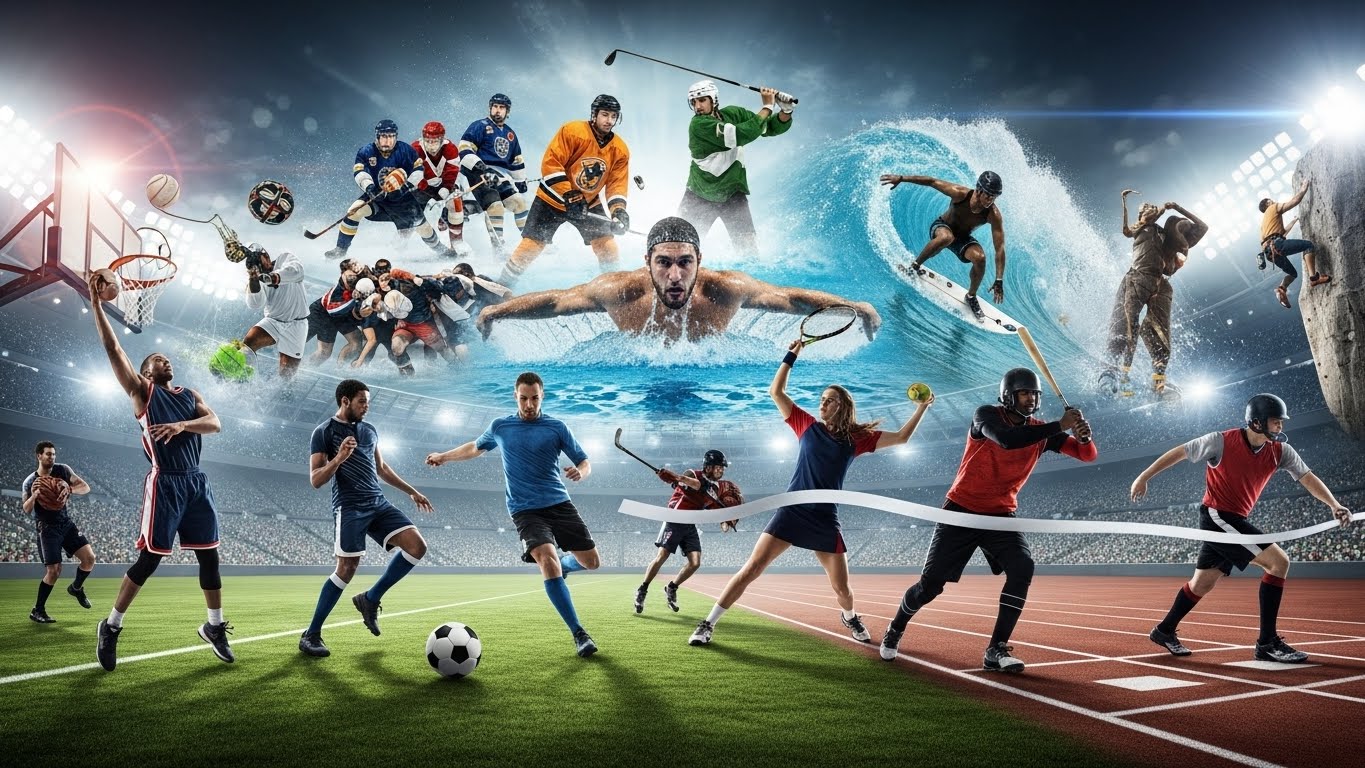
Sports have been an integral part of human civilization for centuries. From the ancient Olympic Games in Greece to modern global competitions, sports have transcended cultures, languages, and borders. They are more than physical activities; they are platforms for teamwork, discipline, leadership, and entertainment. Whether it is football, cricket, athletics, or basketball, sports unite people, inspire generations, and serve as a reflection of society’s values. This blog explores the significance of sports in personal development, social bonding, economy, and global culture.
The Origins and Evolution of Sports
The roots of sports can be traced back to prehistoric times, where activities resembling running, wrestling, and hunting served both survival and recreational purposes. Ancient civilizations incorporated sports into their rituals and education systems. The Greeks formalized athletic competitions with the Olympic Games, celebrating excellence, honor, and physical prowess. Over time, sports evolved into organized competitions with codified rules. From medieval jousting tournaments to contemporary international events, sports have constantly adapted to technological advancements, societal changes, and global interaction.
Physical Benefits of Sports
One of the most evident advantages of sports is physical health. Regular participation in sports improves cardiovascular fitness, strengthens muscles, enhances flexibility, and promotes coordination. It reduces the risk of chronic illnesses such as obesity, diabetes, and heart disease. Sports encourage an active lifestyle, which is especially important in a world increasingly dominated by sedentary habits. Beyond fitness, sports also improve motor skills, reflexes, and overall physical endurance, forming the foundation for lifelong well-being.
Mental Health and Sports
While the physical benefits are clear, the mental and emotional advantages of sports are equally significant. Engaging in sports helps reduce stress, anxiety, and depression by releasing endorphins and promoting a sense of achievement. It teaches resilience, patience, and the ability to handle success and failure gracefully. Team sports foster communication, collaboration, and conflict resolution skills. For children and adolescents, sports play a vital role in shaping self-esteem and confidence, helping them navigate personal and social challenges more effectively.
Sports as a Social Connector
Sports are a powerful tool for social bonding. They bring communities together, create shared experiences, and foster unity. Local clubs, school teams, and neighborhood leagues provide opportunities for people to connect across age, gender, and socioeconomic backgrounds. On a larger scale, national teams and international competitions like the World Cup or the Olympics inspire collective pride and identity. Sports act as a common language that transcends cultural differences, allowing people from diverse backgrounds to celebrate, compete, and connect.
The Role of Sports in Education
Sports have a profound impact on education and personal growth. Schools and universities worldwide integrate physical education and competitive sports into their curricula. Participation in sports teaches discipline, time management, leadership, and teamwork—skills that are valuable beyond the field. Many institutions offer scholarships for talented athletes, encouraging them to pursue both academic and sporting excellence. Through sports, young people learn to balance goals, handle pressure, and develop a strong work ethic, preparing them for professional and personal challenges.
Major Global Sporting Events
International sporting events are among the most celebrated cultural spectacles worldwide. The Olympic Games, FIFA World Cup, Wimbledon, and the Tour de France are just a few examples of competitions that capture the attention of billions. These events highlight exceptional talent, encourage fair competition, and promote cultural exchange. Beyond the thrill of victory and heartbreak of defeat, global tournaments inspire social engagement, tourism, and international cooperation. They demonstrate the unifying power of sports in a way few other platforms can achieve.
Sports and Economic Impact
The sports industry is a massive economic force that generates employment, tourism, and business opportunities. Professional leagues, clubs, event organizers, sponsors, and media companies contribute to a multi-billion-dollar ecosystem. Merchandise, broadcasting rights, and ticket sales create revenue streams, while sports facilities and stadiums stimulate local economies. Major events attract international visitors, benefiting hotels, transportation, and hospitality sectors. Sports have become not just entertainment but a significant driver of economic growth and investment worldwide.
Women in Sports: Breaking Barriers
Historically, women faced significant challenges in sports, from limited opportunities to societal stereotypes. Today, female athletes are breaking barriers and achieving global recognition. Women’s participation in sports has grown exponentially, with leagues, tournaments, and international competitions dedicated to female athletes. Icons like Serena Williams, Megan Rapinoe, and Simone Biles inspire millions, challenging gender norms and promoting equality. Women in sports not only showcase talent but also empower future generations to pursue their passions without limitations.
Technological Advancements in Sports
Technology has transformed how sports are played, analyzed, and experienced. Video-assisted refereeing, performance tracking devices, and analytics software have improved accuracy, fairness, and strategy. Virtual and augmented reality technologies are enhancing fan engagement, allowing immersive experiences in stadiums or from home. Wearable devices monitor health metrics, optimize training, and prevent injuries. Technology ensures that sports remain dynamic, competitive, and engaging while improving athlete performance and fan interaction.
Challenges in the Sports World
Despite its benefits, sports face challenges such as corruption, doping, and commercial exploitation. Scandals involving match-fixing, performance-enhancing drugs, and financial irregularities can tarnish the integrity of competitions. Moreover, the intense pressure on athletes can lead to burnout, mental health issues, and physical injuries. Addressing these challenges requires strong governance, ethical standards, and support systems to protect athletes and maintain the credibility of sports.
The Cultural Impact of Sports
Sports influence culture in profound ways, shaping fashion, music, media, and social behavior. Iconic athletes become role models and cultural symbols, inspiring movements and advocacy. Sports have historically been platforms for social change, from promoting racial equality to advocating mental health awareness. Through storytelling, documentaries, and media coverage, sports reflect societal values and aspirations, reinforcing their role as a vital aspect of human culture.
Youth Development Through Sports
Sports play a crucial role in youth development, teaching essential life skills that extend beyond the playing field. Young athletes learn teamwork, perseverance, goal-setting, and leadership. Participation in sports programs reduces the likelihood of engaging in negative behaviors and fosters a sense of responsibility and community engagement. Sports also provide pathways for higher education, scholarships, and professional opportunities, contributing to personal growth and long-term success.
The Future of Sports
The future of sports is exciting and transformative. Emerging technologies such as virtual reality, artificial intelligence, and e-sports integration are reshaping how competitions are played and consumed. Sustainability initiatives are becoming integral, with eco-friendly stadiums and responsible event management gaining attention. Inclusion and diversity are also central, ensuring that sports are accessible to all, regardless of gender, ability, or background. As global interest continues to grow, sports will remain a dynamic force driving entertainment, culture, and human development.
Conclusion: Sports as a Lifelong Influence
Sports are far more than games; they are a reflection of human potential, creativity, and resilience. From personal health and education to cultural influence and economic growth, the impact of sports is vast and enduring. They teach values, foster unity, and provide inspiration for generations. As society evolves, sports will continue to adapt, innovate, and inspire, proving that the power of human spirit extends far beyond the playing field. In every match, every goal, and every victory, sports remind us of the strength, passion, and connection that define our shared humanity.