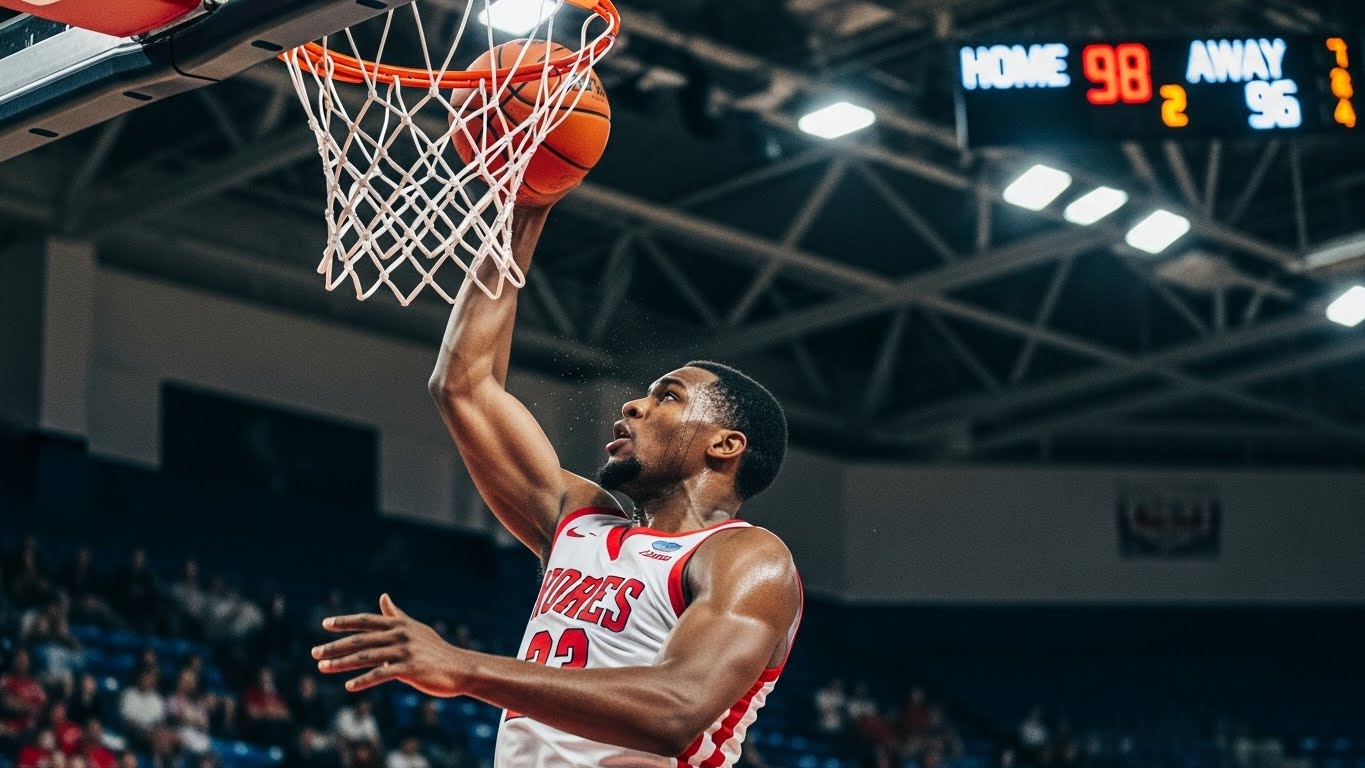

Sports have been a fundamental part of human culture for centuries. From ancient Olympic games to modern professional leagues, sports are more than just physical activities—they are a reflection of society, a tool for personal development, and a unifying force across communities. Engaging in sports not only promotes health and wellness but also fosters values such as discipline, teamwork, resilience, and perseverance. This blog explores the multifaceted role of sports, their impact on individuals and societies, and why they continue to be an essential aspect of human life.
Sports as a Universal Language
One of the most remarkable aspects of sports is their universality. People of all ages, genders, and cultural backgrounds can connect through sports. A soccer match in Europe, a cricket game in South Asia, or a basketball tournament in the United States can evoke shared excitement, passion, and emotional investment among fans worldwide.
Sports communicate beyond words. The thrill of a last-minute goal, the tension of a closely contested match, and the joy of victory resonate universally. This shared emotional experience enables sports to transcend cultural, linguistic, and geographical boundaries, making them a true global connector.
Building Character Through Sports
Participation in sports is a powerful tool for character development. From a young age, athletes learn discipline, responsibility, and the importance of consistent effort. The lessons learned on the playing field, such as coping with failure and celebrating success with humility, translate into essential life skills.
Team sports, in particular, foster collaboration, communication, and leadership. Players learn to work together toward common goals, respect diverse perspectives, and navigate conflicts constructively. Individual sports, such as swimming or tennis, emphasize self-motivation, focus, and personal accountability. These experiences help athletes develop confidence and resilience, qualities that are valuable both on and off the field.
Physical Health Benefits of Sports
The physical advantages of sports are undeniable. Regular participation promotes cardiovascular health, strengthens muscles and bones, improves flexibility, and enhances coordination. Engaging in sports helps prevent chronic illnesses such as obesity, diabetes, and heart disease.
For children and adolescents, sports encourage active lifestyles, which often carry into adulthood. Sports also promote healthy habits, including proper nutrition, exercise routines, and adequate sleep. Beyond physical benefits, regular activity releases endorphins, reducing stress and promoting mental well-being. Sports, therefore, contribute to a holistic sense of health, combining physical fitness with emotional resilience.
Mental and Emotional Benefits of Sports
Sports are not just about physical health—they also provide significant mental and emotional benefits. Participation in sports enhances cognitive function, improves concentration, and boosts problem-solving skills. Athletes learn to stay calm under pressure, develop strategic thinking, and make quick decisions in dynamic situations.
Team sports create a sense of belonging and social connectedness, reducing feelings of isolation. The challenges faced in sports also teach emotional regulation, patience, and persistence. Overall, sports provide an effective outlet for managing stress, building confidence, and developing mental toughness.
Sports as a Tool for Social Change
Sports have historically played a role in promoting social change and challenging societal norms. Iconic athletes have used their platforms to advocate for equality, justice, and inclusion. Figures such as Muhammad Ali, Billie Jean King, and Serena Williams have demonstrated that sports are not just about competition—they are also a means of influencing social progress.
Community-based sports programs provide opportunities for marginalized groups to access education, resources, and mentorship. Sports can break down barriers related to gender, ethnicity, and socioeconomic status. By fostering inclusivity, sports help create environments where everyone can thrive and participate meaningfully.
The Economic Impact of Sports
Sports contribute significantly to the global economy. Professional leagues, tournaments, and events generate substantial revenue through ticket sales, sponsorships, merchandise, and broadcasting rights. Careers in sports extend beyond athletes to include coaches, referees, medical staff, marketers, and event organizers.
Major sporting events, such as the Olympics or FIFA World Cup, drive tourism, create jobs, and stimulate local economies. Sponsorships and partnerships further expand the economic influence of sports, illustrating the interconnection between athletic achievement and business opportunities.
Inspiring the Next Generation
Sports have a unique ability to inspire people, particularly the younger generation. Young athletes look up to professionals not only for their skill but also for their dedication, perseverance, and sportsmanship. Memorable moments in sports—record-breaking performances, remarkable comebacks, and displays of teamwork—motivate aspiring athletes to pursue their goals.
Schools, clubs, and community programs play a crucial role in nurturing young talent. By providing guidance, facilities, and mentorship, these programs help children develop physically, mentally, and socially. The inspiration gained from sports often extends into education, careers, and personal development, shaping individuals into well-rounded citizens.
Sports and Cultural Identity
Sports often serve as a reflection of cultural identity. National teams and athletes carry the pride of their countries, and victories on the international stage evoke strong emotions of unity and patriotism. Traditional sports, such as sumo wrestling in Japan, hurling in Ireland, or kabaddi in India, preserve cultural heritage and celebrate unique practices.
International competitions also facilitate cultural exchange. Athletes and fans from diverse backgrounds come together, fostering mutual understanding and respect. Sports provide a platform for celebrating diversity while creating a shared sense of global community.
Technology and Sports
Technological advancements have transformed the way sports are played, coached, and consumed. Innovations in performance tracking, wearable devices, instant replay, and analytics enhance athlete training and strategy. Sports broadcasting and streaming technologies allow fans worldwide to engage with games in real-time, expanding accessibility and visibility.
Virtual reality and augmented reality technologies are also changing the fan experience. These tools create immersive viewing opportunities, simulate training environments, and increase engagement for both athletes and audiences. Technology continues to evolve sports, making them more dynamic, interactive, and inclusive.
Challenges in the World of Sports
While sports offer numerous benefits, they also face challenges. Issues such as doping, corruption, commercialization, and inequality can undermine fairness and integrity. Gender disparities, pay gaps, and unequal representation remain areas of concern in many sporting disciplines.
Injuries, mental stress, and overtraining can impact athletes’ physical and emotional well-being. Addressing these challenges requires responsible governance, ethical practices, and support systems that prioritize the long-term health of athletes. Promoting inclusivity, fairness, and ethical behavior ensures that sports remain a positive force in society.
The Future of Sports
The future of sports is promising and full of innovation. Emerging technologies, increased awareness of health and wellness, and a global audience will continue to shape the sports industry. Esports, adaptive sports for people with disabilities, and sustainable sporting practices are expanding the reach and impact of athletic activities.
As sports continue to evolve, they will maintain their role as a platform for personal growth, social cohesion, cultural expression, and economic development. The core values of sports—teamwork, discipline, perseverance, and fair play—will remain timeless, inspiring future generations to engage, participate, and excel.
Conclusion
Sports are far more than games. They are a reflection of human creativity, discipline, and resilience. Beyond physical fitness, sports foster mental strength, social bonds, cultural identity, and economic opportunities. Participation in sports teaches life lessons, encourages personal growth, and inspires communities.
In a world often divided by differences, sports act as a unifying force. They remind us that shared passion, effort, and collaboration can transcend boundaries and bring people together. The impact of sports reaches far beyond the playing field, shaping individuals, communities, and societies in profound and lasting ways.