
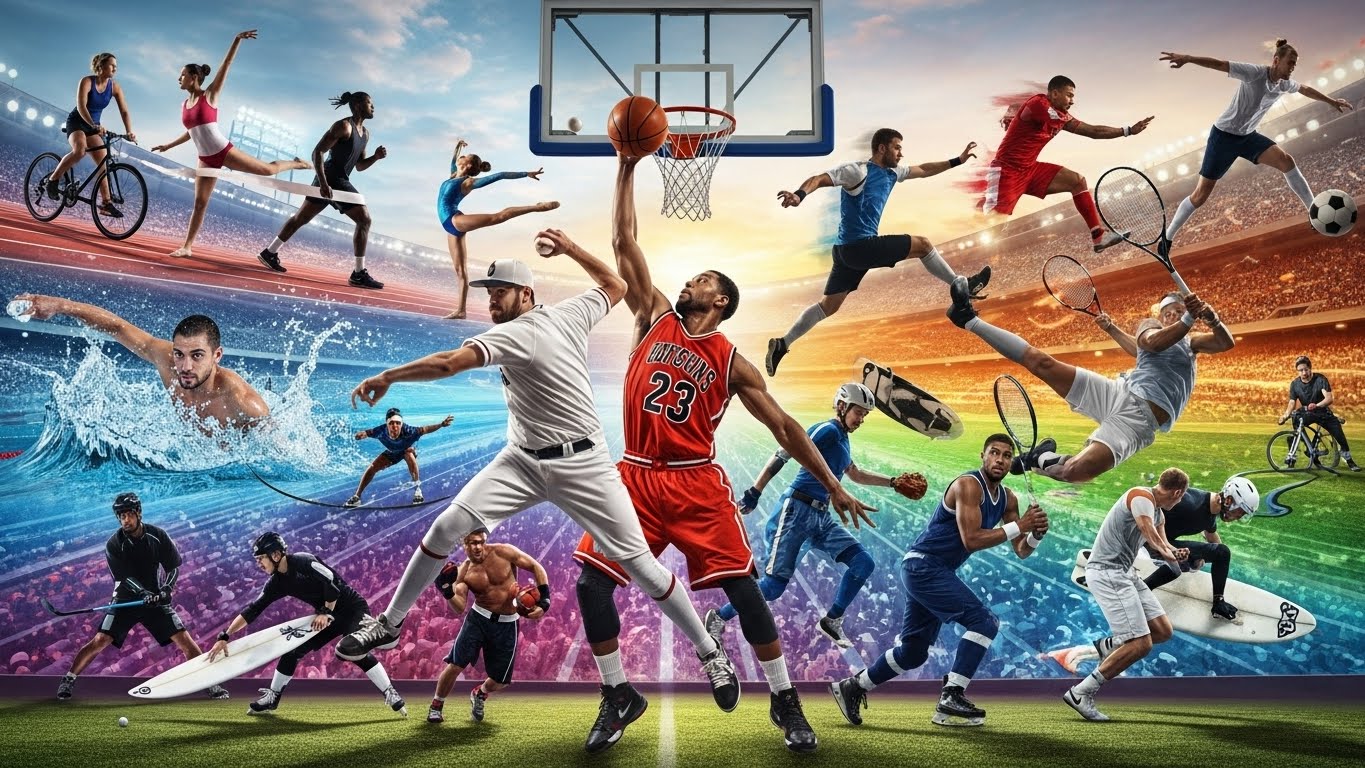
Introduction: The Universal Power of Sports
Sports have been a part of human society for centuries, transcending borders, languages, and cultures. They are not merely a form of entertainment; sports embody discipline, teamwork, resilience, and passion. From neighborhood playgrounds to professional stadiums, sports unite people, inspire individuals, and influence culture on a global scale.
Whether it is football, cricket, basketball, athletics, or emerging esports, sports provide a platform for physical activity, social engagement, and personal growth. This blog explores how sports impact our lives, shape societies, and continue to evolve in the modern world.
The Origins of Sports
The history of sports dates back thousands of years. Ancient civilizations developed competitive activities to prepare for war, celebrate cultural events, or foster physical fitness. The Ancient Olympics in Greece exemplified the role of sports in promoting physical excellence and communal pride.
Over time, sports evolved into organized competitions with codified rules and global participation. Modern sports such as soccer, basketball, and tennis have roots in traditional games that were adapted for fairness, structure, and entertainment. Understanding the origins of sports helps us appreciate their cultural significance and the values they embody.
Physical Benefits of Sports
Sports provide numerous physical benefits. Regular participation improves cardiovascular health, strength, flexibility, and coordination. Engaging in physical activity helps maintain a healthy weight, reduces the risk of chronic diseases, and boosts overall fitness.
Athletes develop discipline, endurance, and resilience, which extend beyond the field. Even casual participation in sports enhances energy levels, physical stamina, and body awareness. Physical activity through sports is essential for maintaining health at all ages, making it an integral part of a balanced lifestyle.
Mental and Emotional Benefits of Sports
Beyond physical health, sports significantly impact mental and emotional well-being. Participation in sports reduces stress, anxiety, and depression by releasing endorphins and promoting positive mental states. It fosters focus, concentration, and problem-solving skills through strategy and gameplay.
Sports also teach emotional regulation. Players experience victories and losses, learning to manage disappointment, celebrate success, and develop resilience. Engaging in sports builds confidence and a sense of accomplishment, providing lifelong benefits that extend into personal and professional life.
Sports and Teamwork
Team sports such as football, basketball, and cricket teach the importance of collaboration. Success in these games depends not only on individual talent but also on coordination, communication, and mutual support.
Teamwork in sports translates to real-life skills. Individuals learn leadership, cooperation, and conflict resolution. They understand the value of shared goals and collective effort, lessons that are applicable in education, careers, and social settings. Sports are a practical school for learning teamwork and interpersonal skills.
Sports as a Cultural Phenomenon
Sports reflect culture, history, and identity. Major sporting events, such as the Olympics, World Cup, and regional tournaments, create national pride and global camaraderie. Fans celebrate victories, honor athletes, and engage in rituals that reflect cultural values.
Local sports traditions also foster community identity. Indigenous games, regional tournaments, and traditional athletic festivals preserve heritage while providing entertainment and engagement. Sports are not merely recreational; they are cultural expressions that bind societies together.
The Economic Impact of Sports
Sports are a major driver of the global economy. Professional leagues, events, merchandise, and sponsorships generate billions in revenue annually. Athletes, coaches, event organizers, and media professionals benefit from the industry, creating employment and business opportunities.
Sports tourism is another significant economic contributor. Fans travel across cities and countries to attend matches, tournaments, and championships, boosting hospitality, transportation, and local businesses. The economic influence of sports underscores its role not just in culture but also in livelihoods and commerce.
Sports and Education
Sports play a vital role in education by promoting holistic development. Schools and universities encourage participation in athletics to enhance physical health, discipline, and leadership skills. Sports programs teach time management, goal-setting, and the importance of perseverance.
Scholarships and professional pathways in sports provide opportunities for talented individuals to pursue careers while continuing education. Combining academics with athletics fosters well-rounded development, preparing students for challenges both on and off the field.
Women in Sports
The participation of women in sports has grown tremendously over the past century. Female athletes now compete at the highest levels in football, cricket, tennis, athletics, and many other disciplines. Their achievements inspire future generations and challenge traditional gender stereotypes.
Despite progress, barriers remain, including unequal pay, limited media coverage, and fewer sponsorship opportunities. Promoting inclusivity and equal opportunities in sports empowers women, encourages participation, and strengthens the overall sports ecosystem.
Technology and Sports
Technology has transformed how sports are played, analyzed, and consumed. Wearable devices track performance, monitor health, and enhance training programs. Video analysis and motion sensors help athletes refine technique and strategy.
For fans, technology provides immersive experiences through live streaming, virtual reality, and instant replays. Data analytics informs coaching decisions and team management. Technology ensures that sports are not only more competitive but also more engaging for players and spectators alike.
Sportsmanship and Ethical Values
Sports are a platform for teaching ethical values such as fairness, integrity, and respect. Sportsmanship emphasizes competing honorably, following rules, and respecting opponents. These lessons extend into personal behavior, promoting honesty, empathy, and moral responsibility.
Fair play, anti-doping measures, and adherence to rules are essential for maintaining credibility in sports. Upholding these values ensures that competitions are meaningful, inspiring, and equitable for all participants.
Sports as Entertainment
Sports are a major form of global entertainment. Millions of fans watch matches, follow leagues, and celebrate iconic moments. The thrill of competition, unpredictability of outcomes, and display of skill and talent captivate audiences worldwide.
Entertainment extends beyond watching; fans engage in discussions, fantasy leagues, and social events related to sports. Sports create shared experiences, build communities, and provide excitement that transcends the field.
The Role of Sports in Health Awareness
Sports also promote public health awareness. Major events and athletes often highlight the importance of fitness, nutrition, and mental well-being. Campaigns linked to sports inspire communities to adopt healthier lifestyles and participate in physical activity.
Public programs and initiatives encourage sports participation among children and adults, reducing sedentary behavior and promoting overall wellness. Sports, therefore, serve not only as recreation but also as a vehicle for positive social and health impact.
Globalization of Sports
The globalization of sports has expanded its reach and influence. International tournaments, global broadcasting, and digital platforms allow fans to follow events from anywhere in the world. Athletes compete across borders, creating global role models and fostering international cooperation.
Globalization also introduces diverse playing styles, training methods, and cultural perspectives, enriching the sporting world. Fans experience multicultural engagement through sports, making it a powerful tool for understanding, diplomacy, and unity.
The Future of Sports
The future of sports is shaped by innovation, inclusivity, and sustainability. Emerging technologies such as artificial intelligence, augmented reality, and virtual reality will enhance training, performance analysis, and spectator experiences.
Sustainable sports practices, eco-friendly stadiums, and responsible event management will reduce environmental impact. Greater inclusivity will ensure participation across genders, abilities, and socioeconomic backgrounds. The evolution of sports will continue to reflect societal values, technological progress, and global connectivity.
Conclusion: The Enduring Impact of Sports
Sports are more than games; they are a reflection of human spirit, culture, and society. They inspire individuals, unite communities, and drive economic and social development. Participation in sports promotes physical health, mental well-being, teamwork, and ethical values.
Globally, sports create shared experiences, foster national pride, and serve as a platform for cultural expression. From grassroots activities to professional leagues, sports influence lives in profound ways.
As society advances, sports will continue to evolve, embracing technology, inclusivity, and sustainability. The essence of sports—the thrill of competition, the pursuit of excellence, and the joy of participation—will remain timeless. In every kick, throw, or sprint, sports embody the power to transform individuals and connect the world.