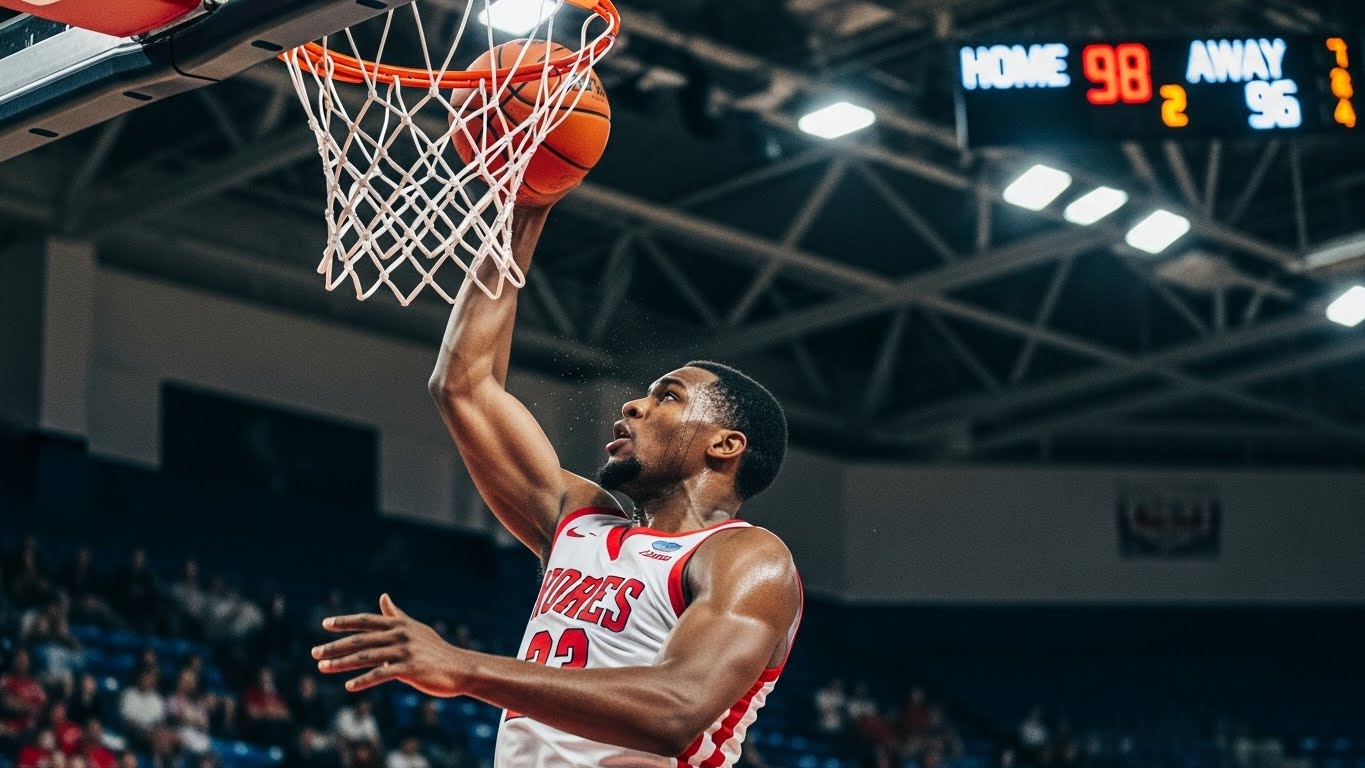
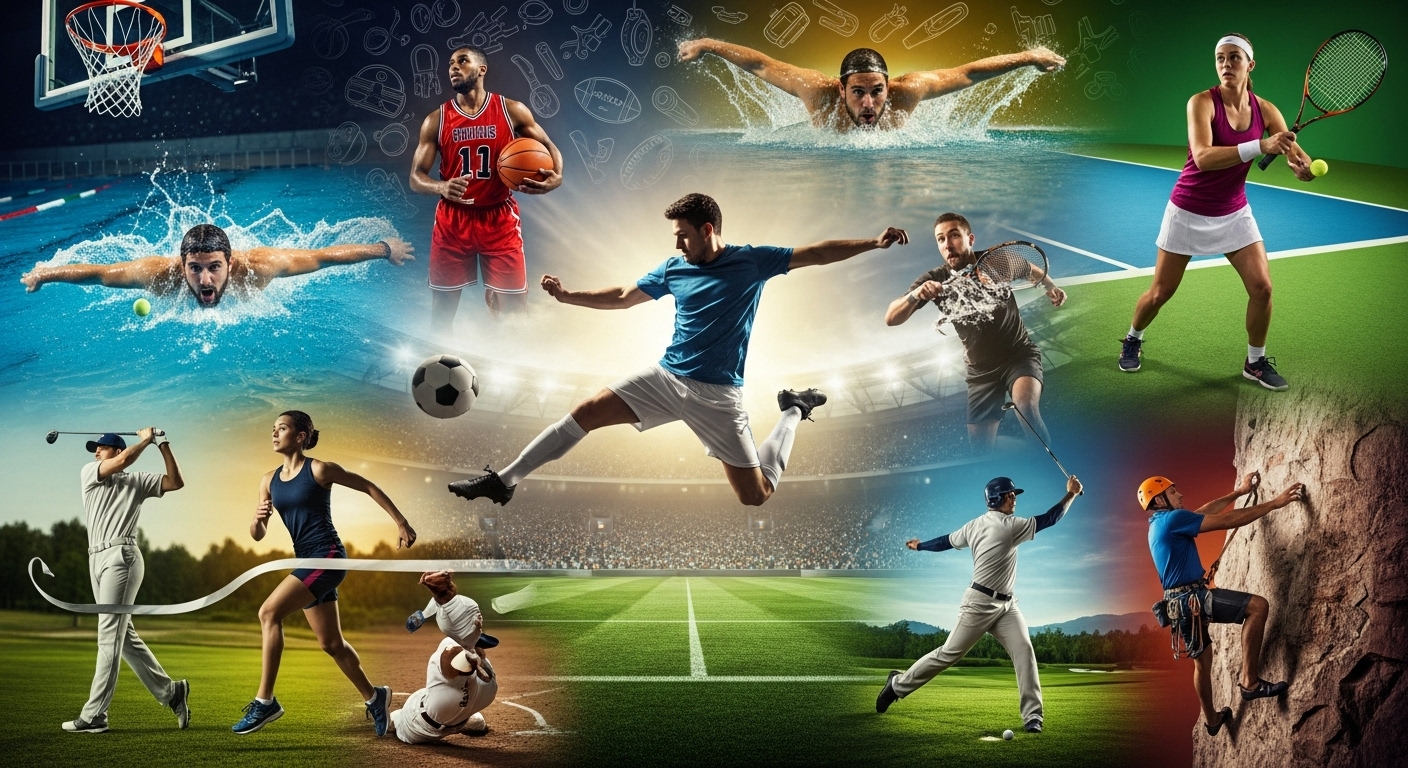
Sports have been an integral part of human civilization for centuries. From ancient games in early societies to modern international competitions, sports have reflected cultural values, inspired communities, and fostered physical and mental well-being. Beyond mere entertainment, sports play a crucial role in shaping identities, creating opportunities, and connecting people across boundaries. This blog delves into the world of sports, examining its history, social impact, physical and mental benefits, cultural significance, challenges, and the future of athletic pursuits.
The Evolution of Sports Through History
Sports have evolved alongside human civilization. Ancient societies engaged in athletic competitions to celebrate strength, skill, and endurance. The Olympic Games in ancient Greece, for instance, honored physical excellence and cultural unity. Similarly, traditional games in Africa, Asia, and the Americas were integral to rituals, storytelling, and community bonding.
With the passage of time, sports became more organized and codified. The Industrial Revolution and advancements in communication and transportation allowed for standardized rules, national leagues, and international tournaments. Today, sports range from individual pursuits like tennis and gymnastics to team games such as football, basketball, and cricket, offering a spectrum of opportunities for participation and spectatorship.
Sports as a Social Connector
One of the most powerful aspects of sports is its ability to connect people. Fans unite in support of their favorite teams or athletes, creating a shared sense of identity and community. Stadiums and arenas serve as spaces for collective celebration, while television and digital platforms allow millions to experience the thrill of live competitions.
Sports also bridge cultural, social, and economic divides. International events like the Olympics and World Cups bring nations together, fostering diplomacy, understanding, and mutual respect. Local leagues and school competitions encourage community engagement, volunteerism, and social cohesion.
Physical and Health Benefits of Sports
Engaging in sports offers significant physical benefits. Regular participation improves cardiovascular health, strengthens muscles and bones, enhances flexibility, and promotes overall fitness. Sports activities also help combat obesity, reduce the risk of chronic diseases, and encourage healthy lifestyle habits.
Beyond the physical, sports improve coordination, agility, reflexes, and stamina. Athletes develop discipline and learn the importance of consistent practice, proper nutrition, and recovery. These lessons often extend beyond sports, influencing other areas of life such as academics, career, and personal development.
Mental and Emotional Benefits
Sports are equally valuable for mental and emotional well-being. Participation reduces stress, anxiety, and depression by promoting the release of endorphins and fostering positive social interactions. The challenges of competition also build resilience, perseverance, and problem-solving skills.
Team sports, in particular, teach collaboration, leadership, and effective communication. Athletes learn to work toward collective goals, adapt to dynamic situations, and manage both victories and defeats gracefully. Individual sports encourage self-discipline, focus, and goal-setting, nurturing mental strength and self-confidence.
The Role of Sports in Education
Sports play a critical role in education systems worldwide. Schools and universities incorporate athletic programs to promote holistic development, combining physical activity with academic growth. Participation in sports teaches students time management, teamwork, and leadership skills while encouraging healthy competition.
Collegiate and school-level sports also provide pathways for professional careers. Scholarships, coaching opportunities, and competitive exposure enable talented athletes to pursue higher education while nurturing their sporting ambitions. Educational institutions recognize that sports cultivate life skills, character, and long-term personal growth.
Cultural Significance of Sports
Sports are deeply embedded in culture. They reflect societal values, historical traditions, and collective identities. Iconic events, athletes, and games become symbols of national pride and cultural heritage. For instance, cricket in India, football in Brazil, and sumo wrestling in Japan are more than sports—they are cultural institutions that shape national narratives and community identities.
Moreover, sports influence art, media, fashion, and entertainment. Documentaries, films, and literature celebrate legendary athletes and historic matches, inspiring future generations. Merchandise, branding, and sports events contribute to a cultural economy, making sports an inseparable part of modern life.
Economic Impact of Sports
Sports are a major economic driver globally. Professional leagues, tournaments, and sporting events generate revenue through ticket sales, sponsorships, broadcasting rights, and merchandise. Cities and nations benefit from sports tourism, infrastructure development, and job creation.
The sports industry also provides career opportunities beyond athletic performance. Coaches, physiotherapists, sports journalists, analysts, event managers, and fitness trainers all contribute to the ecosystem. Sports stimulate innovation in technology, marketing, and media, demonstrating their multifaceted economic significance.
Challenges in Modern Sports
Despite their many benefits, sports face several challenges. Injuries, overtraining, and physical strain can impact athletes’ careers and health. Mental health concerns such as stress, performance anxiety, and burnout are increasingly recognized and addressed.
Equity and inclusivity remain important issues. Gender disparities, access to facilities, and socioeconomic barriers can limit participation. Efforts to promote diversity, equal opportunity, and accessibility are crucial to ensure that sports remain an inclusive and empowering domain for all.
Technology and Innovation in Sports
Technology has transformed how sports are played, analyzed, and consumed. Advanced equipment, wearable devices, and performance analytics enhance training and reduce injury risks. Video replay systems, goal-line technology, and instant feedback improve fairness and officiating accuracy.
Digital platforms and streaming services have expanded sports viewership, allowing fans to follow events in real time from anywhere. Virtual reality and augmented reality are emerging as tools for immersive experiences, simulation-based training, and fan engagement, bridging the gap between players and spectators.
Sports as a Platform for Social Change
Sports have often been a catalyst for social change. Athletes use their platforms to advocate for equality, environmental awareness, and humanitarian causes. Historic moments in sports have challenged racial, gender, and cultural barriers, promoting inclusion and social justice.
From grassroots initiatives to global campaigns, sports provide a stage to inspire, educate, and mobilize communities. They encourage dialogue, foster understanding, and demonstrate that collective effort can drive meaningful change beyond the playing field.
The Future of Sports
The future of sports is dynamic and promising. Emerging trends include greater digital integration, innovative training methodologies, sustainability initiatives, and enhanced fan engagement experiences. Esports, hybrid competitions, and interactive viewing platforms will complement traditional sports, creating a more diverse entertainment landscape.
Athlete wellness, equity, and accessibility will continue to shape policies and practices. Sports will evolve to reflect societal values, technological advancements, and global connectivity, remaining a vital component of culture, education, and personal development.
Conclusion: Celebrating the Power of Sports
Sports are more than games—they are a reflection of human potential, culture, and community. They inspire passion, teach discipline, build character, and unite people across borders. From physical health to emotional resilience, from local competitions to international championships, sports enrich lives in countless ways.
As society continues to evolve, sports will remain a cornerstone of entertainment, education, and culture. They provide a platform for excellence, creativity, and connection, proving that the thrill of the game extends far beyond the field. Sports are a celebration of life, a testament to human capability, and an enduring source of joy, unity, and inspiration for generations to come.